
The Role of Vaccination and Preventive Care in Pet Health
Every pet owner dreams of a long, healthy life for their furry companions. However, many are unaware that vaccination and disease prevention are crucial steps in achieving this goal. In Nigeria, the prevalence of certain infectious diseases can pose a significant risk to pets, making responsible ownership essential for their well-being.
Vaccinations are not merely a set of injections but a cornerstone of pet health care that safeguards pets from a wide array of diseases. For instance, the canine parvovirus is highly contagious and can be fatal, particularly in puppies. Similarly, distemper, which affects a dog’s respiratory, gastrointestinal, and central nervous systems, is prevalent in many areas. Rabies, a zoonotic disease that can be transmitted to humans, remains a serious concern and is often fatal if left untreated. These daunting statistics underline the importance of pet vaccinations.
Moreover, vaccinating pets contributes significantly to public health. When a larger percentage of pets are vaccinated, it creates a phenomenon known as community immunity, which helps shield even those animals that cannot be vaccinated for health reasons. This kind of protective barrier is essential in preventing outbreaks, particularly in community settings and among densely populated regions in Nigeria where many households may keep pets. For example, during the rabies outbreak in parts of Nigeria, a concerted vaccination program not only protected pets but also significantly reduced human rabies cases.
Another vital aspect of maintaining pet health is the cost-effectiveness of preventive care. Preventing diseases through regular vaccinations and health checks is often more affordable than treating infections or complications that arise from untreated health issues. Routine veterinary visits may seem like an added expense, but they can save pet owners from the financial burden of emergency treatments, which can be much higher.
In addition to vaccinations, a comprehensive health plan should include measures like parasite control. Regular deworming and flea treatments can mitigate the risks of intestinal parasites and skin irritations that are common in pets. Furthermore, a healthy lifestyle that includes proper diet and exercise strengthens a pet’s immune system and enhances overall resilience against illnesses. Feeding pets high-quality, balanced nutrition and ensuring they remain active can significantly impact their longevity and quality of life.
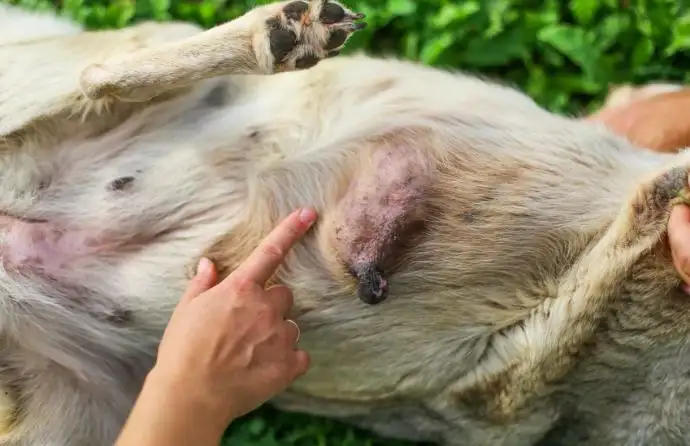
A proactive approach to pet health can foster a happier, more fulfilling life for both owner and pet. As responsible pet owners, it is essential to stay informed about the best practices for vaccination and preventive health care. This knowledge enables you to make informed choices that will safeguard your beloved companions. Lastly, as you read on, discover essential insights about safeguarding your furry friends through these informed choices and vaccinations, taking an active role in their journey toward a healthier and more vibrant life.
YOU MAY ALSO LIKE: Read read another article
Understanding Vaccinations: What Every Pet Owner Should Know
Vaccination is the first line of defense against many serious diseases that can affect pets. In Nigeria, where environmental factors may expose animals to pathogens, keeping vaccination schedules up to date is crucial. Every dog and cat should receive a series of vaccines at a young age to establish immunity and periodic boosters throughout their lives to maintain that immunity. Common vaccines for dogs include those for canine parvovirus, distemper, and rabies, while cats should be vaccinated against feline viral rhinotracheitis, calicivirus, and panleukopenia.
The vaccination process itself usually begins as early as six to eight weeks of age and is followed by a series of vaccinations until the pet reaches around 16 weeks. This timeline ensures that these young animals are protected when they are most vulnerable. Following the initial vaccine series, pets will require periodic boosters to keep their immunity strong. It is essential to consult with a veterinary professional to set up a proper vaccination schedule tailored to your pet’s specific needs.
The Risks of Not Vaccinating
Failing to vaccinate pets can lead to severe consequences, not just for the pets themselves but for the broader community as well. Unvaccinated pets can become infected and serve as carriers of diseases that could spread rapidly. Here are some of the risks associated with not vaccinating pets:
- Increased Mortality Rates: Infectious diseases can be fatal, particularly in young, old, or immunocompromised animals.
- Cost of Treatment: Treating a vaccine-preventable disease is often more expensive than routine vaccinations. Emergency veterinary care can escalate costs quickly.
- Public Health Risks: Diseases like rabies can transcend the pet population and pose a risk to human health, leading to more extensive public health interventions.
Equally important is understanding that vaccinations are not one-size-fits-all. Factors such as breed, age, lifestyle, and geographical location should influence the vaccination approach. For instance, certain breeds may be more susceptible to specific diseases, necessitating early intervention or additional vaccinations. Additionally, pets that frequently come into contact with other animals, perhaps in densely populated areas, may require more rigorous protection levels.
Preventive Care Beyond Vaccination
While vaccinations are imperative, comprehensive preventive care involves much more than just immunizations. Regular health check-ups can help in early detection of health issues, enabling timely and effective treatment. Pet owners should also consider other preventive measures such as:
- Parasite Control: Fleas, ticks, and worms can lead to serious health issues and should be regularly addressed.
- Nutrition: Providing a balanced and nutritious diet contributes significantly to overall health and disease prevention.
- Exercise and Mental Stimulation: Proper physical activity and mental engagement foster a stronger immune system.
Understanding the multifaceted approach to pet health enables owners to create a robust health protocol that encompasses vaccinations, regular vet visits, and preventive measures. By committing to these practices, pet owners can ensure a happier, healthier life, paving the way for vibrant companionship that lasts for years to come.
| Advantage | Description |
|---|---|
| Protection Against Diseases | Vaccinations act as a barrier against various life-threatening diseases, such as parvovirus and rabies, ensuring your pet’s well-being. |
| Community Health | Vaccinating pets not only protects them but also contributes to herd immunity, reducing the spread of infectious diseases in the pet population. |
Vaccination is a critical aspect of responsible pet ownership, as it enables pet owners to take an active role in fostering a healthier environment for their animals and the larger community. It is essential to recognize that many vaccinations require a scheduled series, as some immunity builds gradually over time. By adhering to veterinary recommendations, owners can help safeguard their pets from preventable diseases. Moreover, it’s important to stay vigilant against pests and parasites that can cause significant health issues for pets. Regular check-ups and preventive care, including flea and tick treatments and deworming, are crucial components of comprehensive pet health management. Being informed about the various vaccines available and the timing of vaccinations can empower pet owners to make proactive decisions about their pet’s health.In conclusion, education is key when it comes to understanding the need for vaccination and disease prevention in pets. By prioritizing these practices, owners can ensure a longer, healthier life for their beloved companions.
ADDITIONAL INSIGHTS: Expand your understanding here
The Role of Pet Owners in Disease Prevention
Pet owners play a crucial role in safeguarding the health of their furry companions, and this responsibility extends beyond just ensuring vaccinations are up to date. Active participation in preventive care practices can significantly reduce the risk of disease and improve the overall quality of life for pets. Engaging with veterinarians to tailor health plans specific to individual pets is vital. This encompasses not just vaccination schedules, but also understanding the fine intricacies of each pet’s health needs.
Recognizing Symptoms and Seeking Prompt Veterinary Care
A fundamental aspect of proactive pet care lies in identifying early signs of illness. Symptoms such as lethargy, changes in appetite, vomiting, diarrhea, or unusual behaviors can signal underlying health problems that require immediate attention from a veterinarian. Many diseases are much easier to treat when caught early. For instance, parvovirus can be fatal in dogs if not treated quickly, making awareness of its symptoms critical for owners.
Education about common diseases prevalent in Nigeria can empower owners. Some conditions, such as canine leptospirosis and feline infectious peritonitis, are more common in certain regions and should be included in preventive care discussions with veterinarians. Furthermore, owners should understand the possible exposure risks, such as proximity to stagnant waters or crowded areas where pet socialization occurs.
The Importance of Microchipping and Identification
In addition to routine care and vaccinations, microchipping is an essential component of pet safety and disease prevention. It serves as a permanent form of identification, increasing the chances of reuniting with a lost pet. Each year, many pets go missing due to various reasons, and microchipping significantly reduces the risk associated with this occurrence by ensuring that pets can be traced back to their owners. Additionally, having up-to-date identification tags can also help others return lost pets quickly, safeguarding against the possible health risks of straying and exposure to other animals.
Community Engagement and Advocacy
Pet owners should also embrace community engagement when it comes to vaccination and preventive care. Participating in local vaccination drives and health fairs not only supports the pet community but also fosters education about the importance of vaccination. In Nigeria, various non-profit organizations and veterinary services conduct vaccination campaigns aimed at mitigating outbreaks of diseases within pet populations. Conniving with these initiatives can lead to better education for other pet owners and contribute to a healthier community for pets and humans alike.
- Spaying and Neutering: This simple procedure not only prevents unwanted litters but also contributes to better overall health and longevity in pets, reducing the risk of certain cancers and infections.
- Travel Precautions: When traveling with pets, especially across regions, owners should familiarize themselves with vaccination requirements to prevent the spread of diseases.
Understanding and actively participating in every aspect of their pet’s health can equip owners with the knowledge needed to promote a comprehensive disease prevention strategy. Every pet deserves a proactive owner who is committed to ensuring their health, thereby allowing for vibrant lives filled with joy and companionship.
YOU MAY ALSO LIKE: Read read another article
Conclusion: Ensuring a Healthier Future for Our Pets
The journey towards a healthier life for our pets begins with understanding the importance of vaccination and disease prevention. As pet owners, our active involvement is crucial not just in administering vaccines, but also in recognizing symptoms of illness early on and seeking prompt veterinary care. The knowledge of prevalent diseases in Nigeria, such as canine leptospirosis and feline infectious peritonitis, empowers us to advocate for our pets effectively and make informed decisions about their health.
Moreover, practices such as microchipping and engaging in community health initiatives can create a safer environment for our pets, reducing the risks associated with straying or potential outbreaks. Participating in local vaccination drives not only showcases individual responsibility but also fosters a sense of community, helping to educate fellow pet owners and creating a ripple effect of knowledge critical in combating diseases.
Ultimately, every pet deserves a vigilant owner who is dedicated to their well-being. Through consistent preventive measures and continuous education, we can ensure that our pets lead healthier, longer lives filled with love and companionship. Stay informed, stay involved, and let’s champion the health of our beloved pets together, paving the way for a happier and healthier future. For every wagging tail and purring cat, the impact of our actions today can forge a legacy of wellness for generations to come.
Related posts:
The importance of healthy eating for dogs and cats: Tips for a balanced diet
Essential Care for Pets' Dental Health: How to Keep Animals' Teeth Clean and Healthy
Tips for Preventive Care for Pet Dental Health
How to Create a Safe and Healthy Environment for Pets at Home
The importance of regular physical activity for pet health
The importance of regular hygiene for pets' health: Bathing routines and nail care

Beatriz Johnson is a seasoned pet care expert and writer with a passion for simplifying the complexities of animal health and responsible pet ownership. With over a decade of experience in the pet industry, she specializes in topics like pet nutrition, behavior training, and wellness strategies. Through her work on our website, Beatriz empowers pet owners to make informed decisions and ensure their furry companions live happy, healthy, and fulfilling lives.