
Responsibilities of Pet Ownership
Adopting a pet can fill your life with joy and companionship, but it also brings with it a myriad of responsibilities that must not be overlooked. Among these responsibilities, sterilization and vaccination are critical to ensuring the long-term health and wellbeing of animals. In Nigeria, where the number of stray animals is alarmingly high, the implementation of these practices is paramount in fostering responsible pet ownership and creating a safer community for both animals and humans.
Why Sterilization Matters
- Population Control: One of the most pressing challenges in Nigeria is the overpopulation of stray dogs and cats. Sterilization, which includes spaying females and neutering males, plays an essential role in managing this issue. By preventing unwanted litters, we can take significant steps towards curbing the stray animal population.
- Health Benefits: Sterilization is not merely a question of population control; it also has profound health benefits for pets. For instance, spaying female dogs reduces their risk of developing mammary tumors and eliminates the possibility of ovarian and uterine cancers. Similarly, neutering male dogs can prevent testicular cancer and reduce the risk of prostate issues.
- Behavior Management: Pets that are sterilized often exhibit more desirable behavioral traits. Unaltered animals may display aggressive tendencies or excessive roaming, seeking out mates. Sterilization can help instill a calmer demeanor, making pets more manageable and enjoyable companions in the home environment.
The Role of Vaccination
- Preventing Disease: Vaccination is a crucial line of defense against serious diseases that can affect pets, many of which are prevalent in Nigeria. For example, rabies, which is often fatal and can be transmitted to humans, is a significant concern. Vaccinating pets not only protects them but also safeguards the human population from zoonotic diseases.
- Community Safety: A community with a higher percentage of vaccinated pets experiences a reduction in the incidence of diseases that can spread from animals to humans. For instance, parvovirus and distemper are contagious diseases that can wreak havoc on local dog populations, but widespread vaccination can halt their spread, ensuring a healthier community.
- Long-term Savings: The financial implications of caring for a pet can be daunting. By avoiding costly treatments associated with preventable diseases through vaccinations, pet owners can save substantial amounts of money in the long run. Investing in vaccinations is an economically sensible choice for responsible pet ownership.
By emphasizing the importance of sterilization and vaccination, pet owners in Nigeria can not only improve the lives of their pets but also contribute to the overall health of their communities. The path to responsible pet ownership begins with making informed decisions about these crucial practices, thereby ensuring a brighter and healthier future for both pets and their human companions. It is essential for individuals to research and consult veterinarians to get the best advice tailored to their unique circumstances. Taking these proactive steps will foster a culture of care and responsibility that benefits all.
CHECK OUT: Click here to explore more
Understanding the Impact of Sterilization and Vaccination
The adoption of pets is a heartwarming decision that transforms lives, yet it carries with it the weight of important choices that directly affect not only the pets themselves but also the community at large. In Nigeria, a nation grappling with a high number of stray animals, the consequences of neglecting sterilization and vaccination can be profound and far-reaching.
Empowering Pet Owners through Sterilization
Sterilization goes beyond simply preventing unwanted litters; it is an act of responsible pet ownership that empowers individuals and communities alike. When pet owners choose to spay or neuter their animals, they contribute to a long-term solution for managing the rising population of strays. The implications of this decision are multifaceted:
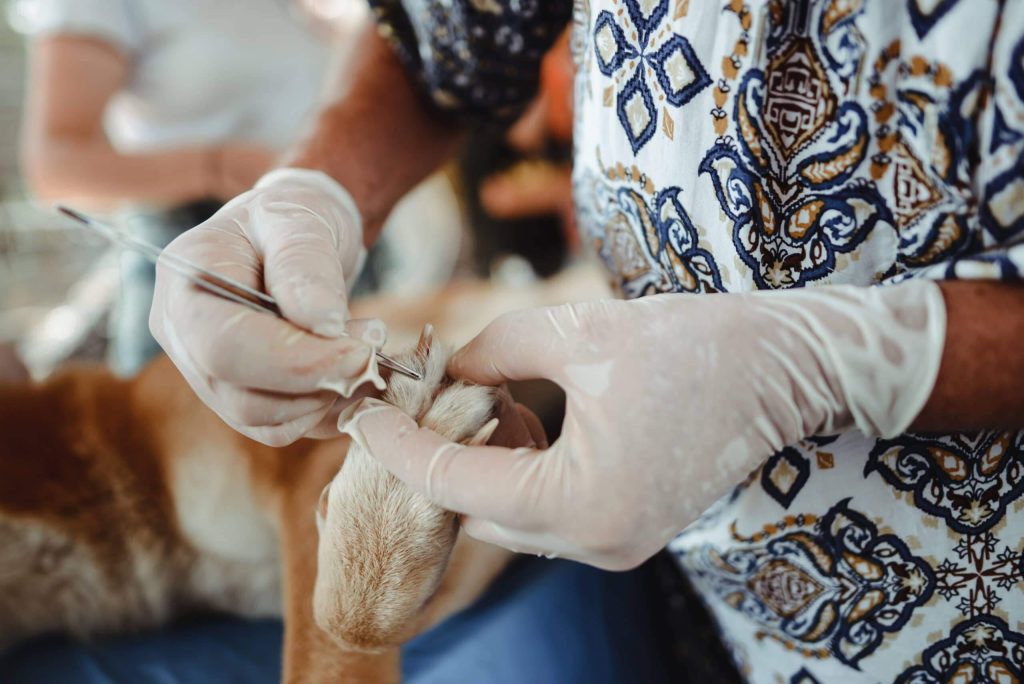
- Reducing Stray Animals: The overpopulation of stray dogs and cats in cities like Lagos and Abuja leads to numerous societal problems, including the spread of diseases and increased accidents. Sterilization can drastically diminish the number of animals born onto the streets, curbing this growing crisis.
- Enhancing Pet Health: Statistics from veterinary studies affirm that sterilized pets tend to be healthier. The risk of certain cancers and illnesses is significantly lowered. This investment in health can lead to a longer, happier life for pets, which is a core aspect of responsible ownership.
- Improving Behavioral Traits: Unfixed pets often display behaviors stemming from the desire to mate—these include marking territory or aggressive tendencies. Sterilization can help minimize these behaviors, promoting a more harmonious living environment within households.
Vaccination: A Crucial Defense Against Disease
Vaccination stands as another pillar of responsible pet ownership, particularly in a country like Nigeria, where pets are at risk of numerous infectious diseases. Vaccines serve as a frontline defense, protecting not only the animals but the broader community:
- Combatting Zoonotic Diseases: Diseases such as rabies pose a serious threat, and their prevalence in Nigeria cannot be ignored. The vaccination of pets is essential to mitigate this risk, safeguarding both animal and human populations from potentially fatal outcomes.
- Fostering Community Health: A well-vaccinated pet population leads to a decrease in outbreaks of diseases like parvovirus and distemper, which can affect groups of animals within neighborhoods. A healthier pet community contributes to a safer environment for families and children.
- Cost-Effective Measures: While vaccinations may seem like an upfront expense, they are significantly less costly than treating serious health problems that arise from preventable diseases. Thus, vaccination is not just a health measure but an economic one that benefits pet owners in the long run.
In sum, the implementation of sterilization and vaccination is not solely an individual responsibility but a collective effort. By recognizing the significance of these practices, pet owners in Nigeria can play a critical role in nurturing healthier pets and fostering a safer, more compassionate environment. Understanding the profound benefits linked to both sterilization and vaccination can instigate a movement towards responsible pet ownership, ultimately enriching lives on a community level.
| Benefits of Vaccination | Impact on Community Health |
|---|---|
| Prevention of Disease | Vaccination protects not only adopted pets but the entire pet community from outbreaks. |
| Longer Lifespan | Healthy pets lead to healthier families, reducing visits to the veterinarian. |
| Reduced Vet Bills | Preventative care saves money in the long run, benefiting pet owners financially. |
| Advantages of Sterilization | Benefits to Society |
|---|---|
| Population Control | Helps in controlling stray animal populations, reducing overpopulation issues. |
| Health Benefits | Decreases the risk of certain cancers in pets, leading to better quality of life. |
| Behavioral Improvements | Often leads to calmer, more manageable pets, enhancing relationships with owners. |
In Nigeria, the importance of sterilization and vaccination for adopted pets cannot be overstated. These procedures significantly contribute to healthier, more stable households and are crucial for addressing the challenges posed by pet overpopulation and zoonotic diseases. With the alarming rise of stray animals and pet diseases, encouraging a culture of responsible pet ownership through education about sterilization and vaccination is essential. The ripple effect of these actions leads to improved community well-being, as both human and animal health improve collectively. Thus, as Nigeria faces the pressing need to adopt and care for pets responsibly, understanding these aspects becomes vital for fostering a safe and nurturing environment for all.
ADDITIONAL INSIGHTS: Expand your understanding here
Creating a Culture of Responsible Pet Ownership
As the number of pet adoptions enlivens households across Nigeria, fostering a culture of responsibility and stewardship is essential for the sustenance of animal welfare. Sterilization and vaccination practices must be woven into the very fabric of pet ownership, empowering individuals to take initiative in the health and well-being of their animals while addressing broader community challenges.
The Role of Education in Promoting Responsible Practices
Awareness is the first step toward action. Initiatives led by local non-governmental organizations (NGOs) and animal welfare groups play a vital role in educating potential and current pet owners on the significance of sterilization and vaccination. Workshops and outreach programs that highlight:
- Misconceptions: Many people harbor myths surrounding sterilization, thinking it is unnecessary or harmful. This education combats myths with facts, informing owners how these procedures contribute to healthier and more stable animal populations.
- Health Information: Educational resources disseminating information on local disease prevalence, such as rabies and parvovirus, encourage owners to take a proactive stance on vaccination, emphasizing that preventing disease is critical to reducing overall medical costs.
Additionally, engaging community leaders in these efforts can enhance the effectiveness of educational campaigns, spreading the message through well-respected local voices that resonate with communities.
Accessibility and Availability of Services
Another crucial aspect of promoting sterilization and vaccination is ensuring that services are accessible and affordable. Communities in Nigeria can benefit from:
- Mobile Clinics: Establishing mobile veterinary clinics can substantially increase the availability of sterilization and vaccination services, especially in rural areas where such resources are often limited. These clinics would empower pet owners by bringing essential services directly to their neighborhoods.
- Subsidized Programs: Collaborations between government bodies and animal welfare organizations can lead to subsidized spay and neuter programs, making sterilization affordable for lower-income households. This alleviates financial burdens and encourages more owners to take responsible actions.
Encouraging Community Involvement
Community-driven initiatives can elevate the standards of pet ownership across Nigeria. Events such as pet fairs or vaccination drives promote mass participation, creating a shared sense of responsibility. These events can highlight
- Success Stories: Showcasing local heroes who have adopted and cared for pets responsibly reinforces positive behavior and serves as an inspiration for others.
- Partnerships for Increased Impact: Collaboration among schools, local governments, and veterinary clinics can create comprehensive programs that encompass education, service delivery, and community outreach, further amplifying the benefits of sterilization and vaccination.
Through strategic education, collaboration, and community engagement, Nigeria can cultivate a culture of responsible pet ownership that intertwines sterilization and vaccination as essential components. By embracing these measures, the country not only enhances the lives of adopted pets but also fortifies the health and safety of the broader community. Strong advocacy and a concerted effort to promote these practices can ultimately bridge gaps in understanding and execute a significant shift in public perception regarding the welfare of animals in Nigeria.
ADDITIONAL INSIGHTS: Expand your understanding here
Conclusion
In summation, the importance of sterilization and vaccination for adopted pets in Nigeria cannot be overstated. As pet adoption continues to rise, addressing the health and welfare of these animals is not just an act of kindness, but a community imperative. By embracing sterilization, we mitigate the prevalence of unwanted litters and reduce the strain on already stretched resources in animal shelters. Moreover, vaccination stands as a formidable barrier against infectious diseases, safeguarding not only the adopted pets but also ensuring the overall health of the local population.
However, the journey towards responsible pet ownership is collective; it involves educating current and future pet owners about the benefits and necessity of these practices. Engaging communities, increasing access to veterinary services, and dismantling misconceptions through targeted education will cultivate a more informed populace. It is essential that local governments, NGOs, and individual citizens come together to advocate for affordable and accessible sterilization and vaccination programs across all regions, especially those where resources are limited.
As Nigeria strides toward a future filled with more humane and responsible pet ownership, we must foster a deep-seated culture that prioritizes animal welfare, understanding that a healthy pet contributes to a healthy community. The integration of sterilization and vaccination into the ethos of pet care will not only enhance the quality of life for adopted animals but will also create a ripple effect of positive change that touches every aspect of the Nigerian community. Ultimately, a robust commitment towards these practices points to a brighter future where both pets and people thrive together.
Related posts:
Online Resources for Animal Adoption: Platforms and Communities in Nigeria
The Importance of Responsible Adoption: How to Prepare Your Home for a New Pet
Success Stories: Pet Adoption in Nigeria and Their New Homes
Tips for Financing Pet Adoption: How to Handle Unexpected Costs in Nigeria
Pet Adoption: What to Expect During the Process
Guide for New Adopters: What to Consider Before Bringing a Pet Home

Beatriz Johnson is a seasoned pet care expert and writer with a passion for simplifying the complexities of animal health and responsible pet ownership. With over a decade of experience in the pet industry, she specializes in topics like pet nutrition, behavior training, and wellness strategies. Through her work on our website, Beatriz empowers pet owners to make informed decisions and ensure their furry companions live happy, healthy, and fulfilling lives.