
Understanding the Role of Socialization for Urban Pets
In bustling urban settings, pets often face unique challenges that can affect their well-being. The need for socialization is critical, as it helps them adapt to the fast-paced lifestyle around them. Awareness of this importance can lead to happier, healthier pets.
Why Socialization Matters
Urban pets are frequently exposed to diverse stimuli and environments. This can include a wide range of experiences such as:
- Varied sounds from traffic and construction, which can be startling to unaccustomed pets.
- Interactions with different people and animals, presenting both opportunities and potential challenges.
- Unpredictable situations, such as crowded parks or street markets, where sudden movements and loud noises are common.
In a metropolis like Lagos, the cacophony of honking cars, the clatter of construction sites, and the laughter or chatter of city dwellers create a sensory overload. For pets that are not regularly exposed to these stimuli, it can be overwhelming, leading to anxiety, fear, or behaviors such as excessive barking or withdrawal. Without proper socialization, many pets may struggle, feeling uncertain in an ever-changing urban landscape.
Benefits of Socialization
Socialization enriches pets’ lives, providing multiple benefits that significantly enhance their quality of life. These benefits include:
- Improved adaptability to new environments, allowing pets to feel more comfortable during neighborhood strolls or visits to friends’ homes.
- A reduction in fear-based behaviors, which can manifest as aggression or timidity. For instance, a well-socialized dog is less likely to react negatively to the sights and sounds of a busy market.
- Enhanced opportunities for play and exercise, as socialized pets are more likely to engage with other animals during outings, making playdates feasible.
In a city like Lagos, where pets often navigate bustling markets, busy sidewalks, and crowded parks, understanding the socialization process is paramount. Dogs that have been properly socialized are more likely to enjoy their walks and understand how to behave around other animals and people. Similarly, cats, though less commonly exposed to the outside world, benefit from experiences that reduce their inherent skittishness.
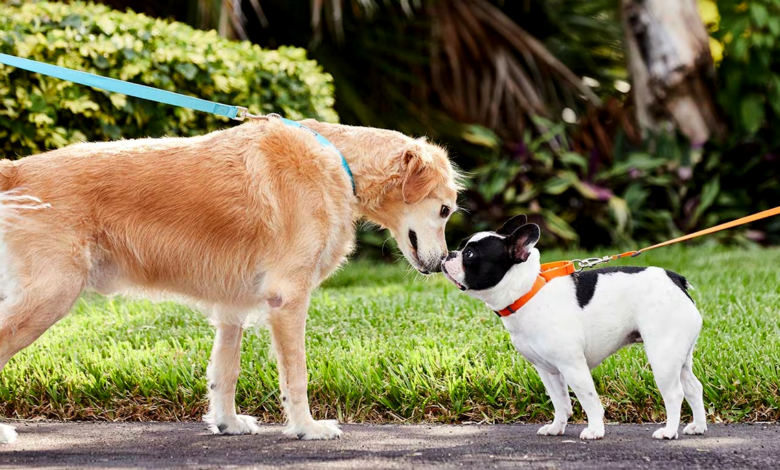
One effective way to foster socialization is to enroll pets in training classes that cater to their needs. Group classes not only teach obedience but also facilitate interactions with other animals in a controlled environment. Community parks can also serve as vibrant venues for socializing, filled with opportunities to meet friendly neighbors and their furry companions.
Ultimately, embracing socialization as a core aspect of pet care in urban Nigeria can lead to more balanced behaviors and a richer life for our beloved animal companions. By investing time in their social development, we enable them to flourish amidst the vibrant tapestry of city life.
ADDITIONAL INSIGHTS: Expand your understanding here
Challenges Faced by Urban Pets
The urban landscape presents a myriad of challenges for pets that can affect both their behavior and overall well-being. In cities like Lagos, where population density adds to the chaotic environment, the need for effective socialization becomes ever more prominent. Pets are constantly exposed to new encounters, and without the benefit of the right social experiences, these interactions might lead to anxiety and behavioral issues.
Negative Impacts of Insufficient Socialization
For many urban pets, the fast-paced and bustling surroundings can be disorienting. Some common issues that arise due to insufficient socialization include:
- Heightened anxiety, which can manifest in fearful behaviors, such as hiding or cowering when exposed to new sights or sounds.
- Increased aggression towards other pets and humans, often stemming from a lack of familiarity with diverse interactions.
- Difficulty adapting to everyday activities, like car rides or visits to public spaces, which can be critical for city living.
A dog that is not accustomed to the rumble of public transport or the hustle and bustle of a market may exhibit fearful reactions, making trips stressful for both the pet and the owner. Similarly, cats kept indoors for extended periods may develop heightened anxiety when exposed to the outside world, which is rife with unfamiliar sounds and creatures.
Socialization Strategies for Urban Pets
Fortunately, there are numerous strategies pet owners can employ to ensure their pets are well-socialized and prepared for urban living. These include:
- Regular exposure to various environments, such as parks and pet-friendly shops, to help pets acclimate to different sights and sounds.
- Using controlled meet-ups with other pets to help reduce fear and foster positive interactions with other animals.
- Positive reinforcement training to reward calm and friendly behavior during new experiences, making these encounters enjoyable for pets.
Many local communities in Nigeria offer pet training sessions or social events where pet owners can safely bring their animals to interact with others. Engaging in these activities not only builds your pet’s confidence but also helps them to embrace the urban lifestyle. Moreover, it promotes a sense of community among pet owners, strengthening bonds and sharing experiences.
Understanding the importance of socialization is crucial for pet owners in urban areas. By focusing on enriching their pets’ lives through regular and varied interactions, owners can foster healthier, happier, and more well-adjusted animals that can thrive in the vibrant and dynamic urban setting.
| Category | Details |
|---|---|
| Increased Confidence | Socialized pets exhibit greater confidence in their surroundings, reducing anxiety levels when encountering unfamiliar situations. |
| Enhanced Behavior | Regular interactions lead to better behavior, making pets less likely to exhibit aggression or fear responses in urban areas. |
Urban environments present unique challenges for pets, especially when it comes to socialization. In these bustling landscapes, animals often encounter a variety of stimuli such as noise, crowds, and other pets. Socialization is not just about exposure; it’s about teaching pets to adapt and thrive in these settings. Taking pets to dog parks or engaging in organized playdates can be pivotal in shaping their interactions and reactions.Furthermore, socialization directly impacts the wellbeing of pets. Pets with robust social skills are less prone to anxiety and fear-based behaviors, allowing them to enjoy more activities outside the home. This connection to their environment can enhance their overall quality of life, encouraging an active lifestyle that is vital for physical health. For urban pet owners, creating opportunities for their pets to socialize is crucial. Enrolling them in training classes, attending pet-friendly events, or simply taking daily walks where they can meet and interact with others will strengthen their adaptability. Thus, understanding the importance of socialization in urban settings not only enhances the dog’s experience but also improves the bond between the pet and owner.
YOU MAY ALSO LIKE: Read read another article
The Role of Socialization in Behavioral Development
Socialization isn’t just a buzzword in the pet care industry; it is a crucial element in shaping a pet’s behavior and mental health. For urban pets, socialization can significantly impact their adaptability, allowing them to thrive in environments that may initially be overwhelming. Engaging with a variety of stimuli offers pets the chance to learn and develop coping strategies that are essential for survival and comfort in a bustling city.
Building Confidence Through Exposure
Exposure to new experiences and environments can greatly enhance a pet’s confidence. For instance, dogs that participate in well-structured socialization classes displayed notable decreases in anxiety and an increase in sociable behaviors. According to a study published in the Journal of Veterinary Behavior, pets exposed to different sounds, sights, and smells during their early developmental stages are more likely to adapt positively to urban life. This is especially relevant in Nigeria, where traditional markets and busy streets present a unique collection of intense sights and sounds.
The benefits of socialization extend beyond mere adaptability. For example, pets that experience varied environments are less likely to develop fear-based behavioral issues, leading to a smoother process when transitioning into a new home or a public setting. This is particularly important for urban pets that frequently encounter other animals, unfamiliar people, and busy traffic.
The Effects of Isolation on Mental Health
Conversely, isolation can have detrimental effects on a pet’s mental health. Studies have shown that pets deprived of social interaction often develop behavioral abnormalities, such as excessive barking, destructive tendencies, and withdrawal. For pets living in urban environments, where social interactions are plentiful yet unpredictable, these reactions can create a vicious cycle. Their anxiety may lead to aggressive behavior, which may result in further isolation from other pets and humans.
Moreover, the effects of isolation are different for various species. For example, dogs are naturally pack animals and thrive on companionship and social interaction. When deprived, they may exhibit signs of separation anxiety, such as barking or chewing furniture. On the other hand, while cats are often considered solitary creatures, they also benefit from socialization, particularly in a vibrant urban setting. Cats that do not engage with their environment may develop stress or exhibit lethargic behaviors.
Community Engagement as a Socialization Tool
For pet owners in Nigeria, community engagement can play a significant role in promoting socialization. Local parks and pet-friendly areas not only provide spaces for pets to interact, but also allow pet owners to connect and share experiences. Participating in community events tailored for pets—such as dog walks, adoption events, or pet fairs—creates opportunities for pets to engage with others in a safe and supervised environment. Furthermore, these gatherings can serve as excellent avenues for educational opportunities on how to manage pet behavior and foster healthy social interactions.
In shaping a pet’s evolution, recognizing the role of socialization in urban environments is paramount. By actively pursuing opportunities for social interactions and exposing pets to diverse situations, owners can effectively enhance their pets’ well-being and equip them with the necessary skills to navigate the complexities of urban living.
RECOMMENDED: Check out this similar article
Conclusion: Nurturing Urban Pets Through Socialization
In conclusion, the importance of socialization for pets in urban environments cannot be overstated. As Nigeria’s vibrant cities bustle with activity, pets must be equipped to handle a multitude of experiences that come with urban living. Socialization serves as a fundamental pillar for pets’ behavioral health, providing a pathway to build confidence and resilience amidst the myriad of stimuli they encounter daily.
Moreover, fostering positive interactions with other animals and humans significantly reduces the risk of anxiety and fear-based behaviors, which are common pitfalls in densely populated environments. Regular exposure to diverse settings enhances adaptability, ensuring that pets not only survive but thrive in urban life.
This necessitates a collaborative effort from pet owners to create opportunities for social engagement. By participating in local events or utilizing community resources, pet owners can significantly enrich their pets’ lives while forming vital networks for support and knowledge-sharing. The skills learned during these interactions become invaluable, influencing a pet’s long-term happiness and integration into the urban fabric.
As the urban landscape continues to evolve, prioritizing socialization in our pets is essential for their mental and emotional well-being. With a proactive approach to socialization, pet owners can contribute to a healthier, happier urban pet population, benefiting both animals and the communities they inhabit. Understanding that socialization is not merely an optional activity, but a crucial aspect of responsible pet ownership, will pave the way for a future where our beloved pets can navigate city life with joy and confidence.
Related posts:
Tips for Creating a Safe and Stimulating Environment for Pets at Home
How to Prepare Your Pet for Car Travel in Nigeria
Essential Nutritional Care for Dogs and Cats in Nigeria
Tips for Creating a Safe and Comfortable Environment for Your Pet at Home
How to Choose Appropriate Toys for Different Pet Species
How to Identify Signs of Stress in Pets and How to Alleviate It

Beatriz Johnson is a seasoned pet care expert and writer with a passion for simplifying the complexities of animal health and responsible pet ownership. With over a decade of experience in the pet industry, she specializes in topics like pet nutrition, behavior training, and wellness strategies. Through her work on our website, Beatriz empowers pet owners to make informed decisions and ensure their furry companions live happy, healthy, and fulfilling lives.