
Benefits of Homemade Meals for Pets
As the trend of homemade meals gains traction among pet owners, the advantages of preparing personalized dishes for our furry companions are becoming increasingly clear. Beyond granting you control over the ingredients in your pet’s diet, homemade meals significantly boost the nutritional quality of their food. This process ensures that your pet receives only the freshest, wholesome ingredients that cater to their unique dietary needs.
Ingredient Selection
Choosing the right ingredients is crucial when it comes to preparing nutritious meals for pets. It’s essential to select fresh fruits, vegetables, and proteins that are safe and beneficial for your animal. For instance, in Nigeria, local staples such as sweet potatoes, carrots, and high-quality poultry provide an excellent source of vitamins while being palatable for pets. You might also consider incorporating fish, such as mackerel or tilapia, which are rich in omega-3 fatty acids to promote shiny fur and healthy skin.
Portion Control
Another important aspect of feeding pets at home is understanding portion control. Proper portion sizes depend on your pet’s age, weight, and activity level. For instance, a young dog who is energetic may require more calories than an older, less active dog. Consulting with a veterinarian can help you establish a balanced eating regimen tailored to your pet’s specific needs. For example, a medium-sized dog may consume approximately 1.5 to 2 cups of food daily, divided into meals.
Cooking Methods
When preparing meals, the cooking method significantly impacts the nutritional integrity of the food. Using safe cooking techniques like steaming, boiling, or baking helps retain the essential nutrients in the ingredients. Avoid methods that require excessive oil or seasoning, as these can be harmful to pets. A simple recipe might involve boiling brown rice, adding steamed vegetables like green beans or spinach, and incorporating lean, shredded chicken—a combination that is not only nutritious but also delightful for your pet.
Local Ingredients for Balanced Meals
In the diverse culinary landscape of Nigeria, many local foods can be transformed into satisfying pet meals. For instance, rice and beans serve as excellent carbohydrate sources, while also being budget-friendly. Combining these staples with locally sourced meat can create a balanced diet. Additionally, offering occasional treats like ripe bananas or diced apple can provide your pet with natural sweets that are both nutritious and enjoyable.
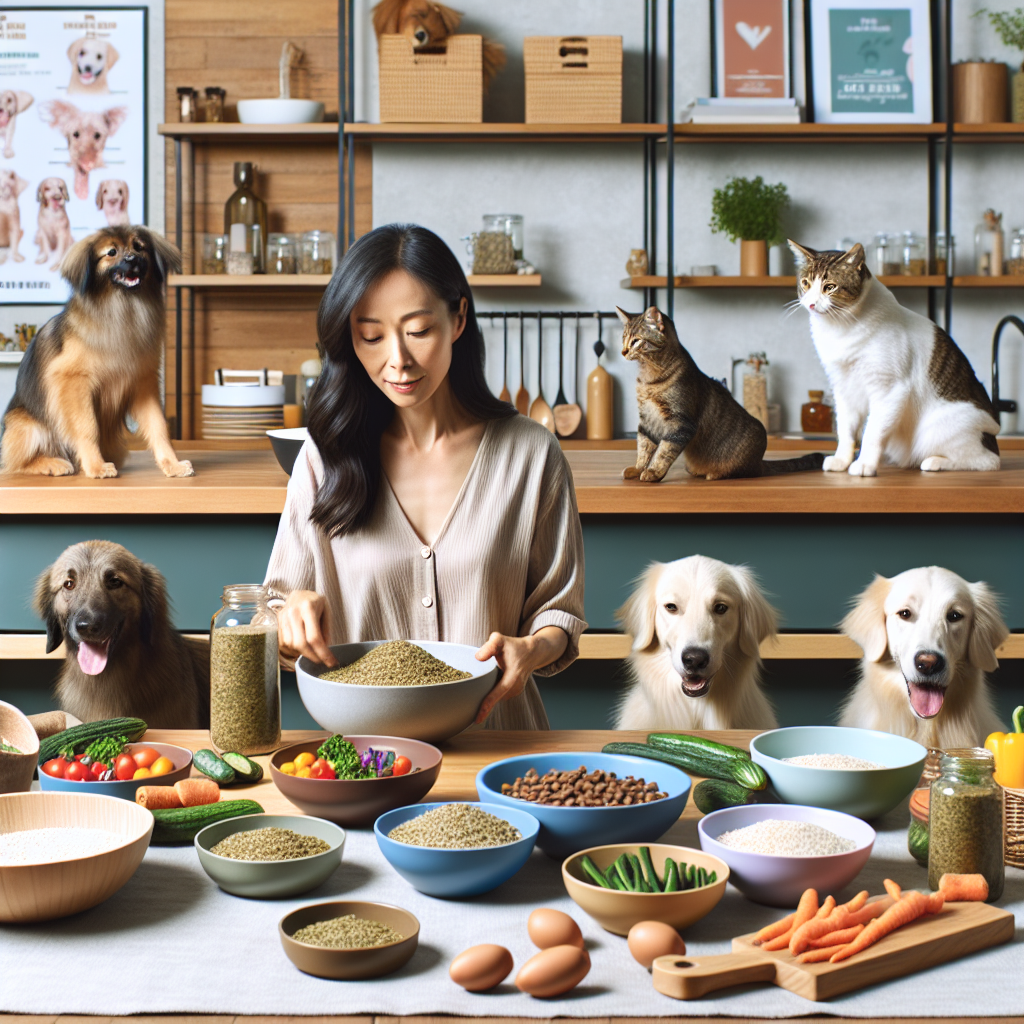
Strengthening the Pet-Human Bond
By embarking on this culinary journey for your pet, you aren’t just providing them with food; you are enhancing your bond through careful preparation and shared meals. Pets thrive on routine, and sharing homemade dishes at designated meal times can help reinforce their sense of security. The joy of watching your pet savor a meal that you’ve lovingly prepared can be immensely rewarding.
With the right knowledge and resources, you can craft safe and nutritious meals specifically designed to meet your pet’s dietary needs. Embrace the opportunity to explore and experiment with various recipes, ensuring that each meal is not just sustenance but a delicious expression of love for your cherished companion.
RECOMMENDED: Check out this similar article
Practical Tips for Crafting Safe and Nutritious Meals
Preparing homemade meals for your pets can seem like a daunting task, but with the right approach, it can be a rewarding experience for both you and your furry friend. Here are some practical tips to ensure that the meals you create are not only safe but also packed with essential nutrients.
Understand Nutritional Needs
The first step in preparing safe and nutritious homemade meals is to understand your pet’s specific nutritional requirements. Just like humans, pets require a balanced diet consisting of proteins, carbohydrates, fats, vitamins, and minerals. Each pet is unique, so it’s key to consider their breed, age, size, and health condition. For instance:
- Dogs: Require a higher amount of protein from sources like chicken, beef, or fish.
- Cats: Are obligate carnivores and need protein-rich diets with minimal carbohydrates.
- Small Pets: Rabbits and guinea pigs thrive on fibrous vegetables and hay.
Working with a veterinarian can help you determine the right proportion of nutrients, which can vary greatly from one species to another. This foundational knowledge will guide you in making better food choices.
Avoid Harmful Foods
It is imperative to be aware of foods that are toxic to pets. Many common ingredients found in kitchens may be harmful, leading to serious health problems. Some foods to avoid include:
- Chocolate: Contains theobromine, which is poisonous to dogs and cats.
- Onions and Garlic: Can damage red blood cells, leading to anemia.
- Avocado: Contains persin, which can cause vomiting and diarrhea in pets.
- Grapes and Raisins: Have been linked to kidney failure in dogs.
By familiarizing yourself with these foods, you can ensure that each meal is not just delicious but also safe for your pet. If you’re ever in doubt about a certain ingredient, it’s better to check or consult a vet.
Quality Over Quantity
When it comes to selecting ingredients, aim for quality. Always choose fresh, organic produce and high-quality proteins. This is particularly vital in a country like Nigeria, where local markets offer a variety of fresh vegetables and meats. Ingredients such as yam, plantains, and locally sourced meats can elevate your pet’s meals without breaking the bank. Incorporating diverse ingredients not only enhances flavor but also provides a broader range of nutrients.
Moreover, when purchasing meats or fish, look for options that are free from antibiotics and hormones to ensure that your pet is getting the best nutrition possible.
Homemade pet meals can be a labor of love that enriches your animal’s life while providing you with peace of mind about what they are consuming. Armed with these tips, you are one step closer to preparing meals that are not only safe but also nutritious for your beloved pet.
| Advantage | Details |
|---|---|
| Control Over Ingredients | Pet owners can select high-quality, fresh ingredients, eliminating harmful additives. |
| Personalized Nutrition | Homemade meals can be tailored to meet specific dietary needs, ensuring balanced nutrition. |
| Cost-Effectiveness | Making meals at home can reduce costs compared to premium commercial pet foods. |
| Improved Digestive Health | Fresh, wholesome ingredients can enhance digestion and overall gut health. |
The first major advantage of preparing homemade meals is the control over ingredients. Pet owners can consciously choose fresh, wholesome components while avoiding unnecessary fillers and preservatives commonly found in commercial pet foods. This direct involvement fosters a deeper relationship with your pet’s dietary choices. Moreover, personalized nutrition becomes accessible as owners can easily cater to specific health requirements or food allergies. Another significant factor is cost-effectiveness; making nutritious meals at home can be more economical than purchasing high-end pet foods. Additionally, improved digestive health often accompanies a diet of fresh ingredients, directly impacting your pet’s well-being and mood. By understanding these advantages, pet owners are motivated to explore practical tips for creating balanced meals that keep their furry friends healthy and happy.
ADDITIONAL INSIGHTS: Expand your understanding here
Incorporating Variety for a Balanced Diet
Once you’ve grasped your pet’s nutritional needs and identified harmful foods, it’s time to delve into meal creation. A key element is variety; incorporating different ingredients can prevent boredom while ensuring a comprehensive nutrient profile. This principle applies to both dogs and cats, as they thrive on diverse diets that mimic their natural feeding habits.
Introduce Whole Grains and Vegetables
Along with proteins, don’t forget to include whole grains and vegetables in your pet’s diet. For dogs, grains like brown rice, oats, or quinoa provide essential carbohydrates and fiber, fostering good digestive health. Cats, while less reliant on grains, can still benefit from small amounts of cooked whole grains for added nutrients. Examples of safe vegetables include:
- Carrots: High in beta-carotene
- Green beans: Rich in vitamins A, C, and K
- Peas: A good source of protein and fiber
- Sweet potatoes: Packed with vitamins B6 and C, as well as fiber
Incorporating these elements can create hearty meals that meet your pet’s dietary needs and keep them satisfied.
Practice Safe Cooking Techniques
As you venture into preparing your pets’ meals, adhere to proper cooking practices. Just like for human food, make sure that all ingredients are well-washed and appropriately cooked. Raw ingredients can harbor bacteria, and certain foods may need to be cooked to eliminate potentially harmful toxins. For instance, always cook potatoes before serving, as raw potatoes contain solanine, a toxic compound. Additionally:
- Ensure that meats are cooked thoroughly to prevent any risk of parasites and bacteria.
- Always finely chop or cook vegetables to enhance digestibility.
- Use non-toxic oils, such as olive or coconut oil, in moderation to help with nutrient absorption.
These simple practices not only contribute to the safety of your pet’s meals but also enhance the flavors and textures that they will enjoy.
Portion Control and Meal Frequency
Understanding portion control is essential in homemade pet meals. Overfeeding can lead to obesity and other health issues, while underfeeding might not provide adequate nutrients. The right portions depend on your pet’s age, size, and energy levels. For instance, younger pets might require more frequent meals to support their growth, while adult pets might thrive on two meals a day. Consider using the following guidelines:
- Small Breeds: Approximately ½ to 1 cup of food daily
- Medium Breeds: 1 to 2 cups of food daily
- Large Breeds: 2 to 4 cups of food daily
Remember, measuring portions can help in maintaining consistency in their diets. It is also beneficial to monitor your pet’s weight and adjust portions accordingly to maintain an optimal body condition.
Preventing Food Waste
Lastly, as a pet owner who is mindful of both nutrition and practicalities, it’s crucial to think about food waste. Leftover ingredients from your own meals can often be repurposed for homemade pet food. For example, leftover cooked pumpkin or steamed vegetables can be mixed into a pet’s meal, ensuring that nothing goes uneaten and enhancing the nutrition without additional cost.
With these strategies in mind, you can pave the way toward creating healthy and delightful meals that will keep your pets happy, healthy, and well-nourished. Happy cooking!
YOU MAY ALSO LIKE: Read read another article
Final Thoughts on Preparing Nutritious Homemade Meals for Your Pets
As responsible pet owners, ensuring our furry friends receive safe and nutritious homemade meals is a fundamental part of their care. By understanding their nutritional needs and the harmful foods to avoid, we can create appealing and healthful diets that promote overall wellbeing. Incorporating a variety of ingredients, particularly whole grains and vegetables, not only adds essential nutrients but also keeps mealtime interesting for our pets.
Moreover, by practicing effective cooking techniques, such as thoroughly washing and properly cooking ingredients, we can eliminate potential health risks, thereby enhancing our pets’ dining experiences. Portion control remains crucial—balancing the right amounts will prevent obesity and malnutrition, contributing to a longer, healthier life for our beloved pets.
Lastly, embracing the idea of repurposing leftover ingredients not only reduces food waste but also encourages creativity in meal preparation. As you embark on this culinary journey for your pets, remember that every meal is an opportunity to bond with them and provide the nourishment they deserve.
Incorporating these practical tips will pave the way for healthier and happier pets. By dedicating time to learn and experiment, you’re investing in their health and happiness. Happy cooking, and may your adventures in homemade pet meals lead to tasty discoveries that both you and your pets will cherish!
Related posts:
How Proper Nutrition Can Prevent Common Diseases in Cats
Nutritional Supplements: When and How to Use Them in Pet Diets
The Benefits of Wet Food for the Health of Pets
The Importance of Balanced Nutrition for the Health of Purebred Dogs
The Relationship between Nutrition and Oral Health in Pets
Natural Feeding vs. Commercial Food: What is Better for Your Pet?

Beatriz Johnson is a seasoned pet care expert and writer with a passion for simplifying the complexities of animal health and responsible pet ownership. With over a decade of experience in the pet industry, she specializes in topics like pet nutrition, behavior training, and wellness strategies. Through her work on our website, Beatriz empowers pet owners to make informed decisions and ensure their furry companions live happy, healthy, and fulfilling lives.