Intergenerational Puzzle Games: Bridging Memory Skills Across Ages
The Impact of Intergenerational Play on Family Dynamics
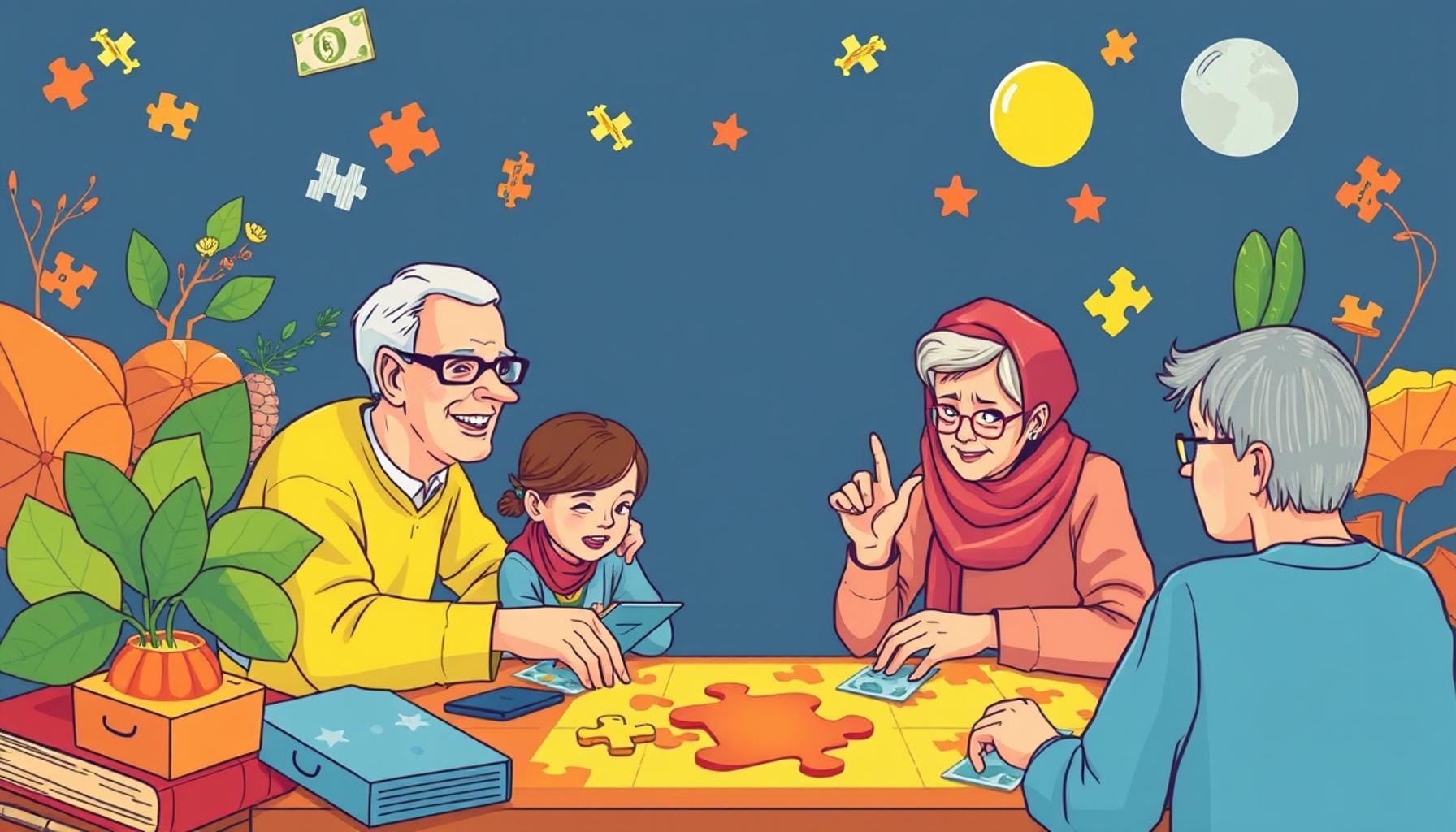
In an era where mobile devices and video games often occupy our attention, intergenerational puzzle games stand out as a significant avenue for bridging the generational divide. These engaging activities serve not just as a form of entertainment; they support vital memory skills and cognitive development, playing a crucial role in enhancing family connections. Through shared experiences, family members, regardless of their age, can cultivate relationships that are both meaningful and beneficial to mental health.
Families can experience a plethora of benefits when they gather to solve puzzles together:
- Enhanced Communication: The collaborative nature of puzzle-solving fosters a dialogue that encourages players to discuss strategies and share insights. This improves their ability to communicate effectively, as they learn to express their thoughts and listen to others.
- Cognitive Stimulation: Engaging with different types of puzzles, like Sudoku or logic games, stimulates critical thinking and boosts creativity. For example, grandparents might introduce a chess puzzle, while grandchildren offer a modern twist with a mobile app’s brain teaser.
- Strengthened Relationships: The act of solving puzzles together creates shared memories that can last a lifetime. Families often find that these moments become cherished traditions, whether it’s a weekly game night or an annual puzzle challenge during family gatherings.
Various puzzle formats cater to different interests and skill levels, making them inclusive for everyone. Jigsaw puzzles can range from simple images for children to complex artwork for adults, while crossword puzzles might be enjoyed across generations, with older family members sharing their extensive vocabulary with younger players. Meanwhile, brain teasers can invoke lively debates as family members devise unique solutions, promoting teamwork and collaboration.
Across the United States, families have embraced these timeless games as a means of connection. Communities have even begun organizing puzzle tournaments that encourage intergenerational teams, providing an opportunity for families to bond outside the home. An added bonus is the cognitive benefit—research supports the idea that regular engagement in these activities may delay cognitive decline in older adults, keeping their minds sharp while enhancing their interactions with younger generations.
As families look for ways to counteract the pervasive influence of digital distractions, intergenerational puzzle games emerge as a compelling option. These activities not only entertain but also serve as a powerful tool for lifelong learning and connection. By immersing themselves in the realm of puzzles, families can cultivate a dynamic environment that encourages growth, creativity, and unity. So, grab a puzzle and embark on an exciting journey of discovery and connection that unites generations!
DISCOVER MORE: Click here to delve deeper
Fostering Cognitive Development Through Play
The appeal of intergenerational puzzle games extends beyond mere entertainment; these games are essential tools for cognitive development that appeal to individuals from various age groups. At their core, these puzzles challenge players to think critically, strategize, and collaborate—skills that are valuable at any age. For families, this presents a unique opportunity to engage in activities that enhance memory skills while simultaneously reinforcing familial bonds.
One of the key advantages of engaging in puzzles is their ability to improve various cognitive functions. Research has shown that activities that stimulate the brain help maintain and enhance cognitive health, especially in older adults. Engaging in puzzle-solving encourages the activation of neural pathways, which can lead to improved memory retention. This is crucial for older generations who may experience cognitive decline, as well as for younger generations still developing their mental faculties.
Family members can explore multiple aspects of puzzle gaming, benefiting from the diversity that puzzles offer. Here are different categories of puzzles that families can enjoy together:
- Jigsaw Puzzles: Suitable for all ages, jigsaw puzzles require individuals to utilize visual-spatial reasoning. They can range from a simple structure for children to intricate designs for more seasoned players.
- Crossword Puzzles: These word games not only stimulate vocabulary but also encourage knowledge sharing between generations. Older members may recall historical facts and cultural references, while the younger generation can introduce slang and contemporary terms.
- Logic Puzzles: Such puzzles challenge players to think analytically and enhance critical thinking skills. They can serve as a great equalizer, sparking discussions as families devise strategies and explore solutions together.
- Board Games with Puzzle Elements: Many board games incorporate puzzles that require teamwork. Games like “Rush Hour” and “Blokus” blend competition and cooperation, providing an engaging platform for family interaction.
Additionally, studies reveal that families that regularly engage in these puzzle activities see improvements in collective problem-solving abilities. The necessity to work together to find a solution can diminish generational misunderstandings and improve the dynamics at home. For instance, a family might gather on a Sunday afternoon to tackle a challenging crossword or spend an evening completing a jigsaw puzzle, creating a rich environment for storytelling and connection alongside the challenge of the task.
Moreover, intergenerational puzzle games have social benefits that extend beyond the immediate family. As communities have come together to host events centered on puzzle-solving, familial teams engage in a broader social context, forging connections with other families and neighbors. These events not only elevate the fun but also underscore a shared commitment to fostering mental acuity among multiple generations. Community centers and local libraries often hold puzzle tournaments, allowing families to showcase their skills and bond over shared challenges.
Ultimately, the value of intergenerational puzzle games lies not only in the enjoyment they provide but also in their profound ability to unite families across ages while honing essential memory skills. As families continue to navigate a world filled with distractions, reimagining time spent together through puzzle-related activities fosters a healthy and engaged household.
| Advantage | Description |
|---|---|
| Cognitive Engagement | Puzzle games stimulate thinking skills and enhance memory retention across all age groups. |
| Social Interaction | Playing together fosters strong family bonds and encourages communication among generations. |
| Skill Adaptation | Games can be tailored to suit varying skill levels, making them accessible for both children and seniors. |
| Reduction of Isolation | Engaging in intergenerational activities helps reduce feelings of loneliness and promotes well-being. |
As the demand for activities that can bridge the gap between generations increases, puzzle games stand out as an engaging solution. Not only do they entertain, but they also provide substantial cognitive benefits. These games require players to remember and strategize, thereby enhancing their problem-solving skills. With various styles—ranging from traditional jigsaw puzzles to innovative digital formats—there’s something to captivate every age. Families seeking ways to engage with their elderly members can find solace in these activities, which pave the way for meaningful interactions and shared experiences. Furthermore, studies indicate a strong correlation between puzzle engagement and improved memory function in seniors, proving their relevance in fostering mental sharpness. By embracing the idea of an intergenerational approach to puzzle games, communities can help cultivate a nurturing environment where individuals of all ages can thrive together. Considering these various aspects, it’s clear that these games hold the potential not merely for fun, but also for vital social and cognitive development.
DISCOVER MORE: Click here to uncover the strategies behind memory games
The Psychological Benefits of Puzzle Games
Beyond cognitive skills, intergenerational puzzle games also offer significant psychological benefits that can enhance familial relationships and individual well-being. Engaging in these activities provides a sense of accomplishment that can lead to boosted self-esteem, particularly for older adults who may be in search of activities that validate their skills and wisdom. For younger players, solving puzzles can foster confidence as they experience success in collaborative efforts with their family members.
Moreover, the act of working together on puzzles promotes a shared experience that strengthens emotional bonds. A study conducted by the American Psychological Association highlighted that families participating in group activities report greater satisfaction in their relationships. When puzzling together, members are encouraged to communicate openly; this not only improves their problem-solving skills but also allows for the exchange of thoughts and feelings, transforming simple puzzle-solving into an opportunity for deeper connection.
Puzzle games can also serve as a therapeutic tool, particularly beneficial for elderly participants. Programs utilizing puzzle-solving as part of cognitive-behavioral therapy have shown promising outcomes in helping individuals combat depression and anxiety. Picture a scenario where a grandparent is battling feelings of isolation: sitting down to work on a beautiful jigsaw puzzle with grandchildren can initiate joy and laughter, providing a constructive outlet for emotional expression.
Families might choose to incorporate puzzles with themes relevant to their collective experiences—family vacations, favorite pets, or significant life milestones. Customizable options such as photo puzzles transform personal memories into interactive games. Engaging children in selecting images reinforcing their unique family identity can also enhance their connection to family history and values.
Intergenerational Learning and Skill Transfer
The exchange of knowledge occurs fluidly in a puzzle-solving environment. While younger players often bring fresh ideas and digital fluency, older players contribute their wealth of experience and historical knowledge. This dual exchange fosters a sense of intergenerational learning that informs and enriches all participants. For example, an older family member might teach a child the art of patience and strategic planning through complex puzzles, while the child might, in return, introduce an older member to the latest online puzzle platforms, enhancing their comfort with technology.
This transfer of skills extends beyond just playing puzzles; it encourages family discussions, storytelling, and shared laughter over the challenges faced during the puzzle creation. These moments are not merely about solving a problem but rather about building a culture of respect and understanding between generations, laying a foundation for strong familial cohesion.
Additionally, the popularity of apps and online platforms dedicated to puzzles offers families renewed opportunities to connect. Games like “Words with Friends” or “Jigsaw World” allow family members to engage with one another despite geographical distances. Virtual puzzle games offer real-time collaboration, further emphasizing the endless possibilities of intergenerational connection through play. These digital avenues ensure that the essence of family bonding via puzzle-solving remains intact, regardless of physical separation.
As the landscape of family interactions continues to evolve, incorporating intergenerational puzzle games into daily life can significantly influence family dynamics and overall mental health. By fostering an environment that encourages cognitive engagement and uplifted emotional well-being, families are not merely playing games; they are establishing a legacy of learning, understanding, and growth across generations.
DISCOVER MORE: Click here to dive deeper
Fostering Connection Through Play
In conclusion, intergenerational puzzle games offer a dynamic platform for enhancing not only cognitive skills but also emotional connections between different age groups. The act of solving puzzles together creates a unique opportunity for family members to bridge generational gaps, enriching their interactions and fostering a profound sense of shared purpose. This collective engagement allows young and old alike to benefit from each other’s strengths, inspiring both skill transfer and personal growth.
As the complexities of modern life often challenge familial relationships, the simplicity of puzzling together serves as a reminder of the importance of quality time spent with loved ones. Puzzles can cultivate meaningful conversations, encourage the sharing of family stories, and instill values that resonate through generations. The psychological and emotional advantages gained from these shared activities promote not only individual well-being but also a healthier family dynamic.
Moreover, digital platforms make it easier than ever to maintain these intergenerational connections, illustrating that geographical barriers should not hinder the joy of collaborative play. As families navigate the evolving landscape of communication and relationships in today’s society, integrating puzzle games into their routines could signify more than just recreation; it could be a pivotal step towards establishing a legacy of memory, skill-sharing, and shared happiness.
In light of their numerous benefits, intergenerational puzzle games deserve recognition as a vital tool for nurturing family bonds and enhancing cognitive health across the ages. Embracing these activities may well inspire families to create cherished memories that shape their future together.