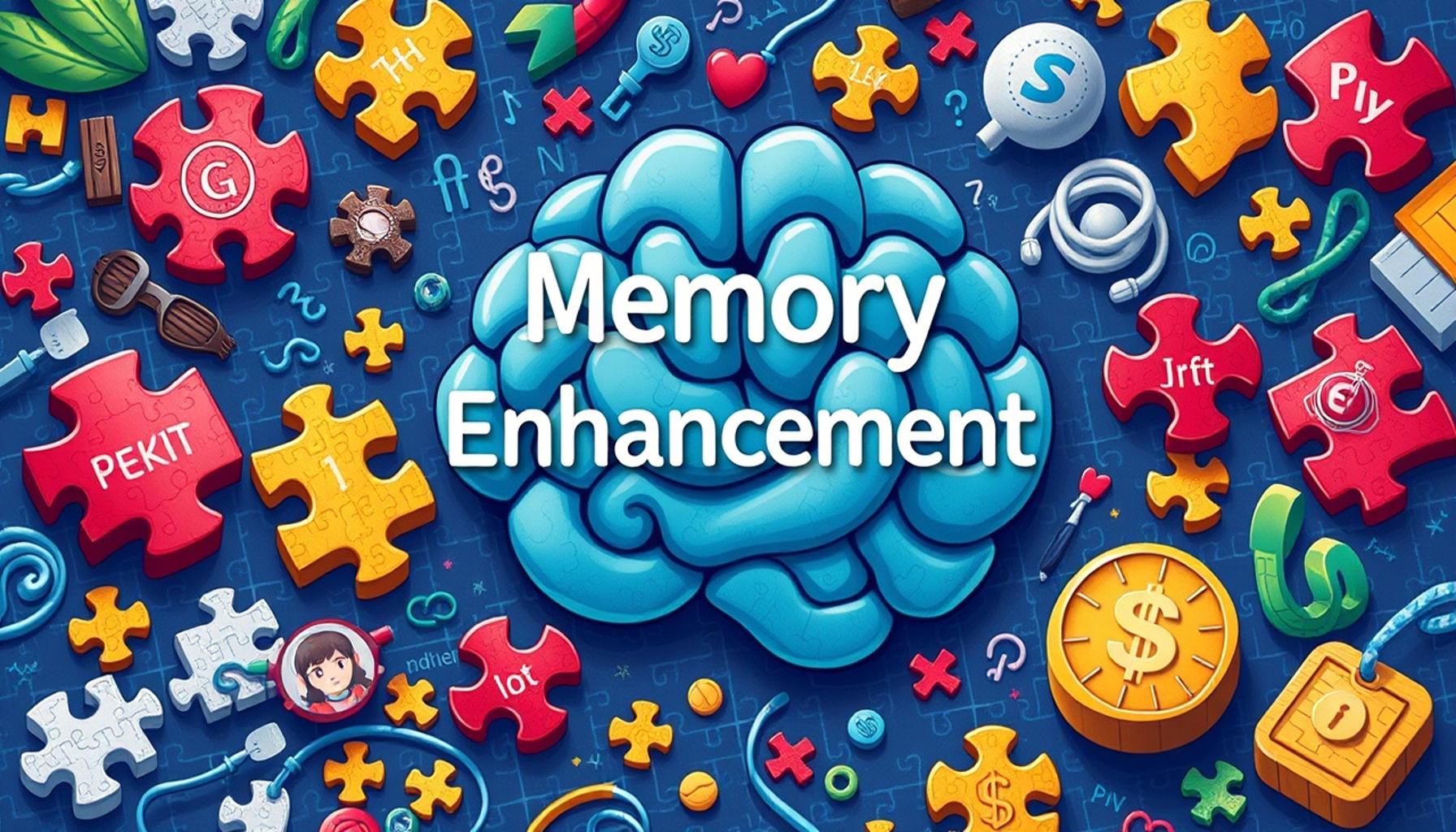
The Role of Memory Games in Cognitive Development

The Importance of Memory Games
Memory games have woven themselves into the fabric of modern society, serving as both a source of entertainment and a cognitive exercise. For individuals of all ages, these games resonate deeply due to their ability to enhance various mental functions. Engaging regularly in memory-enhancing activities can lead to substantial improvements in mental acuity.
At their core, memory games challenge players to identify and recall specific pieces of information, whether it’s numbers, colors, or shapes. Improving concentration is one of the most immediate benefits of participating in these games. For instance, when playing a card matching game, individuals must concentrate on memorizing the locations of various cards while keeping track of their opponents’ moves. This level of focus cultivates a sharper attention span in everyday tasks.
Additionally, the games are excellent for enhancing problem-solving skills. Take the example of a Sudoku puzzle—players must devise strategies to fill in numbers based on prior placements, which encourages critical thinking and logical reasoning. Similarly, games that require players to find patterns or complete sequences challenge cognitive skills directly linked to problem-solving, making these exercises not only fun but also intellectually stimulating.
One of the most notable outcomes from regular engagement in memory games is the boost in recall abilities. Individuals who frequently participate in memory activities demonstrate improved retention of information over time. For example, college students might utilize memory techniques from games to memorize textbooks and lecture notes more effectively, thereby enhancing their academic performance.
Scientific research further underscores the effectiveness of memory games. Recent studies indicate that such activities can encourage brain plasticity, contributing to the development of new neural pathways within the brain. This is particularly beneficial for aging populations; regular mental challenges have been shown to help delay cognitive decline, combating age-related memory loss that many encounter in their later years. Furthermore, memory games foster social interaction; whether played with family members or in larger groups, they cultivate teamwork and communication skills essential in both personal and professional environments.
As memory games gain ground in educational curricula—where innovative teaching methods are on the rise—and therapy sessions throughout the United States, it has never been more crucial to understand their impact on cognitive development. Exploring the science behind these games reveals exciting pathways into how they contribute to mental agility in our everyday lives. Engaging with memory games can be a simple yet effective strategy for maintaining mental health and enhancing social connections, proving particularly valuable in our increasingly digital age. Through continued research and application, memory games could hold the key to unlocking enhanced cognitive performance for all.
DIVE DEEPER: Click here to discover more
Engaging the Mind: How Memory Games Boost Cognitive Abilities
The landscape of cognitive development is intricate, and memory games serve as a crucial component in fostering mental agility. As researchers delve into the impacts of cognitive exercises on the brain, the importance of memory games becomes increasingly evident. These games not only provide fun and interactive ways to engage with information but also stimulate critical mental functions essential for day-to-day activities.
One remarkable way memory games enhance cognitive development is by promoting working memory. Working memory is the capacity to hold and manipulate information in the mind over short periods. For instance, when players engage in games like memory card flips, they must keep track of previously revealed cards while attempting to match pairs. This continuous act of recalling information reinforces pathways in the brain associated with short-term memory retention.
Another benefit of memory games is their ability to support executive functions, which include planning, flexibility, and task management. Games that require players to shift their strategies based on new information or block opponents’ moves cultivate adaptive thinking. The classic board game, chess, with its complex moves and strategic planning, is an excellent example of how players can develop these critical cognitive skills in a competitive environment.
Furthermore, memory games often involve social interactions, offering a platform for individuals to sharpen their communication skills. Cooperative and competitive gameplay encourages conversation and negotiation among players, promoting the exchange of ideas and strategies. In educational settings, games that require teamwork can enhance children’s social development, teaching them valuable lessons in collaboration and empathy.
The Cognitive Benefits of Different Memory Games
Memory games come in various forms, each targeting distinct aspects of cognitive functions. Here are some types of memory games and their associated cognitive benefits:
- Matching Games: These games enhance visual recognition and improve short-term memory by requiring players to remember the positions of matching cards.
- Puzzle Games: Engaging with jigsaw puzzles sharpens spatial reasoning and problem-solving skills, as players must visualize how pieces fit together.
- Word Games: Games such as Scrabble or crosswords boost vocabulary and encourage creative thinking as players manipulate letters to form words.
- Strategy Games: Board games like Settlers of Catan promote critical thinking and strategic planning, as players must evaluate risks and make thoughtful decisions.
While the entertainment value of memory games is undeniable, the profound implications for cognitive development linger long after the last round has been played. As more studies emphasize the neurological benefits of such activities, it becomes increasingly clear that memory games are not merely a pastime; they are a powerful tool for enhancing cognitive resilience, particularly in a world that incessantly demands mental adaptability.
The Role of Memory Games in Cognitive Development
As we delve deeper into the significance of memory games, it’s essential to understand their multifaceted benefits that cater not only to children but to individuals of all ages. These engaging activities have been shown to play a crucial role in enhancing various cognitive functions, paving the way for more efficient and effective learning processes. Memory games are remarkable tools for improving critical thinking and problem-solving skills. By challenging players to remember specific sequences or patterns, they encourage mental flexibility and adaptability. This is particularly beneficial in educational settings where such skills are imperative for academic success. Research indicates that regular engagement in memory games can lead to better performance in tasks that require focus and concentration.Moreover, these games also facilitate social interaction and emotional well-being. Participating in memory games often requires collaboration, whether in pairs or larger groups, fostering communication skills and teamwork. This aspect of play is exceptionally valuable in building interpersonal relationships and improving social skills, which are essential for emotional intelligence.To further expand your understanding of how memory games influence cognitive development, let’s look closely at their advantages through the following table:
| Category | Advantages |
|---|---|
| Cognitive Skills Enhancement | Memory games improve attention, focus, and problem-solving capabilities. |
| Social and Emotional Development | Engaging in memory games promotes teamwork and communication skills among participants. |
By exploring these dimensions, readers can appreciate the profound impact memory games can have, encouraging not only cognitive growth but also a richer social life. Those interested in harnessing the power of memory games as a tool for cognitive development are encouraged to explore various options available, from traditional card games to innovative digital formats that keep the experience dynamic and engaging.
DIVE DEEPER: Click here to learn more about focus training in card games
Strengthening Neural Connections Through Play
Another significant aspect of memory games is their role in enhancing neuroplasticity, the brain’s ability to reorganize itself by forming new neural connections throughout life. Engaging in memory games stimulates cognitive processes that can lead to improved brain health. According to a study published in the journal Neuropsychology, regular participation in memory-enhancing activities is linked to a lower risk of cognitive decline as individuals age. This supports the notion that memory games can act as a mental workout, keeping the brain agile and responsive.
Furthermore, memory games also facilitate long-term memory retention. When players engage in repeated practice, such as recalling information or revisiting previously encountered challenges, they strengthen the encoding and retrieval processes of memory. A 2020 study by the National Institutes of Health found that playing memory games improved participants’ performance on long-term memory tests compared to those who did not engage in similar activities. This demonstrates the profound influence of structured memory games on the brain’s ability to store and recall information.
Cognitive Development Across Ages
Memory games are versatile in fostering cognitive development across various age groups. For younger children, games like Simon Says and the classic Memory Match not only enhance memory but also contribute to language development by introducing them to new words and phrases in a playful context. These formative experiences can lay the foundation for a lifetime of cognitive skills.
As children transition into adolescence, engaging in more complex memory games, such as word association puzzles and trivia challenges, can refine both their memory and critical thinking abilities. Studies have shown that adolescents who participate in cognitively stimulating activities, including structured memory gaming, score higher on assessments of executive function and general knowledge.
For adults, particularly in high-stress environments, memory games can serve as mental relaxation tools while simultaneously enhancing cognitive sharpness. Games requiring memory and strategy, such as Sudoku and memory-based card games, can reduce stress levels and improve mood, which is crucial for maintaining productivity and mental health. Research led by the University of California indicates that engaging in memory games can be effective in combating the effects of cognitive fatigue and promoting overall well-being.
Furthermore, memory games are becoming increasingly popular in therapeutic settings, demonstrating their relevance in enhancing cognitive rehabilitation. Their use in therapeutic practices for stroke victims and individuals with Alzheimer’s disease has shown promise in retaining memory capabilities. Therapeutists often incorporate memory games into treatment plans, emphasizing their role in both rehabilitation and cognitive strengthening.
As these insights unfold, it becomes apparent that memory games are more than just enjoyable diversions. They represent an accessible and engaging avenue for promoting cognitive development and maintaining mental agility throughout the human lifespan. Whether for children, adolescents, adults, or the elderly, memory games play a pivotal role in enhancing various cognitive functions while adapting to the unique developmental needs of each age group.
DISCOVER MORE: Click here to learn about enhancing your focus in card games
Conclusion: Unlocking Potential Through Memory Games
In summary, the role of memory games in cognitive development cannot be overstated. These engaging activities provide a rich platform for enhancing crucial brain functions, including memory retention, neuroplasticity, and critical thinking across all age groups. With substantial evidence indicating that participation in memory games can significantly reduce the risk of cognitive decline, it becomes evident that these games serve not just as pastimes but as essential tools for maintaining mental agility.
From the formative years of childhood, where simple games lay the groundwork for language and memory skills, to the more complex challenges faced in adulthood and beyond, memory games adapt to meet varying cognitive needs. Recent studies highlight their potential in therapeutic settings, showcasing their value in rehabilitation for cognitive impairments resulting from medical conditions such as stroke or Alzheimer’s disease.
The inclusive nature of memory games invites everyone—from children to seniors—to engage in a fun and rewarding way to bolster their cognitive abilities. As we continue to explore the intersection of play and mental function, embracing memory games can indeed be a key strategy in nurturing our mental well-being and unlocking our full cognitive potential. So, whether you find yourself playing a round of Memory Match or solving a challenging Sudoku puzzle, remember that every game is a step toward a sharper and healthier brain.