How Trivia Games Stimulate Long-Term Memory and Learning
The Power of Trivia Games in Learning
In an era where dopamine-inducing distractions abound, trivia games stand out as engaging educational tools that promote the enhancement of long-term memory and facilitate learning. Striking a delicate balance between fun and education, these games challenge players while simultaneously instilling knowledge in a memorable way. They offer a perfect blend of competition, inquiry, and camaraderie, making the acquisition of information enjoyable rather than burdensome.
Why Trivia Games Work
There are several compelling reasons that make trivia games an effective means of learning. One prominent element is engagement. The competitive format of these games fuels motivation and encourages individuals to push their boundaries. Whether played in a classroom, at a social gathering, or via apps, the thrill of testing one’s knowledge against others cultivates a lively atmosphere that draws players in.
- Engagement: The adrenaline rush of competing against peers or friends fosters enthusiasm. Games like “Trivial Pursuit” or online platforms such as “Sporcle” illustrate how enjoyable competition can drive players to absorb more information.
- Repetition: Trivia games often present questions multiple times, reinforcing facts and concepts through consistent exposure. This repetition is key in the process of memory recall, helping to cement details in the long-term memory.
- Diverse Knowledge: From history to pop culture, trivia games encompass a wide array of topics. This not only allows players to discover new interests but also encourages learning across varied disciplines, enhancing overall critical thinking skills.
The Science Behind Active Recall
Recent research highlights that active recall, the technique employed by trivia games, plays a vital role in forging long-term memories. When answering questions, players engage multiple cognitive processes, such as retrieval practice and elaboration, which promote a deeper understanding of the subject matter. For example, considering how a player might recall a fact about a historical event can lead to connections that increase retention of correlated information.
Social Interaction and Collective Learning
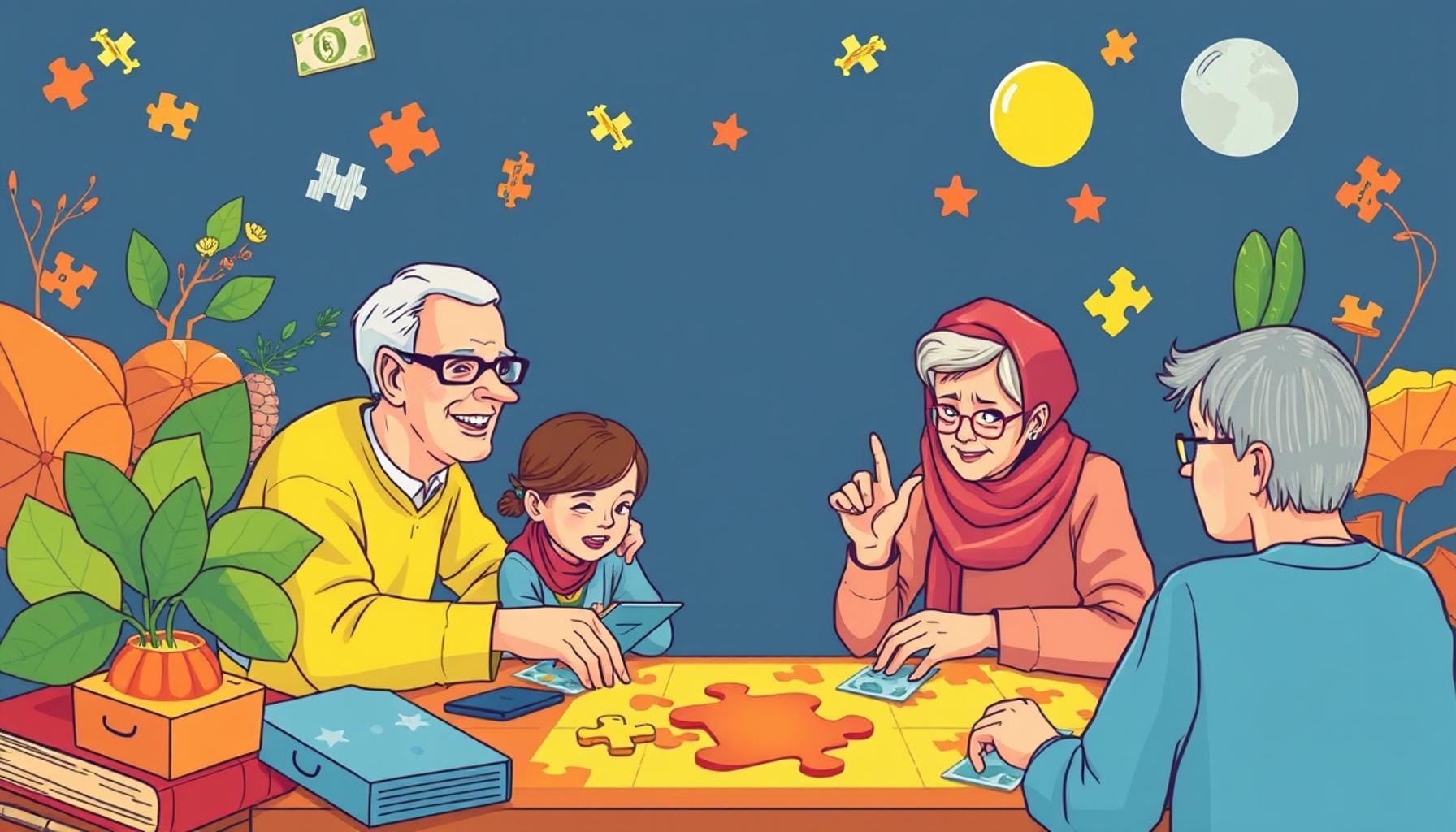
Furthermore, trivia games often enable social interaction. Whether participating in a family game night or joining a local trivia team, the discussions that arise during gameplay help solidify information. Players share insights, challenge each other’s knowledge, and collaborate strategically to answer complex questions. This social dynamic not only enhances retention but also fosters a sense of community in the learning process.
Future Perspectives on Trivia in Education
As we proceed to examine the utility of trivia games in educational settings, it is apparent that their impact extends beyond entertainment. Educators are increasingly integrating trivia-based activities into lesson plans, utilizing them to recap lessons, review material, and promote collaborative learning environments. This approach could reshape traditional teaching methods, encouraging a more active and enthusiastic participation from students.
In conclusion, trivia games represent much more than simple entertainment; they are powerful tools for learning that can significantly enhance how individuals retain information across various fields. By exploring their potential in formal education and daily life, we can ignite a renewed passion for learning that is both enjoyable and productive.
Engagement Through Competition
The fascinating allure of trivia games lies in their ability to spark active engagement among players. Unlike traditional learning methods that can often feel tedious or monotonous, trivia games infuse a sense of excitement and urgency. As players strive to outsmart one another, they become not only recipients of information but active participants in a memorable experience. This dynamic interaction is fundamental in aiding the transition of information from initial exposure into long-term memory.
Enhancing Focus and Attention
One of the critical factors that account for the effectiveness of trivia games in learning is the heightened focus they demand. When players face off against each other in a timed format, there is little room for distraction. Research indicates that the physiological arousal triggered by time-bound competition primes the brain to retain pertinent information. As the stakes rise, so does concentration, leading to a stronger encoding of the learned material.
The Role of Feedback in Learning
Moreover, trivia games provide instant feedback, which is crucial for the learning process. When players answer questions, they receive immediate confirmation on the accuracy of their responses. This immediate reinforcement allows participants to assess their knowledge gaps and encourages them to explore subjects they may previously overlooked. Feedback loops trigger curiosity and promote a desire for knowledge expansion. For example, a player might answer incorrectly about a scientific fact but, intrigued by the nature of the question, may seek to learn and remember the correct information, thereby enhancing their retention further.
Mechanisms of Memory Reinforcement
Trivia games also serve as practical examples of cognitive psychology principles in action. The mechanics of these games frequently utilize spaced repetition, a well-documented learning strategy that maximizes memory retention. By revisiting questions over time, players reinforce their knowledge through spaced intervals, which research shows is far more effective than cramming information in one prolonged session. This method not only solidifies what players learn but also enables connections between different pieces of information, further enhancing memory recall.
Broadening Knowledge Horizons
In addition to enhancing focus and utilizing effective learning strategies, trivia games expose players to an eclectic range of topics. From geography to sports statistics, players often find themselves on a journey through various subjects, cultivating a broader understanding of the world. This diversity not only keeps gameplay fresh and exciting but also piques players’ interests outside of the game itself. Many participants find themselves diving deeper into topics sparked by questions faced during play, expanding their knowledge further.
As we delve deeper into the compelling influence trivia games have on learning, it becomes increasingly evident that their design goes beyond mere entertainment. This unique blend of engagement, focus, and cognitive reinforcement makes trivia games powerful instruments for enhancing long-term memory and promoting lifelong learning.
Exploring Trivia Games and Memory Retention
Trivia games are widely recognized for their entertainment value, yet their role in stimulating long-term memory and enhancing learning is an intriguing subject to explore. Engaging in trivia not only tests general knowledge but also stimulates the brain’s neural pathways, creating a responsive learning environment. These interactive challenges can help reinforce existing knowledge and facilitate the retention of new information by combining fun with educational content.
Furthermore, the element of competition present in trivia games prompts players to concentrate and absorb information effectively. This form of active learning encourages participants to recall facts under pressure – a skill that is transferable to real-world scenarios. Engaging with trivia regularly can aid in the consolidation of memories, making recall easier over time.
| Category | Benefits |
|---|---|
| Memory Reinforcement | Engaging players in recalling information strengthens memory pathways. |
| Active Learning | Trivia encourages retention by requiring players to think critically and recall. |
Moreover, the social aspect of trivia games fosters collaborative learning, where players share knowledge and fill in gaps. This social interaction solidifies memory retention as players discuss and debate answers. Overall, the multifaceted approach of trivia games not only educates but also enhances cognitive functions, making them a powerful tool for learning and memory improvement.
The Social Aspect of Learning
Another compelling element of trivia games is their inherent social dimension. These games often bring together friends, family, and even strangers, creating an environment ripe for collaborative learning. Engaging with others in a trivia setting allows participants to share knowledge and perspectives, further enriching the learning experience. Studies suggest that social interaction boosts cognitive functions, significantly enhancing memory retention. The discussions that unfold during gameplay—ranging from debates over answers to personal anecdotes related to the topics—solidify learned information in a more personal context, making it easier to recall later.
Building Team Dynamics
When trivia is played in teams, it introduces another layer of learning. In team-based settings, members often divide specializations among themselves, each becoming a ‘subject matter expert’ in different categories. This collaborative approach not only fosters a sense of camaraderie but also deepens understanding, as players must communicate and explain concepts to their teammates. Such dynamics encourage a participatory learning atmosphere wherein hotel myths, little-known facts, and interesting quirks about subjects are shared, thus nurturing a broader knowledge base as team members absorb information from one another.
Intriguing Contextual Learning
The contextual clues embedded within trivia questions also play a vital role in stimulating long-term memory. Many trivia games embed historical facts, cultural references, or even geographical tidbits within their queries. By asking players to connect seemingly unrelated pieces of information, trivia games foster a holistic understanding of knowledge. For instance, a question about a particular event may lead to sub-questions regarding the political climate of the time, deepening players’ contextual knowledge and facilitating easier memorization. This profound context enriches learning by anchoring facts in a narrative that players can relate to and remember more vividly.
Cognitive Flexibility in Trivia
The nature of trivia challenges players to employ cognitive flexibility—an essential skill in navigating complex problem-solving scenarios. Switching between different topics and adjusting strategies based on new information keep the mind agile. The quick-thinking required often translates into better memory retention, as players practice retrieving information from various domains under pressure. This mental workout essentially strengthens the brain’s synaptic connections, ultimately aiding in the processing and retrieval of data in the future.
The Neuroscience of Fun
Finally, it is essential to recognize the fundamental role of enjoyment in the learning process. Neurologists have demonstrated that pleasurable experiences lead to the release of neurotransmitters like dopamine, which play a crucial role in memory formation. Trivia games inject fun into learning, allowing players to enjoy the process without the burden of traditional education’s expectations. This enjoyment not only assists in attracting and maintaining attention but also encourages repeated engagement with content, ensuring that information is revisited and reinforced over time.
In summary, trivia games captivate players not just with competition and quick thinking but also with their social, contextual, and enjoyable facets. The multifaceted approach to learning they provide illustrates their profound ability to stimulate long-term memory and lifelong education, opening doors to a world of knowledge while creating lasting connections among players.
Conclusion: The Lasting Impact of Trivia on Learning
In conclusion, the power of trivia games as a medium for stimulating long-term memory and enhancing learning is profound and multifaceted. By merging competition with collaborative aspects, trivia creates an engaging environment that turns knowledge acquisition into a dynamic experience. The interaction among participants fosters not only camaraderie but also a collective intelligence that enriches individual understanding.
Moreover, the incorporation of contextual clues within trivia questions bridges learning with real-world knowledge, allowing players to see beyond mere facts and connect them to broader narratives. This contextual learning not only makes information more relatable but also anchors it in a way that enhances recall. The mental agility required to navigate diverse topics promotes cognitive flexibility, equipping players with valuable skills that extend beyond the trivia board.
Finally, the joy and entertainment intrinsic to trivia play a critical role in the learning process. As players engage in a fun and stimulating environment, neurotransmitters like dopamine are released, reinforcing memory formation and retention. This merging of enjoyment with education creates a sustainable desire to learn, illustrating that the path to knowledge can be enjoyable and rewarding.
As we explore the world of trivia games, we uncover not just a source of entertainment but a rich avenue for personal growth and lifelong learning. Whether in a social setting or a more competitive arena, trivia continues to inspire curiosity and foster a deeper understanding of the world around us. It invites everyone to participate, learn, and retain knowledge in an unforgettable way—making the case for trivia games as a vital tool in modern education.