
The Crucial Role of Dental Care in Your Pet’s Overall Wellbeing
Our furry companions, much like humans, require regular dental care to maintain optimal health. However, many pet owners in Nigeria often overlook this essential aspect, potentially leading to severe health complications down the line. Research shows that over 80% of dogs and 70% of cats develop dental disease by the age of three, emphasizing the dire need for preventive measures. Understanding these statistics underscores the critical need for pet owners to prioritize dental health, thereby improving their pets’ quality of life.
Common Dental Issues in Pets
- Periodontal Disease: This infection affects the tissues surrounding the teeth and is a leading cause of tooth loss in pets. The condition often starts with gingivitis, which can quickly escalate to more severe stages if left untreated.
- Tartar Buildup: This hard deposit forms from plaque that has mineralized on the teeth. Tartar can lead to bad breath, pain, and infection, severely impacting your pet’s overall comfort and willingness to eat.
- Tooth Loss: Resulting from advanced dental disease, tooth loss not only hinders a pet’s ability to eat but can also cause behavioral changes and a decline in overall wellbeing.
Maintaining healthy teeth is essential not only for improved breath but also for reducing the risk of serious health conditions, including heart disease, kidney problems, and diabetes. In Nigeria, where veterinary services may not always be readily accessible, it becomes even more crucial for pet owners to take a proactive approach in managing their pets’ dental health from home.
Steps to Ensure Dental Health
- Regular Brushing: Aim to brush your pet’s teeth at least two to three times a week. Incorporating this habit helps minimize plaque buildup and strengthens the bond between you and your pet.
- Dental Treats: Look for dental care products specifically designed to help reduce plaque and tartar. These treats can be an enjoyable way for your pet to participate in their own dental health.
- Veterinary Check-Ups: Schedule annual dental examinations as part of your pet’s routine veterinary care. This is crucial for early identification of potential issues before they become severe.
By implementing these practical steps, you can help ensure your pet’s teeth remain clean and healthy, leading to an enhanced quality of life. Dental care is not just about aesthetics; it is a fundamental part of your pet’s health strategy. By educating yourself and actively pursuing dental care, you can significantly extend the life and happiness of your beloved companions.
SEE ALSO: Click here to read another article
Understanding the Importance of Regular Dental Hygiene for Pets
Just as we prioritize our own oral hygiene, ensuring that pets have clean and healthy teeth should be a fundamental part of responsible pet ownership. Poor dental health in pets can lead to a multitude of problems, not just affecting their mouths but also leading to systemic health issues. In Nigeria, where the awareness surrounding pet dental health is still evolving, many pet owners may be unaware of the critical nature of this aspect of care.
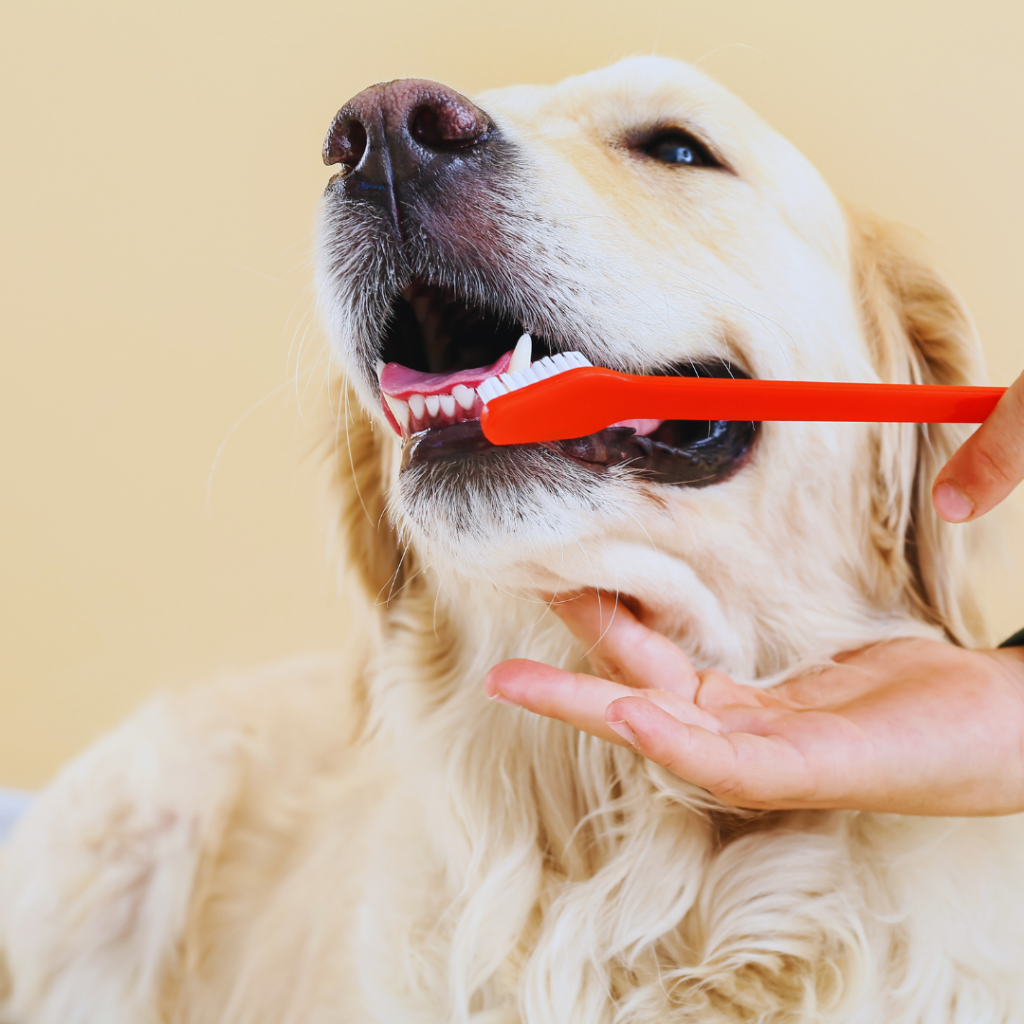
The connection between dental hygiene and overall health is significant. Infections from untreated dental diseases can travel through the bloodstream, impacting vital organs such as the heart, liver, and kidneys. Moreover, pets with poor dental hygiene may suffer prolonged pain and discomfort, impacting their quality of life. This is particularly alarming given that many pets in Nigeria are exposed to environmental factors and diets that may make them more vulnerable to dental issues.
Recognizing Warning Signs of Dental Problems
Being proactive is key to maintaining your pet’s dental health. Here are several warning signs that may indicate dental issues:
- Bad Breath: While occasional bad breath is normal, persistent foul odor can signal periodontal disease or other dental problems, requiring immediate attention.
- Difficulty Eating: If your pet is reluctant to chew its food or shows signs of pain while eating, it’s crucial to seek veterinary advice. This can indicate underlying tooth or gum health issues.
- Excessive Salivation: If you notice increased drooling or foaming at the mouth, this could signify dental discomfort or oral injury.
- Swollen Gums: Healthy gums should be pink and firm. If they appear red, swollen, or bleeding, it’s a clear sign of gum disease that needs evaluation.
- Loose or Missing Teeth: Unexpected tooth loss or loose teeth could be symptoms of advanced dental disease.
Familiarizing yourself with these signs can aid in early detection and treatment, reducing the risk of severe health issues in your pet. Ideally, pet owners should perform regular wellness checks that include a glance into their pets’ mouths and an examination of their gums and teeth.
Understanding Your Pet’s Nutritional Needs
Diet plays a pivotal role in maintaining dental health. Many commercial pet foods available in Nigeria are formulated to aid dental care, featuring specific ingredients or textures that help reduce plaque and tartar. It is important to choose a balanced diet that not only ensures overall health but also supports strong teeth and gums.
Additionally, supplementing a pet’s diet with crunchy vegetables or specially designed dental treats can serve as a fun way to promote dental health. These options can not only be tasty but also contribute significantly to plaque control, ensuring a happier, healthier life for your furry friend.
Ultimately, the journey to maintaining your pet’s dental health is not just a matter of preventing bad breath. It’s about series of deliberate actions aimed at ensuring your pet’s overall well-being and longevity. By staying informed and engaged, pet owners can easily integrate good dental practices into their pets’ daily lives.
| Advantage | Details |
|---|---|
| Prevention of Dental Diseases | Regular dental care prevents diseases like periodontal disease, ensuring a longer, healthier life. |
| Reduction of Bad Breath | Maintaining proper dental hygiene eliminates plaque buildup, which is a major contributor to bad breath in pets. |
To ensure your pets’ dental health, implement a comprehensive routine that includes daily brushing, dental treats, and regular vet check-ups. These steps are essential in maintaining oral hygiene and preventing significant health issues. Many pet owners may overlook the impact of dental care on overall health. However, poor dental hygiene can lead to serious complications, including heart and kidney problems.In addition to routine dental care, consider using water additives or dental gels that are specifically designed for pets, which can further aid in reducing plaque and tartar buildup. Moreover, educating yourself about the signs of dental problems, such as difficulty chewing or swollen gums, can help catch issues early, ensuring your pet stays happy and healthy.With a proactive approach, you can extend the life of your furry friend while keeping their smiles bright and their health in check. It’s vital to engage with your veterinarian regarding the best practices tailored to your pet’s specific needs. Remember, happy teeth lead to happy tails!
CHECK OUT: Click here to explore more
Implementing Effective Dental Care Routines
Once you’ve recognized the importance of dental health and the signs that your pet may be suffering, the next step is implementing a robust dental care routine. Regular and consistent dental hygiene practices not only prolong your pet’s life but also enhance their overall happiness. Here are the key methods for maintaining your pets’ dental hygiene:
Brushing Your Pet’s Teeth
One of the most reliable ways to keep your pet’s teeth clean is through regular brushing. While it may seem daunting, getting your pet accustomed to tooth brushing can have a profound impact on their dental health. Use a pet-specific toothpaste, as human toothpaste can be toxic to pets. Aim to brush their teeth at least two to three times a week, if not daily. Start slowly, allowing your pet to lick the toothpaste from your finger before introducing a toothbrush. Gradually, work your way up to brushing all their teeth, focusing on the gum line where plaque tends to accumulate.
Incorporating Dental Chews and Toys
Providing your pet with dental chews and toys is another effective way to aid in plaque control. Many of these products are designed to scrub your pet’s teeth as they chew, effectively reducing tartar buildup. In Nigeria, various local brands may offer canine and feline dental treats, often made from natural ingredients. Look for products that carry the Veterinary Oral Health Council (VOHC) seal of acceptance, ensuring they meet specific criteria for dental effectiveness.
Professional Dental Cleanings
While at-home care is essential, it should not replace professional dental cleanings. Veterinarians recommend having your pet’s teeth professionally cleaned at least once a year, or more frequently if dental issues are detected. During these cleanings, veterinarians perform thorough examinations and can identify underlying problems that may not be noticeable at home. Moreover, their cleaning tools can remove tartar and plaque buildup that may be difficult to manage with regular brushing.
Natural Remedies and Supplements
In the pursuit of optimal pet dental health, natural remedies can be beneficial. Some pet owners in Nigeria have turned to herbs and supplements that aid in maintaining oral hygiene. Ingredients like coconut oil, known for its antibacterial properties, can be mixed with a little baking soda for an at-home toothpaste alternative. Additionally, incorporating certain foods into their diet, such as crunchy fruits and vegetables, can naturally clean their teeth while providing necessary nutrients.
Furthermore, pet owners can explore dental water additives that help freshen breath and reduce plaque. Such products are easy to use—simply mix them with your pet’s water and watch your furry friend enjoy a refreshing drink that contributes to their dental wellness.
Creating a Dental Health Schedule
To maximize the effectiveness of your dental health efforts, creating a detailed dental care schedule can be advantageous. Keeping track of when brushing occurs, when fresh dental chews are given, and scheduling veterinary visits will help ensure your pet never falls behind on their oral health needs. Consider marking these events on a calendar or setting reminders on your phone, making it a structured part of your grooming routine.
Staying informed and consistent about your pet’s dental health is essential. By understanding and implementing effective dental hygiene practices, you are investing in not just your pet’s teeth, but their entire well-being, ultimately leading to a happier and healthier life.
SEE ALSO: Click here to read another article
Conclusion: Prioritizing Your Pet’s Dental Health
In conclusion, maintaining your pet’s dental health is an essential aspect of their overall well-being that should never be overlooked. The importance of regular dental care extends far beyond keeping those pearly whites shining; it fosters better health and a pleasurable experience for both pets and their owners. As you’ve learned, establishing a routine that includes tooth brushing, incorporating dental chews, scheduling professional cleanings, and utilizing natural remedies like coconut oil can significantly contribute to your pet’s oral hygiene.
Yet, the journey doesn’t end there. Creating a personalized dental health schedule that incorporates these practices will ensure consistency, allowing you to stay on top of your pet’s dental care needs. Remember, educated pet owners in Nigeria have access to a wealth of resources, including veterinary advice and local dental products, designed specifically for their furry companions.
As we continue to learn more about the connection between dental health and overall quality of life, it becomes increasingly evident just how crucial it is to take proactive measures. By investing time and effort into maintaining your pet’s dental hygiene, you are paving the way for a happier, healthier life. So go ahead, equip yourself with knowledge, embrace these practices, and ensure your beloved pets enjoy the benefits of exceptional dental care today and for years to come.
Related posts:
Tips for maintaining mental health and well-being of pets at home
Tips for Preventive Care for Pet Dental Health
How to Identify Signs of Stress in Pets and Techniques to Promote Emotional Well-Being
How to Create a Safe and Healthy Environment for Pets at Home
How proper nutrition can improve your pet's health
The importance of healthy eating for dogs and cats: Tips for a balanced diet

Beatriz Johnson is a seasoned pet care expert and writer with a passion for simplifying the complexities of animal health and responsible pet ownership. With over a decade of experience in the pet industry, she specializes in topics like pet nutrition, behavior training, and wellness strategies. Through her work on our website, Beatriz empowers pet owners to make informed decisions and ensure their furry companions live happy, healthy, and fulfilling lives.