
The Role of Herbs and Spices in Pet Nutrition
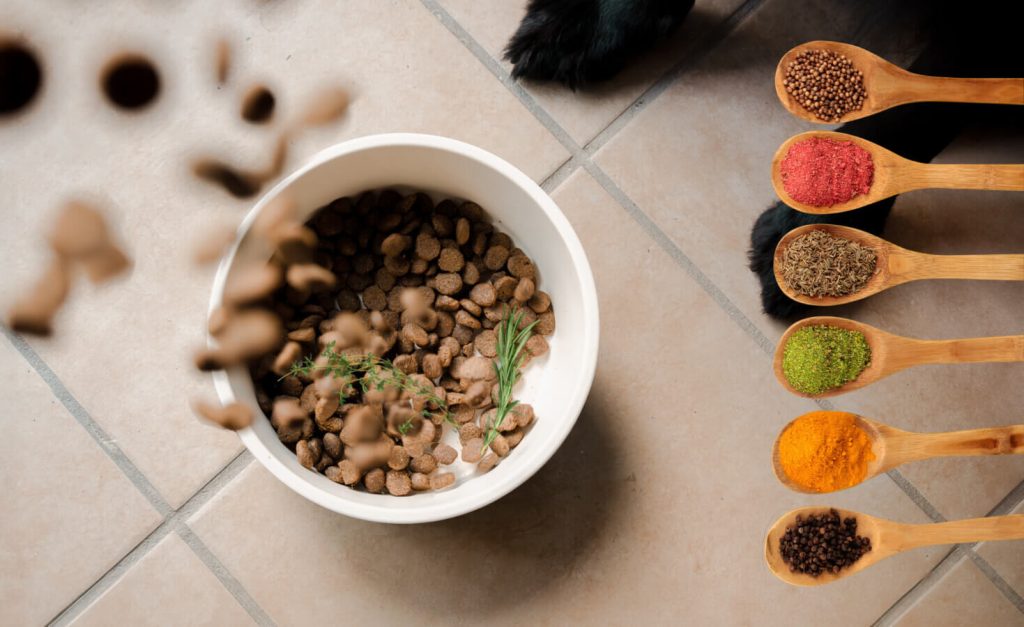
Pet nutrition is a vital aspect of animal care that goes beyond basic dietary needs. Herbs and spices can play an intriguing role, offering various health benefits and appealing flavors. In today’s pet food landscape, these natural ingredients are slowly making their mark, capturing the interest of pet owners eager to explore healthier options for their furry companions. The inclusion of herbs and spices is not just a trend; it reflects a growing awareness of holistic nutrition.
Many pet owners are becoming aware of the importance of incorporating herbs and spices into their pets’ diets. These age-old ingredients, often found in Nigerian kitchens, can provide essential nutrients and promote overall well-being. For instance, ginger is commonly used in Nigerian dishes, not only for its distinctive flavor but also for its health benefits. It is known to aid digestion, making it easier for pets to process their food, and it also has anti-inflammatory properties that are beneficial for pets with joint issues.
- Ginger: Aids digestion and reduces inflammation, making it an excellent addition for pets experiencing stomach discomfort or arthritis.
- Turmeric: Known for its antioxidant properties, turmeric is a powerful herb that supports the immune system and helps in detoxifying the liver.
- Parsley: This common kitchen herb supports fresh breath and urinary health, which is especially important for pets prone to urinary tract issues.
- Thyme: In addition to its culinary uses, thyme improves immunity and acts as a natural antiseptic, which can be beneficial for pets recovering from minor injuries.
Incorporating these plants into pet food can enhance flavor and offer a myriad of health benefits. For instance, turmeric could be easily mixed into homemade dog treats or wet food, providing a delicious golden hue and a potent health boost. Similarly, a sprinkle of parsley over meals can keep pets’ breath fresher, making close interactions more pleasant for pet owners.
However, it is crucial to understand both the potential advantages and risks involved. Not all herbs and spices are safe for pets, and some may even be harmful. For example, while herbs like basil and oregano can be beneficial, others such as garlic and onion are toxic to dogs and cats. Hence, it is essential for pet owners to consult with a veterinarian before adding any new herbs or spices to their pets’ diets.
Exploring the benefits and guidelines of using herbs and spices in pet diets can be an enlightening journey for pet owners. Discover how these aromatic companions can contribute to better nutrition and health for our furry friends. By carefully selecting the right ingredients, pet owners can enhance their pets’ quality of life, leading to happier, healthier companions.
ADDITIONAL INSIGHTS: Expand your understanding here
Exploring the Benefits of Natural Ingredients
In recent years, the incorporation of herbs and spices into pet nutrition has sparked interest among pet owners and veterinarians alike. With a growing emphasis on holistic health, these natural ingredients provide a wealth of benefits that can significantly enhance the well-being of pets. In cultures worldwide, particularly in Nigerian households, the use of herbs and spices is deeply rooted in traditional cooking and medicine, making them familiar and accessible.
One factor driving this trend is the shift towards natural pet foods, where pet owners are looking beyond commercial products filled with artificial additives. They are exploring ways to boost their furry friends’ health through natural means. Notably, the carefully selected use of herbs and spices can provide not only flavor but also functional health benefits.
Let’s take a closer look at some popular herbs and spices that can benefit pets:
- Ginger: Apart from its digestive support and anti-inflammatory properties, ginger may also help alleviate nausea in pets, making it a comforting addition for those sensitive to motion sickness or anxious during travel.
- Turmeric: Known for its vibrant golden color, turmeric contains curcumin, which is linked to numerous health benefits, including reducing pain and improving mood, making it a great supplement for elderly pets who may suffer from arthritis or joint pain.
- Parsley: This herb does more than just brighten up dishes; it is rich in vitamins A, C, and K. Its diuretic properties can help support kidney function and maintain overall urinary tract health.
- Thyme: Alongside its immunity-boosting capabilities, thyme is touted for its antimicrobial properties, which can assist pets in fighting off infections and supporting gastrointestinal health.
In addition to their health advantages, herbs and spices can add a delightful flavor to pet meals, making it easier for picky eaters to enjoy their food. For instance, a sprinkle of thyme can transform an ordinary chicken dish into a culinary delight that not only tastes good but also serves to enhance your pet’s health.
Despite their numerous benefits, it is essential for pet owners to exercise caution. The world of herbs and spices is not without its risks; certain ingredients may be toxic to pets. For example, while herbs like rosemary can be beneficial, others such as chocolate and nutmeg pose serious health risks. Therefore, it is always advisable to consult a veterinarian before introducing any new herbs or spices into a pet’s diet.
As dog and cat owners venture into this intriguing realm of natural flavor enhancers and health boosters, they take a proactive step towards ensuring holistic, nutritious diets for their pets. Understanding how to harness the potential of herbs and spices is not just about culinary exploration; it is about nurturing the overall health and longevity of cherished animal companions.
| Category | Advantages |
|---|---|
| Digestive Health | Herbs like ginger and peppermint can promote gut health and alleviate digestive issues in pets. |
| Natural Antioxidants | Many spices, such as turmeric and cinnamon, are rich in antioxidants, helping to reduce inflammation and support overall cellular health. |
| Flavor Enhancement | Incorporating herbs like basil and rosemary can enhance the flavor of pet food, making meals more enjoyable for picky eaters. |
| Immune Support | Certain spices stimulate the immune system, assisting your pet in fighting infections and diseases. |
The integration of herbs and spices in pet nutrition not only enhances flavor but also promotes a robust digestive system, supporting overall health in pets. In particular, ginger aids in alleviating nausea while peppermint provides relief for gastrointestinal discomfort. Moreover, turmeric and cinnamon offer natural anti-inflammatory benefits, acting as powerful antioxidants to protect against oxidative stress. Additionally, these natural flavor enhancers can entice even the pickiest eaters, ensuring that pets enjoy their meals while reaping the health benefits. The variety of functions herbs and spices perform, such as aiding in digestion, boosting immunity, and adding palatability to food, demonstrates their significant role in promoting pet well-being. Owners interested in natural and holistic nutrition should consider how the right herbs and spices can contribute positively to their furry companions’ diet.
SEE ALSO: Click here to read another article
Insights into the Use of Unique Ingredients
As pet owners increasingly seek more natural approaches to pet nutrition, the role of herbs and spices continues to gain recognition for their multifaceted benefits. Not only do these natural ingredients offer various health advantages, but they can also help pet owners who want to avoid synthetic additives. In many Nigerian traditions, herbs have long been revered not just for their flavors, but also for their healing properties, advocating for their place in contemporary pet diets.
Let’s delve deeper into some lesser-known herbs and spices that are becoming popular in pet nutrition:
- Oregano: Widely used in cooking, oregano contains antioxidative properties that can help combat oxidative stress, potentially reducing the risk of chronic diseases in pets. Its antimicrobial features may also assist in promoting a healthy gut by inhibiting harmful bacteria.
- Fennel: This aromatic herb can provide significant digestive support for dogs and cats. Fennel may help alleviate bloating and gas, making it an excellent addition to the diets of pets that experience digestive discomfort.
- Cinnamon: Often hailed for its potent anti-inflammatory properties, cinnamon can help stabilize blood sugar levels in pets, making it especially beneficial for dogs with diabetes. Additionally, it can serve as a natural preservative, extending the life of homemade pet treats.
- Chamomile: Known for its calming effects, chamomile can be especially helpful for anxious pets. It aids in digestion and promotes relaxation, making it an ideal addition to the diets of pets experiencing stress from loud noises or travel.
Interestingly, the culinary and medicinal properties of these herbs and spices are not just beneficial for enhancing flavors but also align closely with the principles of holistic veterinary care. For instance, the use of oregano may bridge the gap between preventive care and everyday nutrition, allowing pets to thrive through a diet rich in natural ingredients.
Additionally, many Nigerian pet owners are already familiar with the therapeutic uses of local herbs, such as neem, which is often used for its antiparasitic properties. Integrating recognized herbs into pet diets not only honors these time-tested practices but also expands the nutritional benefits for pets. The ongoing research into many of these ingredients unveils exciting possibilities; for instance, studies have shown that rosemary may offer cognitive support for aging pets, showcasing how herbs can impact various aspects of health.
When moving forward with these enhancements, it’s crucial to monitor portion sizes and ensure that the inclusion of herbs and spices is balanced and appropriate for individual pets. Too much of a good thing can lead to gastrointestinal upset or adverse reactions. Consulting with a veterinarian knowledgeable in holistic approaches can provide further guidance on proper quantities and combinations of these ingredients.
As the conversation around pet nutrition evolves, there is an opportunity for pet owners to embrace a more informed and holistic approach to feeding their animals. By incorporating the remarkable benefits of herbs and spices into their pets’ diets, owners are not only enhancing flavors and nutrition but also contributing to a well-rounded and health-promoting lifestyle for their beloved companions. The potential for herbs and spices in pet nutrition is vast, and continuously discovering their roles can lead to healthier, happier pets.
RECOMMENDED: Check out this similar article
Conclusion
The integration of herbs and spices into pet nutrition is not merely a trend; it is a return to age-old practices that honor both flavor and health. As pet owners in Nigeria increasingly prioritize natural ingredients in their animals’ diets, the benefits of these botanical additions are becoming more apparent. From oregano’s antioxidative properties to fennel’s digestive support and cinnamon’s ability to regulate blood sugar, the diverse advantages herbs and spices offer make them invaluable in promoting optimal pet health.
Furthermore, the understanding of local herbs such as neem opens the door to culturally relevant practices that nurture our pets while honoring ancestral wisdom. As exciting research continues to reveal the multifaceted roles these ingredients play—from combatting anxiety with chamomile to enhancing cognitive function with rosemary—there is immense potential for a well-rounded approach to pet nutrition.
However, it is essential to remain aware of the importance of moderation and proper dosage when incorporating these natural ingredients. Owners are encouraged to work alongside veterinarians knowledgeable in holistic care to create balanced diets that not only celebrate flavors but also support their pets’ overall well-being. To sum it up, embracing the role of herbs and spices in pet nutrition can lead to healthier, more vibrant lives for our beloved companions, merging traditional practices with modern dietary needs. The journey of exploration into the world of herbs and spices for pet nutrition is a promising path that deserves further investigation and appreciation.
Related posts:
Nutritional Supplements: When and How to Use Them in Pet Diets
Nutritional Supplements for Pets: Necessity or Exaggeration?
Natural Food vs. Industrial Feed: What Is Better for Cats?
The Importance of a Balanced Diet for Dogs and Cats: Essential Nutrients
Natural Feeding vs. Commercial Food: What is Better for Your Pet?
The Relationship between Nutrition and Oral Health in Pets

Beatriz Johnson is a seasoned pet care expert and writer with a passion for simplifying the complexities of animal health and responsible pet ownership. With over a decade of experience in the pet industry, she specializes in topics like pet nutrition, behavior training, and wellness strategies. Through her work on our website, Beatriz empowers pet owners to make informed decisions and ensure their furry companions live happy, healthy, and fulfilling lives.