
The Impact of Age on Memory Enhancement Through Brain Games
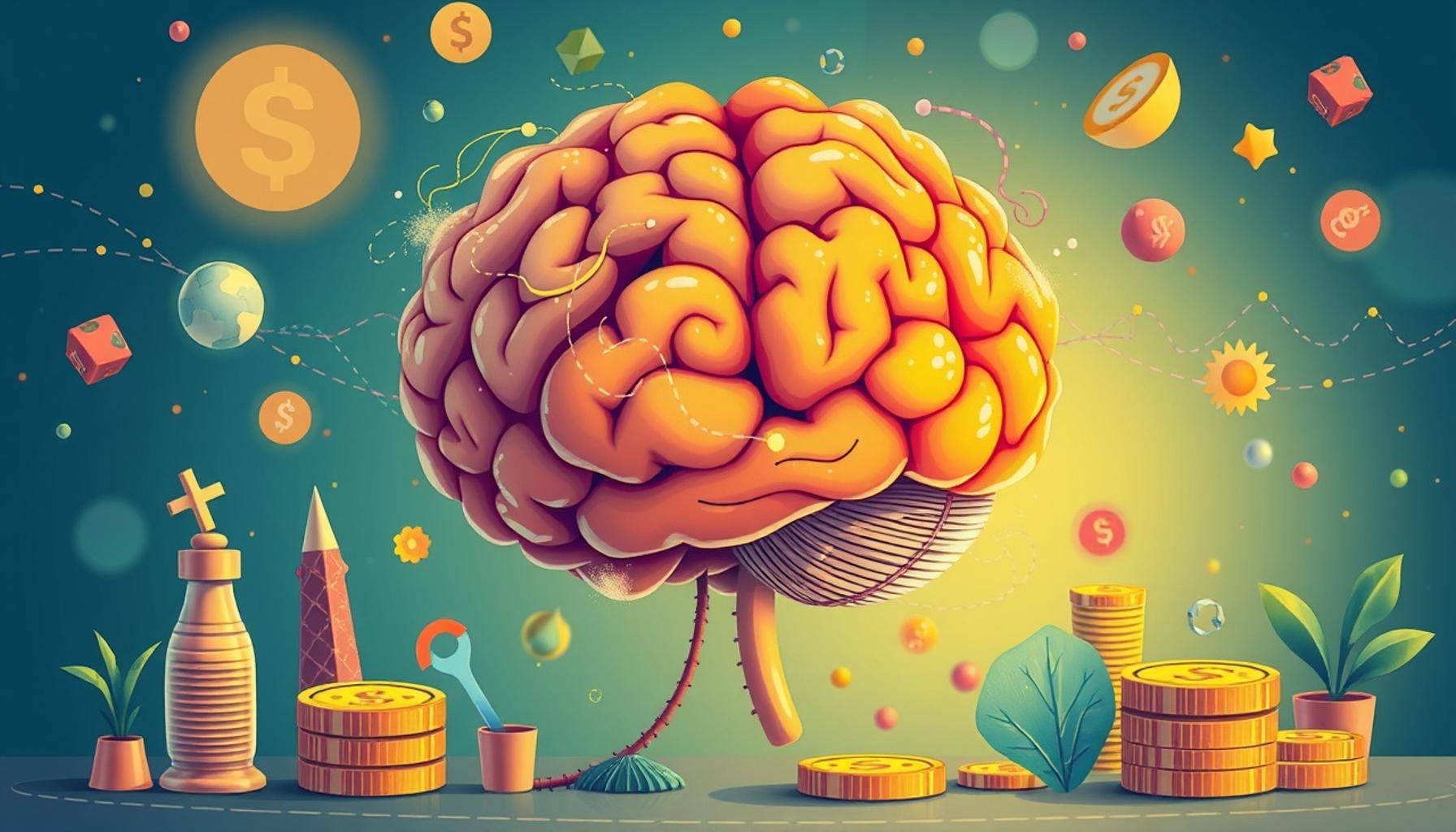
Understanding the Complex Interplay Between Memory and Age
As we journey through life, our memory undergoes a transformation that is intricately linked to our age. Traditionally, many have held the belief that memory declines with advancing years; however, recent studies paint a much more nuanced picture. This complexity underscores the importance of exploring how age interacts with memory improvement, particularly through the use of brain games.
The Connection Between Age and Memory
Age influences memory ability in multiple ways, shaped by several key factors:
- Neuroplasticity: This remarkable capacity of the brain to adapt and form new neural connections is vital at any age. For instance, older adults can still create new pathways through learning activities, demonstrating that the brain remains flexible and capable of growth.
- Cognitive Reserve: Developed through engaging in mentally stimulating activities like puzzles or reading, cognitive reserve refers to the brain’s ability to resist damage and maintain functionality despite age-related decline. For example, a 70-year-old who regularly plays chess or engages in social discussions might possess a stronger cognitive reserve than a peer who leads a more sedentary intellectual lifestyle.
- Experience: Memory use is significantly impacted by the wealth of knowledge and experiences accumulated over the years. Older adults may recall events and information uniquely due to their expansive life experiences, while younger individuals might struggle to remember things outside their immediate context.
Brain Games as Cognitive Tools
In recent years, brain games have emerged as popular resources designed to enhance cognitive functions across various age groups. They bring forth a host of benefits:
- Variety: These games encompass a wide range of activities—memory matching games, logic puzzles, and word challenges—that target different facets of memory and cognitive function.
- Accessibility: With the advent of digital technology, brain games are readily available online and as mobile applications, providing users with the chance to engage in cognitive exercises from the comfort of their homes.
- Engagement: The interactive formats of these games make learning not only productive but also enjoyable, which is essential for sustaining interest and motivation across all age groups.
Understanding the ways in which age affects the effectiveness of these games can shine a light on significant opportunities for cognitive enhancement, particularly for the elderly who may benefit greatly from such mental stimulation. Moreover, recent evidence indicates that brain games are beneficial not just for the aging population but also for younger individuals seeking to sharpen their memory skills. As researchers delve deeper into this field, we may find ourselves rethinking the potential for maintaining and even improving cognitive abilities at all life stages.
DISCOVER MORE: Click here to learn how board games can boost social skills in kids
How Age Modulates the Benefits of Brain Games
The relationship between age and memory enhancement through brain games is a multifaceted issue that invites examination from various angles. While mental agility often drops with age, newer research highlights the potential for improvement and resilience in cognitive skills through targeted gameplay. As individuals delve into brain games, their efficacy can vary significantly by age group, influencing both engagement levels and cognitive gains.
Differential Impact by Age Group
Understanding how age impacts the effectiveness of brain games requires looking at cognitive differences and specific benefits for various age categories:
- Young Adults: For younger players, brain games serve as a tool for sharpening memory and enhancing multitasking abilities. Studies suggest that consistent engagement with challenging games can lead to better attention span and quicker problem-solving skills, applicable to academic and professional settings.
- Middle-Aged Adults: This group often faces a cognitive plateau, where brain games can play a pivotal role in maintaining sharpness. Research indicates that regular participation in these activities correlates with sustained cognitive performance, particularly in areas such as verbal reasoning and memory retention.
- Older Adults: Perhaps the most significant beneficiaries of brain games are older adults, who may experience a notable increase in memory capacity and mental resilience. Findings from studies demonstrate that engaging in daily cognitive exercises can lead to observable improvements in episodic memory and executive function, essentially retraining the brain to adapt even as it ages.
This age-based differentiation underscores the importance of choosing appropriate brain games tailored to each group. For example, younger adults might prefer fast-paced and strategic games like Sudoku or chess, which offer a foundation for cognitive agility. In contrast, older adults may gravitate towards memory-matching games or cognitive quizzes that specifically target short-term recall and reasoning skills.
The Role of Game Design
The design of brain games is crucial in facilitating optimal cognitive enhancement. Games that are engaging yet challenging provide a better environment for learning and memory retention. Factors such as difficulty level, interactivity, and the ability to track progress can make a significant difference in their overall effectiveness. For instance, platforms that adapt difficulty based on user performance can keep participants motivated while ensuring appropriate cognitive stimulation.
Moreover, incorporating social elements, such as multiplayer options, can further enhance engagement across all age groups. Interaction with peers not only makes the games more enjoyable but also fosters social bonding, which is essential for mental well-being—especially for seniors who might be at risk of social isolation.
As the understanding of age-related cognitive enhancement evolves, the role of brain games will continue to expand. With tailored approaches and an appreciation of the varying impacts by age, these games hold promise as significant tools for enriching memory and overall cognitive function throughout life.
| Age Group | Benefits of Brain Games |
|---|---|
| Young Adults | Engaging in brain games sharpens problem-solving skills and boosts overall cognitive flexibility, which are important for academic and professional success. |
| Middle-Aged Individuals | These games help in maintaining optimal memory retention and encourage mental agility, thereby warding off potential cognitive decline. |
| Elderly | For seniors, brain games can stave off memory loss associated with aging, promoting neural connections and sustaining day-to-day independence. |
As individuals progress through different age groups, the impact of brain games on memory enhancement becomes increasingly significant. In young adulthood, engaging in brain games cultivates critical thinking abilities, essential for navigating today’s fast-paced environments. In middle age, the focus shifts towards preventing decline; brain games emerge as a proactive measure to enhance cognitive function, specifically in areas related to memory. As these individuals often juggle multiple responsibilities, their improved mental agility enables them to manage stress and maintain performance effectively.For the elderly, brain games serve an even more critical role in combating cognitive decline. Research indicates that stimulating activities can preserve memory and functionality, ensuring a better quality of life. Brain games create an opportunity for social interaction, which is equally important for mental well-being. Several researchers emphasize that these games, emphasizing fun and engagement, can be adapted for various age groups, thus ensuring compatibility with different levels of cognitive challenges. By creating a consistent routine of brain training, people can harness these cognitive benefits, reinforcing the adage that it’s never too late to enhance memory.
DISCOVER MORE: Click here to learn about the impact of digital games on children’s memory
Neuroscience Behind Memory Enhancement
As researchers delve deeper into the neuroscience behind brain games, fascinating insights emerge that explain how age influences memory enhancement. Neuroplasticity—the brain’s remarkable ability to reorganize and form new neural connections—plays a crucial role in how different age groups respond to cognitive challenges. While younger brains exhibit a high degree of adaptability, older brains can also harness neuroplasticity through brain games, defying the traditional narrative that aging inevitably leads to cognitive decline.
The Mechanisms of Memory Improvement
Scientific studies have provided a glimpse into the mechanisms through which brain games improve memory. For instance, engaging in regular cognitive exercises can increase the volume of gray matter in brain regions associated with memory and learning, such as the hippocampus. A study published in the Journal of Cognitive Neuroscience revealed that participants aged 60 and older who engaged in brain training showed notable improvements in processing speed and memory recall compared to their non-participating counterparts. These findings highlight that, regardless of age, the brain retains its capacity for improvement when engaged in stimulating activities.
Moreover, research conducted by the National Institute on Aging indicates that brain games can enhance not only memory but also attention and executive functions, critical for daily decision-making. By strategically presenting cognitive challenges, these games compel users to adapt and formulate effective strategies, promoting cognitive agility. This adaptability is particularly beneficial for older adults who often face challenges in impulse control and distractibility.
Real-World Applications of Brain Training
The implications of brain game research extend beyond academic inquiry into practical applications. Many technology companies are now developing targeted brain training applications tailored specifically for various age groups. For instance, programs designed for older adults often incorporate memory exercises with everyday scenarios, such as shopping lists or navigation tasks, thereby enhancing the relevance of activities and encouraging consistent engagement.
Moreover, organizations like Alzheimer’s Association have begun to advocate for the use of brain games as part of a comprehensive approach to cognitive well-being. They promote interactive and social gaming environments that not only foster memory enhancement but also serve to combat the social isolation frequently faced by seniors. Engaging in these games collectively can help build community support networks, which are vital for mental and emotional health.
Future Directions in Research
As the discourse surrounding brain games and age continues to evolve, future research is poised to explore the nuances of different gameplay mechanics and their unique contributions to memory enhancement. For instance, studies are beginning to focus on the effectiveness of gamification—applying game design elements in non-gaming contexts—across varied demographics. The potential of personalized brain games that adjust to individual skill levels and cognitive needs stands out as a promising avenue for research.
Furthermore, the integration of virtual and augmented reality technologies into brain games offers innovative pathways to stimulate the cognitive faculties of participants. These immersive experiences could boost engagement levels and maximize the brain’s response to challenge, particularly among older adults who might enjoy the novelty and novelty’s motivational pull.
In summary, as research illuminates the pathways through which age impacts memory enhancement via brain games, it becomes clear that these cognitive tools possess the power to benefit individuals across the lifespan. Through continued exploration and tailored approaches, the memory enhancement potential of brain games can be harnessed to promote cognitive health for all ages, further contributing to the collective understanding of aging and cognitive resilience.
DISCOVER MORE: Click here to dive deeper
Conclusion: Unlocking Memory Potential Across Ages
In summary, the ongoing research into the impact of age on memory enhancement through brain games is illuminating the profound potential of cognitive exercises for individuals at every stage of life. These neuroplasticity-driven tools not only challenge and engage the brain but also offer significant improvements in memory, attention, and executive functions, particularly among older adults. As studies have shown, consistent engagement in brain games can yield tangible cognitive benefits, showcasing that the brain’s capacity for growth remains robust regardless of age.
Moreover, the practical implications of this research are empowering. By integrating brain training games into daily routines, older adults can bolster their cognitive health while simultaneously fostering social connections—an essential component of emotional well-being. Organizations like the Alzheimer’s Association underscore the importance of these cognitive activities in combating social isolation and enhancing quality of life.
Looking ahead, the future of brain games holds exciting possibilities. The incorporation of personalized gaming experiences and advanced technologies promises to further enhance engagement and effectiveness. As our understanding deepens, we are likely to uncover even more innovative strategies that cater to individual cognitive needs.
Ultimately, harnessing the power of brain games can significantly contribute to cognitive resilience and lifelong memory enhancement. Encouraging people of all ages to explore these tools may pave the way for healthier aging and improved mental agility well into the later stages of life. As we continue to unlock the potential of the mind, brain games emerge not just as tools for entertainment, but as vital allies in the pursuit of cognitive health.