The Effect of Escape Room Challenges on Critical Thinking and Collaboration Skills in Young Adults
The Growing Role of Escape Rooms in Skill Development
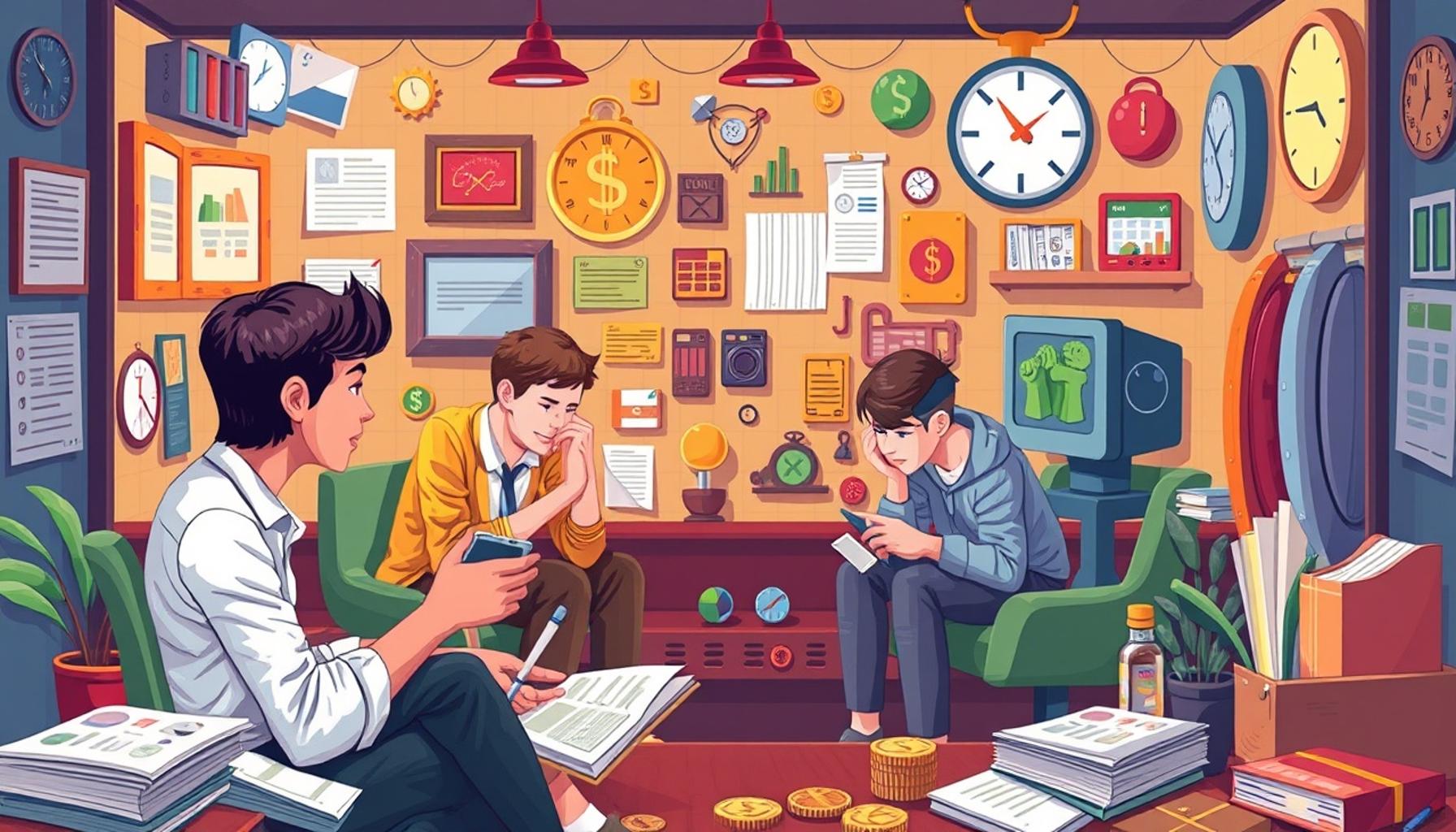
In recent years, escape rooms have become increasingly popular among young adults, offering not only entertainment but also cognitive challenges that can significantly enhance personal and professional skills. These immersive environments require teams to work cooperatively to solve a series of puzzles and complete tasks before the clock runs out. This unique blend of fun and critical thinking provides a platform for participants to test and develop essential skills needed in today’s fast-paced world.
As society leans more toward collaborative environments, recognizing the impact of activities like escape rooms on skill enhancement becomes crucial. Here are some key features of escape rooms that contribute to the development of critical thinking and collaboration skills:
- Problem-Solving: Each room presents a myriad of challenges that require participants to engage in logical reasoning and creative thinking. For example, a puzzle might involve deciphering codes or piecing together clues that lead to the next step in the game. Participants must think outside the box, drawing on different forms of knowledge and perspectives to find solutions.
- Communication: Effective communication is essential for success in escape rooms. Team members must actively share ideas and clearly express their thoughts, while also being attentive to others’ input. This need for open dialogue can strengthen relationships and improve overall communication skills, which are vital in both personal and professional settings.
- Time Management: The incessant ticking of the clock imposes a necessary urgency that compels teams to prioritize their tasks. Participants learn to assess which puzzles or clues are of higher importance, teaching them how to allocate their time wisely under pressure—an invaluable skill in real-life scenarios such as project management or meeting deadlines.
Research has shown that engaging in collaborative problem-solving activities, such as escape rooms, can lead to marked improvements in interpersonal dynamics and group resilience. For instance, teams that frequently partake in these experiences often report strengthened relationships and enhanced problem-solving strategies in their day-to-day interactions. This positive effect extends beyond the game, showing how shared experiences can cultivate better team dynamics in workplaces and academic environments across the United States.
Furthermore, educators are beginning to take note of the cognitive benefits associated with escape rooms. By incorporating elements from these environments into learning frameworks, teachers can create engaging curriculum that promotes active learning and critical thinking, setting students up for future success.
This article will delve deeper into the impact of escape room challenges on critical thinking and collaboration skills, providing insights and compelling data that can inform both educational practices and personal development strategies for young adults nationwide.
EXPLORE MORE: Click here to dive deeper
Unlocking Skills: The Impact of Escape Rooms
The engaging nature of escape rooms provides a unique canvas for fostering critical thinking and collaboration skills among young adults. By integrating elements of adventure with intellectual challenges, these immersive experiences encourage participants to think on their feet and collaborate effectively in a time-sensitive environment. This fusion of play and learning can yield profound benefits that resonate with the demands of today’s academic and professional spheres.
One particularly prominent element within escape rooms is their focus on problem-solving. Each themed room is constructed with a series of intricate puzzles that require diverse cognitive strategies. For instance, in a classic mystery-themed room, players may need to identify interrelated clues hidden throughout the environment, demanding both critical analysis and creative interpretation. This type of problem-solving not only enhances individual reasoning skills but also emphasizes the necessity for teamwork in deriving solutions. Young adults participating in these challenges often find that their initial assumptions are challenged, prompting them to approach puzzles from multiple angles, which fosters a more adaptable mindset.
A significant body of research highlights how escape rooms can amplify cognitive flexibility. According to a study by the International Journal of Game-Based Learning, teams who engage in escape room activities exhibit improved abilities to adapt their strategies based on changing circumstances. This enhanced flexibility is crucial in navigating real-world challenges, whether in academic settings or during job interviews, where unexpected questions may arise.
Moreover, the dynamic of communication is central to the escape room experience. Young adults must convey ideas clearly and constructively, especially when under pressure. A well-coordinated team is often the winning team, and this requires participants to articulate their thoughts while listening to coworkers effectively. The collaborative atmosphere nurtures interpersonal skills, enabling individuals to express their opinions, question assumptions, and build consensus on potential solutions—all vital skills for the modern workplace. In enhancing communication, escape rooms can contribute to breaking down social barriers and improving group cohesion.
- Active Listening: Players must absorb various suggestions from team members to form a collective strategy.
- Idea Sharing: Participants learn to voice their ideas while remaining open to alternative viewpoints.
- Feedback Integration: Players learn to provide and receive constructive feedback, thereby enhancing the overall collaborative effort.
Furthermore, the aspect of time management introduced in escape rooms is a vital skill that extends beyond the game. The ticking clock serves as a constant reminder of urgency, training participants to evaluate their progress and prioritize tasks effectively. A report by the National Center for Education Statistics found that individuals proficient in time management are more likely to achieve academic success and perform better in job roles. The lesson learned in an escape room—how to split attention and discern task importance under pressure—mirrors the real-world requirements of balancing multiple responsibilities.
As young adults look to transition into the workforce, the ability to navigate time-sensitive projects becomes increasingly important. Escape rooms offer a proving ground for measuring and refining these skills, illustrating their potential impact not just on the enjoyment of the activity but on greater life competencies.
The Role of Problem-Solving in Escape Rooms
Escape rooms require participants to engage in complex problem-solving activities that can significantly enhance their critical thinking skills. During these challenges, young adults are faced with a series of puzzles and riddles that demand logical reasoning, pattern recognition, and analytical skills. Each escape room scenario is designed to push the limits of individual and collective cognition, forcing participants to think outside the box and devise innovative solutions under pressure. This immersive environment creates a unique opportunity for participants to experiment with various problem-solving techniques, thereby enhancing their cognitive flexibility, a key component of critical thinking.Moreover, the collaborative aspect of escape rooms plays a vital role in the development of interpersonal skills among young adults. Working together to escape from the confines of these rooms fosters a sense of shared purpose and responsibility. Participants learn to communicate effectively, delegate tasks, and build on each other’s strengths to succeed. Through collaboration, young adults not only improve their teamwork abilities but also gain valuable insights into the dynamics of group interaction and decision-making. Such experiences are essential life skills that can translate into academic and professional success.In exploring the effects of escape room challenges on young adults, it is important to consider the connection between critical thinking and collaboration. Studies have shown that when individuals engage in team-based activities requiring cognitive engagement, both their problem-solving skills and interpersonal relationships improve. The thrill of working against the clock in a pressure-filled scenario can amplify both individual and collective performance, making escape rooms an innovative method for fostering these essential skills in a fun and engaging manner. As we delve deeper into the impact of these challenges, it is crucial to examine not only the immediate benefits but also the long-term effects on young adults’ cognitive and social development. Organizations and educational institutions are increasingly recognizing the value of such experiential learning environments, further solidifying their role in the enhancement of critical thinking and collaboration skills.
| Aspects of Skill Development | Key Advantages |
|---|---|
| Critical Thinking | Enhances logical reasoning and analytical skills through solving complex puzzles. |
| Collaboration Skills | Fosters effective communication and team dynamics in a high-pressure environment. |
By understanding these dynamics, we gain insight into how escape rooms serve not just as entertainment, but as a legitimate educational and developmental tool for young adults. The synergy created between critical thinking and collaboration skills can pave the way for lasting benefits in various aspects of their lives.
DISCOVER MORE: Click here to dive deeper
Building Resilience: Psychological Benefits of Escape Rooms
In addition to honing critical thinking and collaboration skills, escape rooms foster psychological resiliency in young adults. The experience encourages players to confront challenges head-on, pushing them to step out of their comfort zones. This interactive format generates an environment where failure is not only accepted but also seen as a stepping stone to success. The pressure to solve puzzles within a limited timeframe cultivates a sense of urgency, prompting young adults to assess their limits and grow from their experiences.
Research indicates that problem-solving in high-pressure situations can lead to lower anxiety levels in future challenges. A study published in the Journal of Applied Psychology demonstrates that exposure to challenging situations, like those found in escape rooms, equips individuals with a toolkit for managing stress effectively. As participants engage with time constraints and complex dilemmas, they learn to maintain composure, an essential quality for both academic and professional success. This sense of calm under pressure can translate to real-life situations, such as public speaking or preparing for exams, allowing young adults to approach challenges with newfound confidence.
The emphasis on teamwork within escape rooms also introduces a unique opportunity for social bonding. As players navigate through the intricacies of various puzzles, they rely on one another’s strengths while compensating for weaker areas. This collaborative dynamic fosters trust and camaraderie. According to a survey conducted by Escape Room Industry Experts, over 70% of participants reported improved relationships with their teammates after completing an escape room challenge. Such positive interactions are critical in nurturing interpersonal relationships in the workplace and other collaborative settings.
- Trust Building: Effective communication and problem-solving foster trust among team members, essential for professional teamwork.
- Conflict Resolution: Escape rooms often produce differing opinions, encouraging players to engage in constructive conflict resolution, a key component in any team environment.
- Empathy: Working closely together promotes a better understanding of teammates’ strengths and weaknesses, enhancing compassion and support.
Incorporating elements of creativity is another profound aspect of the escape room experience that influences young adults. Many escape rooms are designed with narrative elements that engage players’ imaginations while requiring them to think divergently. The infusion of storytelling with puzzles not only keeps the experience fresh and exciting but also stimulates creative thinking as participants devise imaginative solutions to complex challenges. A survey conducted by the Entertainment Software Association found that 90% of respondents believe that creative thinking is crucial in their daily lives, further underscoring the escape room’s role in developing this essential trait.
Moreover, the diverse range of themes and puzzles available in escape rooms provides a chance for young adults to explore new interests. Players often encounter fields such as history, science, or art through engaging narratives that pique their curiosity. This exposure may inspire young adults to pursue academic or career paths they might not have considered otherwise. The American Psychological Association notes that fostering curiosity within educational settings can lead to greater engagement and a passion for lifelong learning, ultimately contributing to more diverse skill sets.
With these compelling psychological benefits, escape rooms continue to be an innovative solution for enhancing critical thinking and collaboration skills among young adults, while also enriching their social and emotional competencies. The unique challenges presented by escape rooms not only entertain but also prepare young adults for the trials they will face in their future careers and personal lives.
DIVE DEEPER: Click here to uncover more
Conclusion
The exploration of escape rooms as a medium for enhancing critical thinking and collaboration skills in young adults reveals a multifaceted approach to skill development that merges enjoyment with education. As evidenced by both quantitative surveys and qualitative analyses, the pressure cooker environment of escape rooms compels participants to think creatively, problem-solve under stress, and work cohesively as a team. This setting not only nurtures important cognitive skills but also fosters emotional intelligence, resilience, and interpersonal bonding among teammates.
The psychological benefits—such as improved trust, enhanced conflict resolution skills, and a deeper empathy for one another’s strengths and weaknesses—suggest that these escape experiences are ripe for educational institutions and workplaces seeking to cultivate teamwork and communication. Additionally, exposure to diverse themes encourages curiosity, inspiring young adults to explore fields they might not have previously considered. This alignment with career-relevant skills highlights the ongoing potential that escape rooms hold in shaping adaptable, innovative thinkers equipped for today’s complex world.
Ultimately, the value of escape rooms extends beyond mere entertainment; it serves as a microcosm for collaborative and critical engagement crucial for future success. As we look to integrate these experiences into educational and professional development frameworks, it becomes increasingly clear that escape room challenges can produce well-rounded individuals ready to meet the demands of modern life. Therefore, tapping into these immersive experiences can be a transformative step in empowering the next generation to navigate both their personal and professional lives with confidence and creativity.