The Cultural Impact of Puzzles: How Different Cultures Approach Mental Challenges
The Enduring Allure of Puzzles
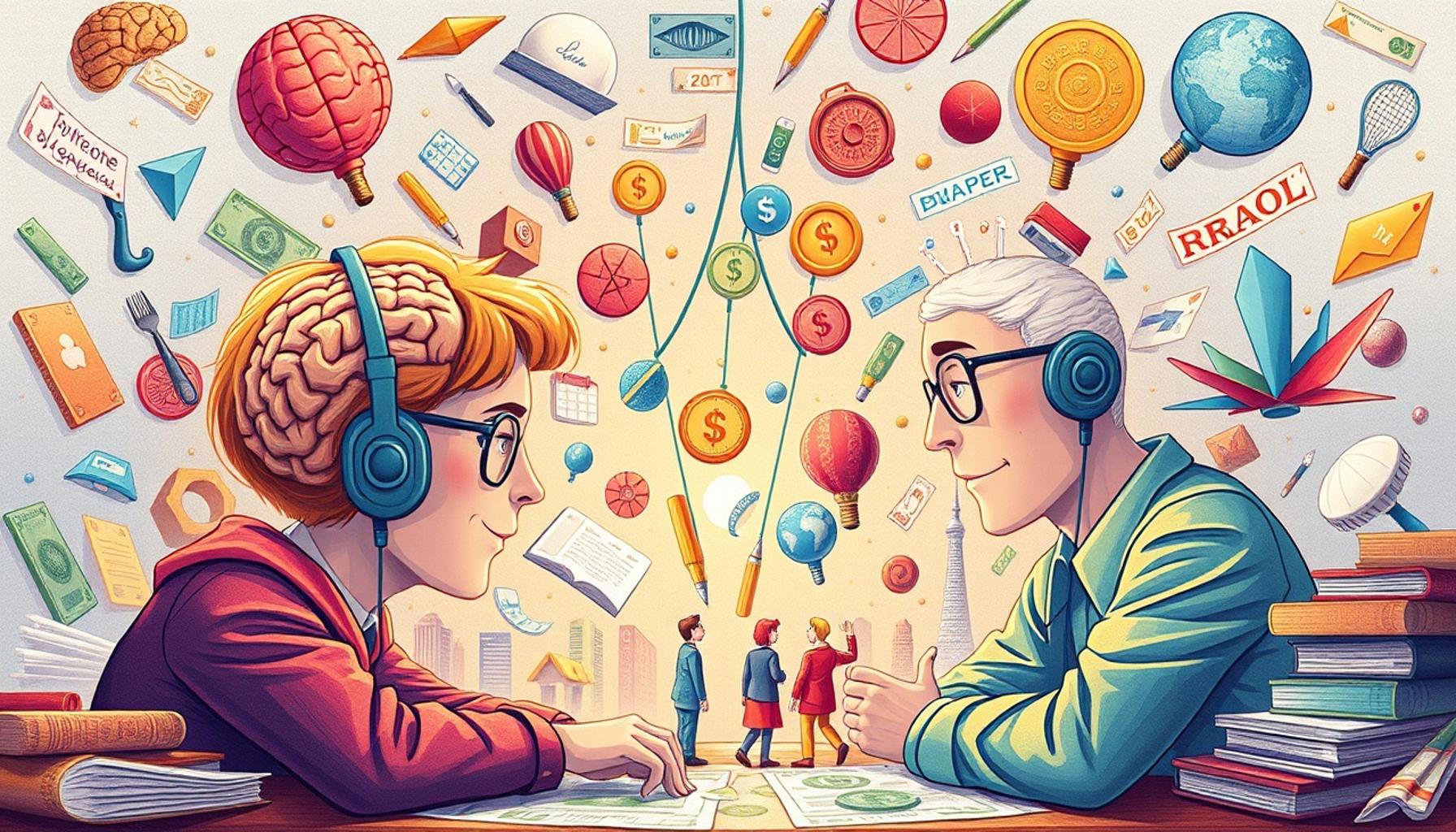
Puzzles have been an integral part of human culture, captivating individuals not only as a means of entertainment but also as a stimulating mental challenge. Their universal appeal can be largely attributed to their ability to engage our brains, sparking curiosity and offering opportunities for discovery. Throughout history, different cultures have embraced puzzles in varied forms, reflecting their values and problem-solving approaches. By understanding how diverse societies engage with puzzles, we not only recognize their entertainment value but also acknowledge them as essential cultural artifacts that shape our cognitive skills and social interactions.
Why Puzzles Matter
The cultural significance of puzzles transcends mere amusement, influencing various dimensions of society:
- Education: In many educational contexts, puzzles are used as effective teaching tools. For example, teachers often integrate crossword puzzles into language lessons to enhance vocabulary retention and foster critical thinking. This method encourages students to make connections between words and concepts, promoting an active learning environment.
- Community: Puzzles are commonly seen as communal activities. Whether it’s a family coming together to solve a jigsaw puzzle at home or participants engaging in a collaborative escape room challenge, these activities strengthen social bonds and create shared experiences that help develop teamwork and communication skills.
- Artistry: Many puzzles also embody artistic expression. For instance, intricate jigsaw puzzles featuring masterpieces from renowned artists like Van Gogh not only challenge our problem-solving abilities but also celebrate cultural heritage and storytelling through visual art.
Diverse Forms of Puzzles
Different cultures offer their unique interpretations of puzzles, which enriches our understanding of this multifaceted activity:
- Crossword puzzles: An iconic feature in American newspapers, these puzzles blend vocabulary with deductive reasoning. Popularized during the 20th century, crosswords have become a daily ritual for many, nurturing a love for language and enhancing mental acuity.
- Riddles: Deeply rooted in African folklore, riddles serve not only as entertainment but also as a means of cultural transmission. These witty verbal challenges require imaginative thinking and can often convey moral lessons, thus enriching the cultural knowledge of communities.
- Logic puzzles: Predominantly emphasized in East Asian cultures, logic puzzles such as Sudoku challenge solvers to apply methods of deduction. These puzzles promote analytical skills and are often seen as a mental discipline, contributing to the cognitive development of individuals.
Exploring these diverse approaches to puzzles invites us to delve deeper into the intricate relationship between cognitive challenges and cultural identity. As we unravel the rich tapestry woven by puzzles, we discover that they are more than just entertaining pastimes; they are vital elements that shape our cognitive landscape and reflect our societal values. From enhancing educational practices to fostering community ties, puzzles continue to play a significant role in a rapidly changing world.
Understanding the Significance of Puzzles Across Cultures
The cultural impact of puzzles transcends geographical borders and social classes, leading to a rich diversity of mental challenges that reflect the distinctive values and traditions of various societies. By examining the importance of puzzles in different cultures, we can appreciate how these engaging activities contribute to the cognitive development, social cohesion, and educational practices unique to each community.
The Role of Puzzles in Cognitive Development
Puzzles serve as powerful cognitive tools, enabling individuals to hone their problem-solving abilities, enhance logical reasoning, and improve memory retention. In cultures around the world, these activities are tailored to the beliefs and practices that define them. For instance, Japanese culture places significant value on logical reasoning, evidenced by the popularity of Sudoku. This number-placement game fosters analytical skills, serving as a form of mental exercise that is both challenging and rewarding. Many individuals in Japan view Sudoku as a daily ritual, a testament to the enduring connection between cognitive puzzles and routine mental training.
Meanwhile, in Western societies, the evolution of puzzles like crosswords has illustrated the changing landscape of language and culture. American newspapers have long featured crossword puzzles, popularized in the 20th century, becoming a staple in countless households. This crossword tradition not only strengthens vocabulary and spelling skills but also fosters community connections, as friends and family often participate together, sharing knowledge and laughter in the process.
Puzzles as Instruments of Cultural Transmission
Puzzles also play a critical role in preserving cultural heritage and history. In many Indigenous and African communities, riddles and brain teasers are utilized as oral storytelling devices, conveying cultural lessons and values through playful interactions. These riddles facilitate creativity and imagination while passing down wisdom and teachings from one generation to the next. For example, children growing up in African cultures are often challenged with riddles that encourage them to think critically and cultivate a deep understanding of their community’s norms and values.
- Community Building: Puzzles create opportunities for individuals to engage with one another, whether through collaborative jigsaw puzzles that require teamwork or escape room challenges that promote collective problem-solving.
- Cognitive Challenges: Engaging with a variety of puzzles helps to develop different aspects of cognitive function. Logic puzzles, for instance, focus on reasoning, while word games emphasize language skills.
- Entertainment and Leisure: Beyond their educational and social contributions, puzzles serve as a source of entertainment, offering enjoyment and relaxation at the end of a long day—a universal truth shared across cultures.
By exploring the various dimensions of puzzles and their cultural significance, we gain valuable insight into the interconnectedness of cognitive challenges and the rich tapestry of human experience. In doing so, we uncover underlying themes of shared values, critical thinking, and community engagement that resonate across borders and traditions, revealing how puzzles are not merely pastimes but vital elements interwoven into the fabric of cultural identity.
The Cultural Impact of Puzzles: How Different Cultures Approach Mental Challenges
Puzzles have long been a means of entertainment, education, and mental stimulation across various cultures. Each tradition introduces unique forms of puzzles that reflect its values, norms, and cognitive approaches. For instance, in Japan, sudoku and nonograms, also known as picross, engage participants in logic-based challenges that develop problem-solving skills. These puzzles are not only recreational; they are mental workouts that promote cognitive flexibility and resilience.
In contrast, Chinese culture holds a rich history of riddles and brain teasers known as “谜语” (míyǔ), which incorporate language play and lateral thinking. These riddles often encourage critical thinking and creativity, highlighting the importance of language nuances and cultural context. The practice of resolving these puzzles forms bonds between generations, making it a cultural pastime that enhances familial ties and communication skills.
Moreover, the Western world has popularized jigsaw puzzles, often associated with relaxation and social interaction. Engaging in the assembly of visually captivating pieces can foster attention to detail, spatial reasoning, and teamwork. These puzzles create opportunities for shared experiences that strengthen social relations, making them integral to family gatherings and community events.
As we traverse through various cultures, it becomes evident that puzzles transcend mere entertainment. They serve as platforms for cognitive development, social interaction, and cultural transmission, illuminating how diverse human experiences shape mental challenges.
| Category | Insights |
|---|---|
| Japanese Puzzles | Incorporates logic challenges like sudoku, enhancing problem-solving. |
| Chinese Riddles | Encourages creative thinking and cultural bonding through language. |
| Western Jigsaw | Focuses on social interaction and teamwork, fostering family unity. |
The Social Dynamics of Puzzles in Different Cultures
The cultural impact of puzzles extends beyond mere cognitive engagement; they also serve as a means of fostering social bonds and connections. In a world that often prioritizes individualism, puzzles encourage collaborative efforts, highlighting the communal aspects that various societies cherish. By examining specific examples from around the globe, we can better understand how puzzles act as social glue, bridging divides and fostering relationships.
Puzzles as Catalysts for Social Interaction
In cultures where community is held in high regard, puzzles become significant tools for social interaction. For instance, in Latin American countries, traditional games like Lotería, a game akin to bingo that utilizes colorful images and symbols, engage not only individuals but entire families. Players gather around to compete, share stories, and enjoy each other’s company, all while participating in a pastime that has historical roots embedded in cultural symbolism. The act of playing Lotería transcends competition; it fosters unity, laughter, and mutual respect among participants, highlighting the integral role these games play within family structures and social networks.
In contrast, the escape room phenomenon has taken the United States by storm, blending entertainment with teamwork. Escape rooms require groups to collaborate closely to solve puzzles and riddles within a set timeframe, often drawing on skills ranging from logic to creative thinking. These immersive experiences create a unique opportunity for bonding, as individuals share a space and work harmoniously toward a common goal. It’s a modern take on traditional gaming that encapsulates the human desire for connection while emphasizing the value of collaborative problem-solving.
The Educational Role of Puzzles in Various Cultures
Education systems worldwide also integrate puzzles to enhance learning experiences, reflecting the cultural values they promote. In Scandinavian countries, for example, puzzles are often incorporated into early childhood education as tools for developing critical thinking skills and independence. Through hands-on activities and problem-solving exercises, children are encouraged to explore their surroundings, fostering a sense of curiosity and creativity that aligns with the region’s emphasis on holistic education.
Conversely, in Chinese culture, traditional puzzle games such as Tangrams serve not only to entertain but also to instill values of patience and persistence in young learners. The geometric shapes of Tangrams challenge children to visualize, manipulate, and experiment with space, skills that are valuable in numerous fields including mathematics and engineering. As children work with these puzzles, they are also absorbing cultural principles that stress the importance of diligence and respect for learning.
- Symbolism in Puzzles: Many puzzles are imbued with symbolism relevant to their culture. For instance, in Native American traditions, puzzles may reflect natural elements or stories, reinforcing cultural identity.
- Heritage Skills: Puzzles can preserve artisanal skills, as seen in the intricate designs of Japanese puzzles that reflect craftsmanship and attention to detail.
- Family Traditions: Special family puzzles, tailored to important events or shared memories, can become cherished heirlooms, symbolizing the enduring value of familial bonds.
Puzzles are more than just mental challenges; they are expressions of cultural values that shape social dynamics, educational methodologies, and family interactions in ways that resonate across generations. By understanding these varying applications, we uncover the profound ways in which puzzles connect individuals to their cultural identities and to each other, revealing the universal truths binding humanity together through shared experiences and challenges.
Conclusion: The Cross-Cultural Significance of Puzzles
As we delve into the cultural impact of puzzles, it becomes evident that these engaging challenges do far more than entertain; they represent a rich tapestry of values, traditions, and social dynamics that vary widely across different cultures. From the collaborative spirit exhibited in Latin American games like Lotería to the immersive teamwork experiences offered by American escape rooms, puzzles are deeply intertwined with communal and familial bonds. They facilitate connection in an increasingly individualistic world, leveraging the power of shared goals to strengthen relationships.
Additionally, the educational roles of puzzles underscore their significance in shaping young minds. Whether through the hands-on learning prevalent in Scandinavian approaches or the patience and persistence fostered by Tangrams in Chinese culture, puzzles are tools that equip children with essential cognitive skills while transmitting cultural values. This underscores puzzles’ dual role as both educational instruments and cultural artifacts.
Ultimately, by exploring the intricate ways in which different cultures approach mental challenges, we appreciate puzzles not just as leisure activities but as pivotal elements that foster cultural identity, community, and learning. In our fast-paced society, embracing puzzles might not only connect us to our roots, but also offer moments of joy and collaboration that transcend cultural boundaries. Thus, as we engage with puzzles in their myriad forms, we embolden the cultural narratives they encapsulate and the shared human experience they promote. The next time you embark on a puzzle, consider the deeper connections and cultural stories that lie within each piece.