The Connection Between Puzzles and Creativity: Stimulating Out-of-the-Box Thinking

Exploring the Dynamics of Puzzles and Creative Thought
Have you ever wondered why puzzles hold the key to unlocking the mind’s creative potential? Engaging with puzzles is more than just a pastime; it reflects a fascinating intersection of logic and imagination. These activities stimulate various cognitive abilities, ultimately promoting out-of-the-box thinking that can enhance our problem-solving skills in everyday life.
Consider these aspects of puzzles and their influence on creativity:
- Variety of Types: The world of puzzles is vast, encompassing everything from jigsaw puzzles, where the goal is to fit pieces together to create a complete picture, to crosswords that challenge our vocabulary and knowledge of various subjects. Each type encourages different cognitive pathways. For instance, Sudoku relies on numerical logic, while logic-based puzzles enhance deductive reasoning. This diversity not only caters to individual preferences but also exercises multiple areas of the brain, providing a well-rounded cognitive workout.
- Problem-Solving Skills: Puzzles present unique challenges that require innovative solutions, fostering a mindset that thrives on exploration. For example, when faced with a particularly difficult crossword clue, one might consider synonyms, related meanings, or even lateral thinking strategies that might not initially seem relevant. Such problem-solving exercises can translate to real-world situations, encouraging individuals to approach challenges with a creative mindset.
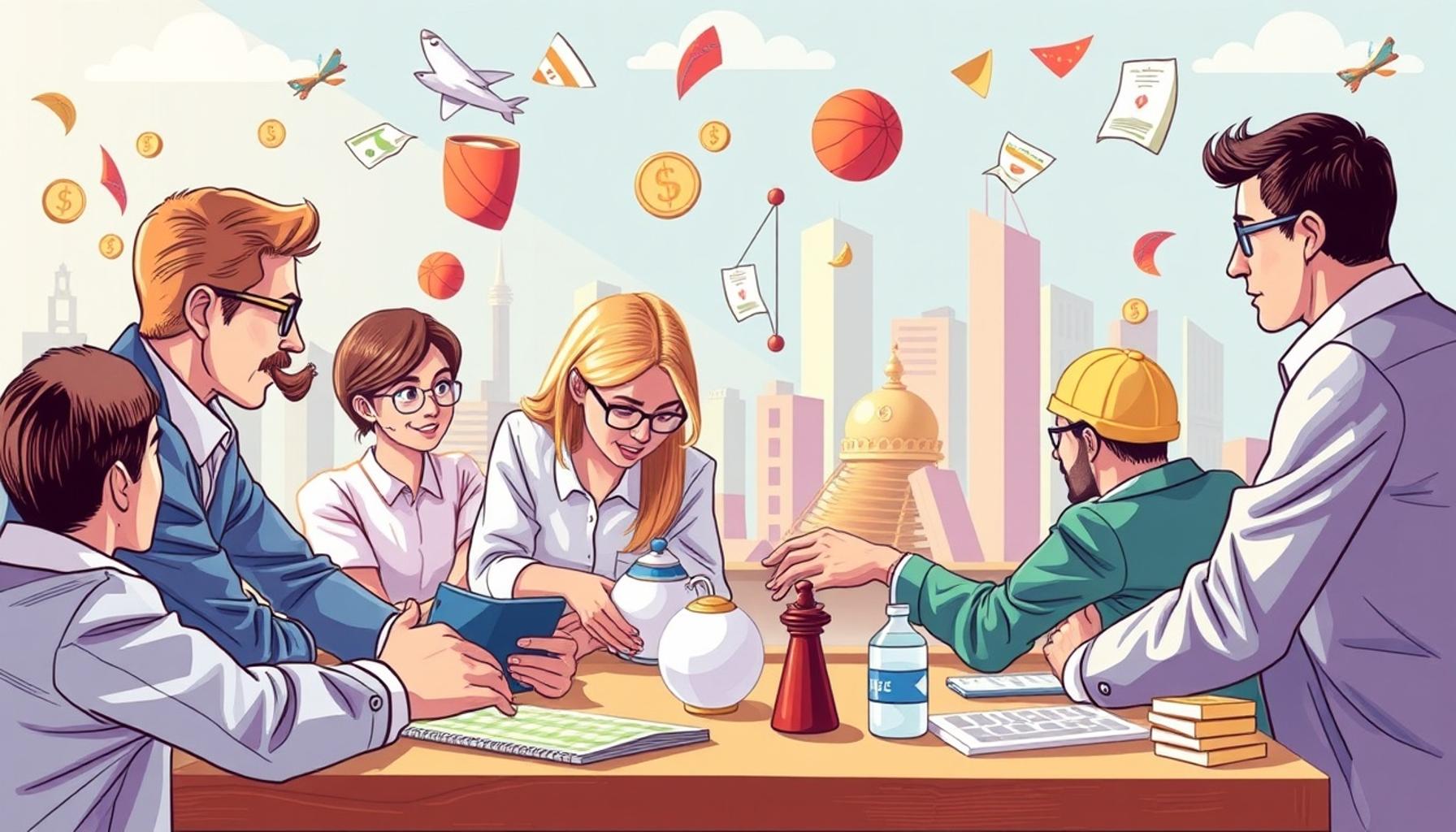
- Collaboration: Many puzzles, such as escape room challenges or team-based puzzle competitions, are designed to be solved in groups, encouraging communication and collective brainstorming. Working alongside others not only exposes individuals to different problem-solving styles but also allows for the sharing of diverse perspectives, which can lead to innovative ideas and solutions. In schools and workplaces, this collaborative approach nurtures teamwork and creativity, essential skills in our interconnected world.
Research reinforces the notion that engaging with puzzles can enhance certain areas of the brain. A study from the University of Exeter revealed that older adults who regularly engaged in puzzles exhibited a slower cognitive decline than those who did not, highlighting the importance of mental stimulation. This mental workout helps build neural connections that support creativity, making it essential for anyone looking to bolster their imaginative thinking.
In the dynamic landscapes of education and entertainment, puzzles have carved out a niche that promotes not just enjoyment but significant brain development. Educational institutions increasingly incorporate puzzles into their curricula to stimulate critical thinking skills. As we delve deeper into this connection, we will uncover how embracing puzzles can lead to richer creative experiences and innovative ideas that resonate across various domains of life.
The Cognitive Benefits of Puzzles on Creative Thinking
Puzzles, whether they are intricate jigsaw designs or complex riddles, engage the brain in a compelling way that actively fosters creativity. These challenges require not only analytical reasoning but also an imaginative approach to problem-solving. Through this engagement, individuals develop skills that are crucial for out-of-the-box thinking.
One standout aspect of puzzles is their ability to enhance cognitive flexibility. When working on a puzzle, individuals often need to switch between different strategies. For example, a player solving a 3D puzzle may need to view it from multiple angles—physically manipulating pieces while mentally reorienting their perspective. This practice helps strengthen neural pathways, making it easier for the brain to toggle between ideas and generate new concepts. By regularly challenging oneself with puzzles, people can nurture their cognitive flexibility, a critical component of creative thought.
Moreover, puzzles serve as a conduit for intrinsic motivation, a crucial driver for creativity. Engaging with a puzzle often creates a sense of flow—a state where individuals lose track of time as they focus completely on the task at hand. This immersion can enhance one’s ability to think creatively, as it fosters an environment where exploration and innovation can occur without the fear of failure. Scientists and researchers, including those from Stanford University, argue that this kind of focused engagement can lead to deeper, more original ideas and solutions in various fields.
The Role of Challenges in Enhancing Creativity
Puzzles inherently involve challenges, and it is through overcoming these obstacles that individuals sharpen their creative faculties. When faced with a particularly vexing puzzle, an individual must recall previous knowledge, consider alternative approaches, and sometimes even enlist help from others. This process not only sharpens problem-solving skills but also builds resilience—the ability to keep trying when initial attempts falter.
Here are a few ways challenges presented by puzzles can bolster creative thinking:
- Promotion of Diverse Thinking Styles: Each puzzle demands different skills and ways of thinking, encouraging individuals to adapt their strategies based on the specific demands of the task.
- Creation of Personal Strategies: Solving puzzles often leads to the development of individual strategies, fostering a deeper understanding of one’s thought processes, which can directly contribute to creative output.
- Enhancement of Persistence: The frustration of a challenging puzzle can cultivate patience and persistence, qualities that are immensely beneficial when pursuing creative projects.
As we continue to explore this intriguing relationship between puzzles and creativity, it becomes clear that these activities are not merely mental exercises; they are fundamental tools for cultivating imaginative thinking. By delving into puzzles, individuals not only enjoy an engaging pastime but also lay the groundwork for enhanced creativity that can permeate various aspects of their lives.
| Advantages | Details |
|---|---|
| Enhances Problem-Solving Skills | Engaging with puzzles teaches effective strategies for overcoming obstacles, a vital skill in any creative process. |
| Boosts Memory and Cognitive Function | Regular puzzle-solving enhances memory retention and cognitive flexibility, which are essential for innovative thinking. |
| Encourages Divergent Thinking | Puzzles push individuals to explore multiple solutions, prompting out-of-the-box ideas that can lead to breakthroughs. |
| Promotes Relaxation and Stress Relief | Engaging in puzzles can provide a mental break, fostering a creative environment free from stress that encourages innovative thoughts. |
The interplay between puzzles and creativity holds significant promise for enhancing cognitive functions. Engaging with various puzzles not only improves problem-solving skills, a crucial asset in any creative workspace, but also nurtures an ability to navigate challenges with innovative strategies. Research indicates that exposure to challenging puzzles results in improved memory retention and cognitive flexibility, setting the stage for creative breakthroughs. Moreover, as individuals delve into complex puzzles, they frequently encounter scenarios that require transcending traditional thought patterns. This engagement nurtures divergent thinking, where alternative solutions flourish. Such a fertile ground for creative ideas fosters an atmosphere conducive to fresh perspectives. In addition, the act of solving puzzles promotes relaxation, providing an escape from stressors while stimulating creativity, ultimately encouraging individuals to explore new concepts unhindered by external pressures. Embracing puzzles may very well be a stepping stone to unlocking a more creative mindset.
The Psychological Impact of Puzzles on Creative Exploration
The psychological dimensions of engaging with puzzles extend beyond cognitive flexibility and intrinsic motivation. Puzzles serve as a unique tool for facilitating creative exploration, as they create a sandbox where individuals can test hypotheses, make mistakes, and iterate their ideas. This process mirrors the trial-and-error method often seen in artistic endeavors and scientific inquiries, offering individuals the opportunity to experiment with different solutions and perspectives.
Recent research from the University of Virginia highlights that the act of puzzle-solving can enhance what is known as divergent thinking. Divergent thinking is the ability to generate multiple solutions to a given problem, an essential trait of creative individuals. Participants who engaged in puzzle-related activities demonstrated a notable increase in their ability to think broadly and connect seemingly unrelated concepts. This cognitive leap can be particularly beneficial in professional fields that rely on innovation, such as technology and marketing, where finding unique solutions is paramount.
The Social Aspect of Puzzle Solving
Another layer to the connection between puzzles and creativity is the collaborative nature of many puzzle challenges. Group puzzles, whether in the form of escape rooms or collaborative jigsaw tasks, bring people together to share ideas. This collaborative environment allows for social interaction, fostering a sense of community among jigsaw enthusiasts or puzzle competitors. Many studies suggest that the sharing of ideas during group problem-solving can lead to stronger creative outcomes.
Team members often contribute diverse approaches, which can inspire creative breakthroughs and spur new innovations. Working with others not only helps in pooling resources and skills but also encourages a culture of peer feedback—a key component in the creative process. The interaction may lead to novel solutions that may not have surfaced in solitary contemplation, showing how social dynamics can enhance creativity.
The Role of Playfulness in Fostering Innovation
Engaging with puzzles also taps into the inherent human inclination for playfulness. The playful nature of puzzles fosters an environment where individuals feel free to experiment with ideas without the constraints imposed by conventional thinking patterns. This playful engagement often catalyzes a mindset that encourages risk-taking and exploration, both essential qualities for creative innovation.
Furthermore, researchers have posited that allowing for moments of “play” can often lead to serendipitous discoveries. Consider the case of renowned inventor Thomas Edison, who famously utilized puzzles to stimulate his creativity while generating novel solutions to technical issues. Adopting a playful approach allows individuals to break free from established norms, creating fertile ground for unique ideas to take root.
As we engage more deeply with puzzles, it becomes clear that they are not just sources of entertainment; they represent a vibrant resource for enhancing creativity in both individuals and groups. By encouraging cognitive flexibility, fostering social connections, and promoting a playful mindset, puzzles unlock new avenues for out-of-the-box thinking that can translate into diverse aspects of life, from personal projects to professional endeavors.
Conclusion
In summary, the relationship between puzzles and creativity is a rich and multifaceted one. Engaging in puzzles not only enhances cognitive flexibility and cultivates divergent thinking, but it also provides a dynamic platform for social interaction and the sharing of ideas. These elements collectively foster an environment that encourages innovation and creative problem-solving, making puzzles a valuable activity far beyond mere entertainment.
The collaborative nature of group puzzle-solving can lead to remarkable breakthroughs, as diverse perspectives combine to generate unique solutions. This social aspect underscores how working with others can further amplify creativity, enabling teams to surpass individual limits and arrive at innovative ideas that might not have been realized in isolation. Moreover, the playful engagement inherent in puzzles allows both individuals and groups to experience the liberation of thought necessary for true creativity to emerge.
Ultimately, embracing puzzles as a tool for developing creativity offers a path to not only personal enrichment but also professional success. As we recognize the profound impact that puzzles can have on stimulating out-of-the-box thinking, it becomes essential to incorporate them into our daily routines. By doing so, we can unlock new potential in our problem-solving capabilities, fostering a more imaginative and adaptable approach to both life and work. So, whether through an evening of tactical board games or the challenge of an escape room, let the world of puzzles be your gateway to a more innovative thinking process.