Collaboration Strategies in Team Games: Learning to Work Together to Solve Challenges
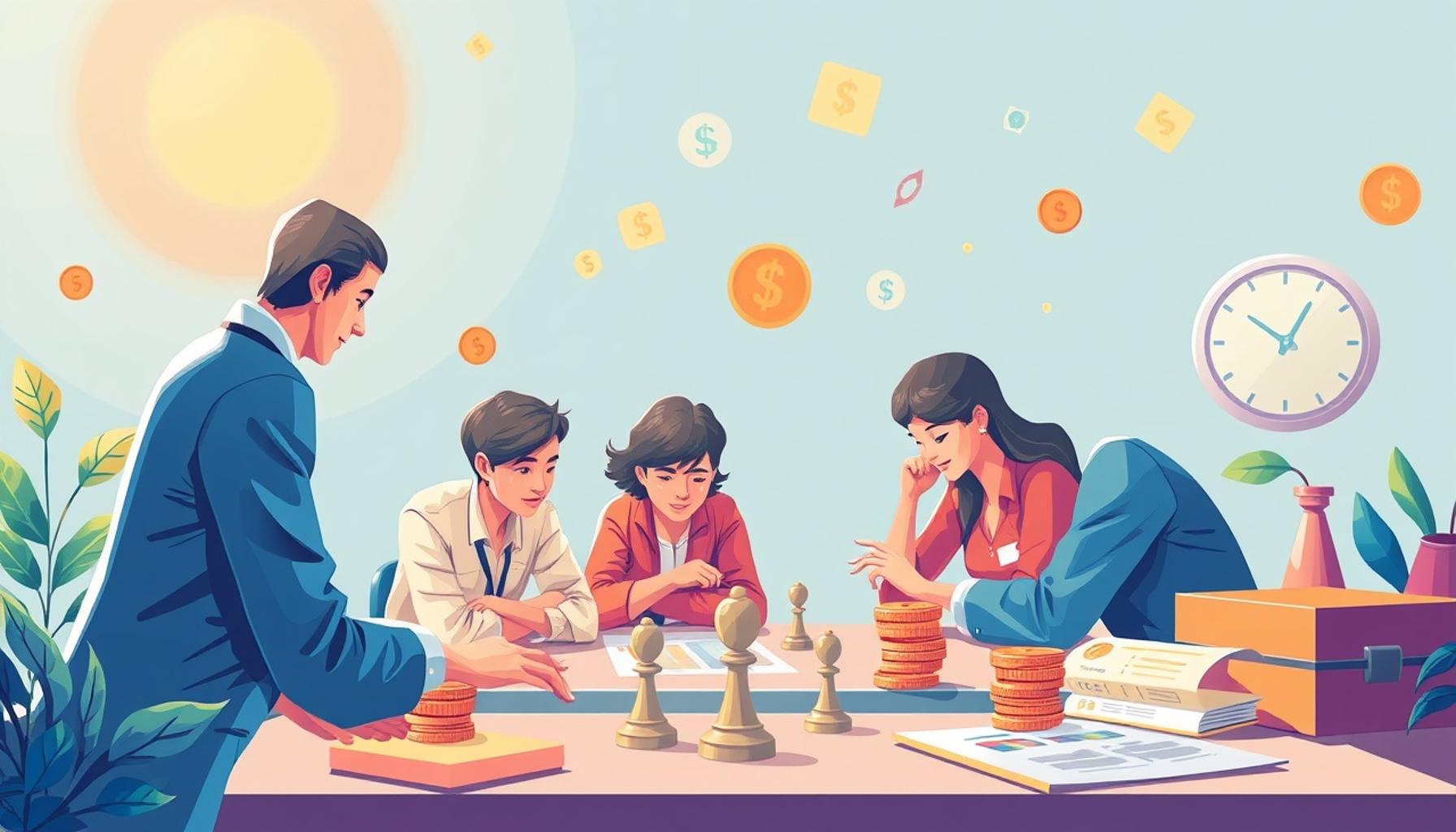
The Power of Collaboration in Team Games
In today’s fast-paced and interconnected world, the significance of mastering collaboration strategies in team games cannot be overstated. Effective collaboration serves as the backbone of any successful team, greatly enhancing performance and nurturing essential problem-solving skills applicable in various real-life contexts. Engaging in team-based activities allows players to face unique challenges that foster valuable skills, making collaboration a critical focus for both personal growth and team success.
One of the cornerstone benefits of participating in team games is the development of enhanced communication. For example, in sports like basketball, clear and concise dialogue is vital for ensuring that each player understands their role during both defense and offense. When players communicate effectively, they can execute plays with precision, reducing the risk of mishap. This kind of communication not only benefits the game but also translates into improved interpersonal skills in professional environments, where clear communications can lead to successful project completions.
Moreover, team games often introduce players to situations requiring conflict resolution. In games like soccer, disagreements can arise over strategy and team dynamics. By working through these differences, players learn to express their viewpoints respectfully while also valuing others’ opinions. This process strengthens emotional intelligence, an increasingly desirable trait in the workplace as employers seek individuals who can navigate team conflicts with empathy and understanding.
Furthermore, strategic thinking is heightened when teams collaborate. When players come together, they share a multitude of perspectives that can lead to innovative and effective solutions to challenges faced during gameplay. For instance, in team-building activities like escape rooms, members must collectively analyze clues and devise plans to overcome obstacles. This collaborative approach not only enhances the gaming experience but also fosters creativity and problem-solving abilities applicable in business settings.
As players engage with these challenges, they hone competencies that extend well beyond the gaming environment. The ability to work cohesively and communicate effectively can transition seamlessly into professional settings, often yielding unparalleled success. Exploring different team game strategies can illuminate how collaboration becomes a transformative tool in overcoming obstacles. Techniques such as shared objectives, role distribution, and feedback mechanisms play a pivotal role in fostering dynamic collaboration within teams.
In this exploration of team games and strategies, you will uncover methods that enhance both gameplay and interpersonal relationships among team members. From cultivating a sense of organization and motivation to establishing a strong network of support, these strategies will not only enrich your gaming experience but also inspire deeper connections that may last a lifetime.
Strategies for Fostering Effective Team Collaboration
To tap into the full potential of team games, it is essential for players to engage with collaboration strategies that not only boost performance but also strengthen trust and cooperation among team members. The foundation of these strategies lies in understanding how to structure interactions and activities that promote a unified approach to tackling challenges. Below, we explore several pivotal strategies that can transform team dynamics, enhance collaboration, and lead to success on and off the field.
1. Establishing Shared Objectives
One of the most critical elements of effective collaboration in team games is the establishment of shared objectives. When players unite under common goals, it creates a sense of purpose that drives teamwork and inspires collective effort. Whether in a game of football, basketball, or even cooperative board games, having well-defined team objectives ensures that all members are aligned in their pursuits. Clear goals facilitate better planning, enhance motivation, and allow for coordinated actions during high-pressure situations.
2. Role Distribution and Accountability
Another essential strategy involves role distribution, where each team member is assigned specific responsibilities tailored to their skills and strengths. This method not only promotes efficiency during gameplay but also fosters a sense of ownership and accountability among players. When individuals understand their roles within the team—be it as a strategist, leader, or support player—they can contribute meaningfully and work collaboratively to implement strategies effectively.
- Defense and Offense Roles: In sports, recognizing who is primarily responsible for defense versus offense can significantly impact team performance.
- Specialized Positions: In complex games such as video games or tabletop RPGs, players can take on specialized roles that complement each other to tackle challenges more efficiently.
- Cognitive Strengths: Leveraging individual cognitive strengths, such as logical reasoning or creativity, enhances overall team capabilities.
3. Implementing Feedback Mechanisms
Continuous improvement relies heavily on effective feedback mechanisms that encourage open dialogue among team members. Establishing systems for constructive feedback allows players to learn from experiences, adapt strategies, and ensure everyone is on the same page. Whether through post-game discussions or ongoing coaching sessions, fostering an environment where players feel comfortable sharing their thoughts leads to a culture of growth and mutual support.
4. Building Social Connections
Lastly, fostering strong social connections among team members strengthens collaboration. Participating in team-building activities outside of regular gameplay helps build rapport and trust. Activities might include group outings, icebreaker games, or social events that allow individuals to get to know one another personally. Stronger interpersonal relationships often translate into better communication and cohesion during competitive scenarios, creating a unity that enhances overall performance.
By integrating these collaboration strategies—shared objectives, role distribution, feedback mechanisms, and social connections—players can navigate challenges with resilience and creativity. Understanding how to work together not only elevates the gaming experience but establishes solid foundations for success in various aspects of life, including professional environments where teamwork is paramount.
| Advantages | Description |
|---|---|
| Enhanced Communication | Participating in team games fosters active dialogue, enabling members to share ideas and strategies effectively. |
| Team Cohesion | Working together to achieve goals strengthens relationships and builds trust among team members. |
| Problem-Solving Skills | Engaging in collaborative challenges enhances critical thinking and creative solutions in high-pressure scenarios. |
| Conflict Resolution | Team games help members navigate disagreements constructively, improving overall group dynamics. |
Collaboration strategies in team games play an essential role in enhancing the effective functioning of teams, particularly in today’s interconnected environments. The first advantage highlighted is enhanced communication, where team members learn to articulate ideas clearly, leading to better decision-making. This is closely linked to team cohesion, vital for establishing a collaborative spirit. Moreover, tackling challenges together hones problem-solving skills, empowering individuals to devise innovative solutions under pressure. Conflict resolution also becomes more manageable as participants practice handling disputes, fostering a culture of respect and understanding. By embracing these strategies, teams not only achieve their goals but also cultivate lasting relationships and skills that benefit them beyond specific games.
Enhancing Team Dynamics Through Technological Integration
In today’s digital age, integrating technology into team games has revolutionized how players collaborate and strategize. Harnessing the power of various tools not only streamlines communication but also enhances engagement levels among team members, creating a more cohesive unit that can tackle challenges with agility and expertise.
1. Utilizing Communication Platforms
Effective communication is the backbone of any successful team collaboration strategy. Leveraging communication platforms such as Discord, Slack, or Microsoft Teams can facilitate real-time dialogue among team members, regardless of their physical location. These platforms enable players to share strategies, discuss in-game situations, and offer feedback instantly, enhancing the overall gaming experience. For instance, many esports teams have adopted these tools to ensure seamless communication and rapid response during high-stakes competitions, illustrating their pivotal role in modern team dynamics.
2. Implementing Collaborative Tools
In addition to communication, adopting collaborative tools designed for strategic planning can greatly benefit team performance. Tools like Trello or Asana allow teams to manage tasks, set milestones, and visualize progress, which can lead to improved collaboration. These platforms help break down complex challenges into manageable tasks, assigning specific roles or duties to individual players while maintaining a clear overview for the entire team. By leveraging these tools, teams can stay organized and focused, mitigating the chaos that often accompanies intense games.
3. Integrating Data Analysis
Data analysis has emerged as a game-changer in enhancing team collaboration. By utilizing analytics software, teams can glean insights from their gameplay, identifying trends, strengths, and weaknesses. This data-driven approach allows players to develop targeted strategies based on their performance metrics. Coaches and team leaders can analyze patterns in gameplay and adjust tactics in real-time, fostering a culture of continuous improvement. For example, NFL teams increasingly rely on data analytics for performance evaluation, which informs offensive and defensive strategies, demonstrating the critical role of empirical evidence in collaborative settings.
4. Emphasizing Emotional Intelligence
Another often-overlooked aspect of team collaboration is the role of emotional intelligence (EI). Teams that foster an environment prioritizing emotional intelligence are more likely to develop empathy and understanding among members. Leaders play a crucial role in modeling EI by encouraging open communication about feelings, creating a safe space for discussing stress, and recognizing individual contributions. Activities such as workshops focusing on team dynamics can help enhance EI, leading to improved relationships and constructive conflict resolution. Considerable research shows that teams with high EI tend to perform better in competitive environments, highlighting the importance of this factor.
5. Fostering Inclusivity and Diversity
Finally, embracing inclusivity and diversity is vital for fostering collaboration in team games. Diverse teams bring different perspectives, skills, and experiences that can lead to innovative strategies and solutions. Encouraging an inclusive atmosphere where every voice is valued helps in building a strong foundation of trust and camaraderie. Studies have shown that diverse teams are often more creative and capable of generating effective solutions to complex challenges. Companies across the United States have successfully utilized diverse teams to innovate and succeed, emphasizing the relevance of this strategy beyond the gaming world.
As technology integrates deeper into team games, implementing advanced collaboration strategies will play a crucial role in shaping the dynamics of teamwork. By focusing on effective communication, leveraging collaborative tools, employing data analysis, enhancing emotional intelligence, and fostering inclusivity, teams can create an environment conducive to collaboration that not only enriches their gaming experience but also provides invaluable lessons applicable in various real-world contexts.
Conclusion: The Future of Collaboration in Team Games
As we navigate the ever-evolving landscape of team games, the significance of collaboration strategies becomes increasingly apparent. The incorporation of technology, communication tools, collaborative platforms, and data analytics not only enhances gameplay but also fosters a rich environment for personal and team growth. Teams that prioritize emotional intelligence, inclusivity, and diversity are well-positioned to tackle challenges with creativity and resilience.
The journey towards effective collaboration is not just about winning games; it is a learning experience that extends well beyond the digital arena. As players engage with one another, they develop essential skills, such as leadership, adaptability, and effective problem-solving, which are applicable in various aspects of their lives. Research has consistently shown that teams that embrace these collaboration strategies tend to outperform their counterparts, illustrating that a cohesive unit can achieve remarkable results.
Looking ahead, the intersection of teamwork and technology will continue to shape the way players interact. Understanding these dynamics and implementing strategies that promote communication and collaboration will be crucial as both the gaming industry and its audience evolve. By investing time and effort into refining these approaches, team members not only enhance their gaming experience but also cultivate relationships that empower them to face challenges together with unparalleled strength.
In summary, adopting robust collaboration strategies in team games transforms how individuals connect, strategize, and conquer challenges, making every match a platform for learning and growth.