Board Games as a Tool to Promote Social Cognition in Children
The Importance of Social Cognition in Children
In an age where digital interactions increasingly define social engagement, it’s essential for children to cultivate strong social cognition skills. These skills, which include the ability to understand and respond to the emotions of others, are critical for nurturing empathy and fostering relationships. Board games have resurfaced as invaluable tools in this context, transcending their role as mere entertainment to become instruments of social learning and interaction. They provide a structured environment where children can experience the nuances of teamwork, competition, and empathy.
Essential Skills Developed Through Board Games
Playing board games is more than just having fun; it’s about developing a suite of vital skills that contribute to a child’s overall growth. For instance:
- Turn-taking: This fundamental aspect of board games teaches children the importance of patience. Taking turns encourages them to listen attentively and respect the game flow, fostering a sense of fairness and consideration for others.
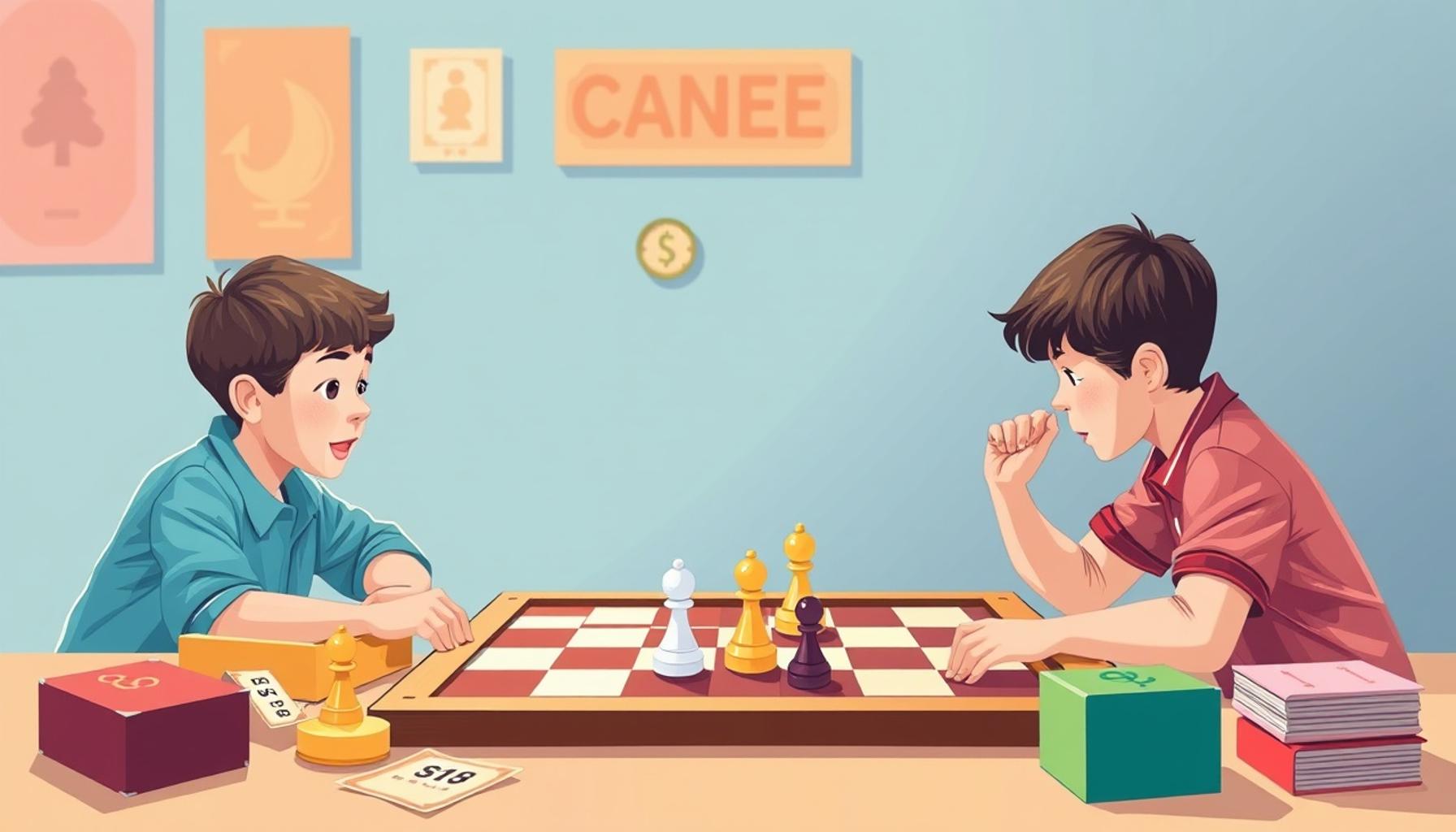
- Strategic thinking: Kids learn to think several steps ahead while playing games like chess or Risk. This kind of planning enhances critical thinking, as they assess potential outcomes and formulate strategies while also considering the actions of their opponents.
- Problem-solving: Games often present challenges that require players to devise solutions to move forward. For example, games like Settlers of Catan involve resource management and negotiation with players, pushing children to think critically and creatively.
Research has indicated that engaging with board games allows children to develop a higher level of empathy and enhances their emotional intelligence. This is reflected not just in their gameplay but also in their everyday interactions, making them more attuned to the feelings and perspectives of peers. Enhanced emotional intelligence is particularly beneficial in school settings and social encounters, as children learn to navigate complex social dynamics with greater ease.
Bridging Generations and Fostering Family Bonds
Board games also serve as a bridge between generations, providing families a platform to engage in meaningful play. This interactivity creates shared experiences that promote bonding; whether it’s a classic game of Monopoly that parents grew up playing or newer releases tailored for younger audiences, such bonds create lasting memories. In this regard, playing together can become a cherished family tradition that encourages open dialogue and strengthens relationships.
As we delve deeper into the diverse range of games that specifically promote these enriching skills, it’s crucial for parents and educators to be aware of the choices available. Understanding the transformative impact of game play can empower adults to integrate board games into children’s daily lives, offering enriching experiences that transcend mere leisure. These games can, indeed, act as a catalyst for enhancing social learning and emotional development among children throughout the United States.
DIVE DEEPER: Click here to uncover insights
How Board Games Enhance Social Cognition
Board games have long been celebrated for their entertainment value, but emerging research reveals that they play a crucial role in developing social cognition among children. The interactive nature of these games not only entertains but also challenges children to engage with their peers in a structured environment. As players navigate these games, they hone their ability to grasp social cues and understand the emotional states of those around them, which in turn lays the foundation for healthy social interactions.
Understanding Emotions Through Gameplay
The essence of social cognition lies in recognizing and interpreting the emotions that govern human interactions. Board games like The Mind and Guess Who? specifically encourage players to observe their teammates’ and opponents’ facial expressions and behaviors, thereby enhancing their emotional awareness. By engaging in such scenarios, children learn to interpret subtle cues, cultivate empathy, and respond appropriately to varied situations. This skill-set becomes invaluable as they navigate real-life social dynamics.
Encouraging Communication Skills
Effective communication is paramount in any social setting. Board games create an environment that fosters open dialogue, as players must often discuss strategies, negotiate trades, or even confront challenges together. This dynamic fosters the development of both verbal and non-verbal communication skills, critical components of social cognition. For example:
- Collaborative gameplay: Games such as Hanabi require players to work closely together without revealing too much information, thus enhancing their ability to convey ideas clearly and efficiently.
- Debate and persuasion: Titles like Ticket to Ride promote discussion and strategic thinking, as players must persuade one another to make favorable moves or trades.
- Conflict resolution: Games like Catan often lead to disagreements, providing children with an opportunity to practice resolving conflicts amicably and learning how to compromise.
The multifaceted nature of board games equips children not only with essential communication skills but also with the social understanding needed for building relationships. As participants engage in discussions and navigate emotional landscapes together, they build confidence and competence in expressing themselves and interpreting the emotions of their peers.
Improving Group Dynamics and Cooperation
Board games are inherently social and often require teamwork, which enhances group dynamics. The support, encouragement, and discussion that arise during gameplay cultivates a sense of belonging—an essential aspect of social cognition. Whether it’s teaming up for cooperative games like Pandemic or competing as individuals in a game of Scrabble, children learn how to work collaboratively, celebrate each other’s successes, and navigate setbacks together. Such experiences underscore the importance of cooperation and collective problem-solving, vital skills for their future social environments, including schools and extracurricular activities.
As board games evolve, parents and educators can leverage their potential to bolster social cognition in children. By selecting games that emphasize these skills, they can provide enriching experiences that go beyond mere playtime, fostering emotional growth and enhancing interpersonal relationships.
| Category | Description |
|---|---|
| Enhanced Communication Skills | Board games encourage verbal interactions among players, helping children practice their speaking and listening skills in a social setting. |
| Teamwork and Collaboration | Participating in games fosters a sense of shared goals and cooperation, allowing children to learn how to work effectively with others. |
Board games are not just a source of entertainment; they serve as powerful tools for enhancing social cognition in children. Through engaging in various gameplay mechanics, children learn to navigate social dynamics, fostering essential life skills. For instance, when children play a game that requires negotiation or strategy, they must consider different perspectives, honing their capacity for empathy. This form of interactive learning augments their ability to understand and relate to the emotions of their peers.Furthermore, board games can introduce children to conflict resolution, as they often encounter challenges stemming from competitive scenarios. Learning to manage disputes during gameplay instills a sense of responsibility and maturity. By reflecting on their experiences in a safe environment, children develop a greater awareness of social norms and the impact of their actions on others. These aspects make board games invaluable in the developmental phase where children’s social skills are still forming. They also provide opportunities for parent-child bonding, reinforcing trust and familiarity while engaging in fun activities together. Ultimately, incorporating board games into children’s lives can significantly enrich their social interaction and cognitive growth, making it an interesting and effective avenue worth exploring further.
DISCOVER MORE: Click here to learn about negotiation strategies through board games
The Impact of Board Games on Critical Thinking and Perspective-Taking
In addition to enhancing emotional awareness and communication skills, board games also foster critical thinking and perspective-taking among children. These cognitive skills are fundamental components of social cognition that contribute to a child’s ability to navigate complex social landscapes. As children engage in strategic gameplay, they are often challenged to analyze situations, anticipate the actions of other players, and adapt their strategies accordingly.
Strategic Thinking in Gameplay
Board games like Chess and Risk require players to think multiple steps ahead and consider the potential outcomes of their decisions. This not only sharpens their problem-solving skills but also teaches them to evaluate the implications of their actions on others. By engaging in such critically demanding scenarios, children learn to appreciate the viewpoints and motives of their peers, enabling them to better grasp group dynamics during play and beyond. This ability to analyze different perspectives is vital for understanding complex social interactions in academic and social settings.
Encouraging Empathy Through Role-Playing
Role-playing games, such as Dungeons & Dragons, provide children with opportunities to step into the shoes of different characters, necessitating an understanding of diverse perspectives. Such games require players to embody their character’s beliefs, desires, and emotions, thereby enhancing their capacity for empathy. These experiences challenge children to think about how others might feel in various scenarios, which can significantly influence their ability to relate to their peers in real life.
Facilitating Social Norms and Rules
Board games often come with clear rules and social norms that govern gameplay, which serves as an excellent primer for teaching children the essential rules of social interaction. Games like Apples to Apples and Taboo require participants to respect designated turns, follow the game’s guidelines, and adhere to the expected behavior of being a good sport—both in victory and defeat. These experiences help children understand the importance of rules and norms in fostering harmonious social interactions, reinforcing their cognitive frameworks for social engagement.
The Role of Adult Facilitation
While the virtues of board games are noteworthy, the presence of adults—parents, teachers, or facilitators—can significantly enhance the experience. Research indicates that guided discussions during gameplay can deepen children’s understanding of complex social concepts. For instance, adult encouragement to express thoughts on emotional reactions during a game can lead to deeper reflection on feelings and social behaviors. This contextualization not only enriches the child’s gameplay experience but also fosters a safe environment for experimentation in social skills without the fear of real-world repercussions.
Overall, by actively engaging in board games, children cultivate critical cognitive skills associated with social cognition. These experiences help meld their emotional understanding with problem-solving abilities, laying a robust foundation for effective interpersonal relationships as they grow. As parents and educators continue to utilize board games as a tool for learning, they can create lasting bonds and opportunities for development in children, preparing them for the sophisticated world of social interactions that lie ahead.
DIVE DEEPER: Click here to discover how puzzles can enhance education
Conclusion: Board Games and the Growth of Social Cognition
In conclusion, the impact of board games on children’s social cognition cannot be overstated. These playful yet strategic activities serve as multifunctional platforms for learning essential skills such as empathy, perspective-taking, and problem-solving. As children navigate the intricate rules and dynamics of board games, they naturally engage in critical thinking, understand the importance of social norms, and learn to appreciate other viewpoints. The role of adult facilitation during these interactions further amplifies the developmental benefits, encouraging reflective thinking and emotional understanding in a safe environment.
Moreover, as children’s interactions with their peers are increasingly shaped by digital mediums, board games offer a unique, tactile alternative that promotes face-to-face communication. This fosters authentic connections—an essential aspect of developing strong social skills in contemporary society. Games like Dungeons & Dragons or Apples to Apples provide practical scenarios where children can experience real-time reactions and adapt their strategies accordingly, ultimately providing a strong foundation for successful interpersonal relationships.
As parents and educators harness the potential of board games as a tool for development, they not only shape better social navigators for the future but also create opportunities for family bonding and community engagement. By integrating these games into everyday activities, adults can facilitate learning in a casual but impactful manner, thereby enhancing a child’s readiness to tackle the complexities of social interactions in an increasingly interconnected world. The journey of fostering social cognition through board games is not just about learning how to play; it’s about equipping children with crucial life skills that will serve them well beyond the game table.