
Creating a Safe Haven for Your Furry Friends
Every pet owner dreams of a harmonious home filled with wagging tails and gentle purrs. However, it’s essential to recognize that this dream comes with responsibilities. Ensuring a safe and healthy environment for your pets requires vigilance and proactive measures. Many pet parents find joy in nurturing their animals, but it’s vital to also focus on safety to complement that joyful experience.
Accidents can happen in the blink of an eye, and being prepared is crucial. Here are some common hazards that every pet owner should consider:
- Poisonous plants: Many common household plants, such as oleander, rubber plants, and lilies, can be toxic to pets. It’s advisable to research any plant before bringing it into your home, especially if you have curious cats or dogs that might chew on leaves.
- Unsafe spaces: Balconies and staircases can be hazardous for inquisitive pets. Ensuring that balconies have secure railings and staircases are gated off can prevent unfortunate falls and escapes.
- Food hazards: Certain human foods, including chocolate, onions, grapes, and xylitol (found in sugar-free products), are dangerous for pets. Familiarizing yourself with these toxic items can be life-saving.
In Nigeria, common challenges such as open drains and busy streets intensify the need for careful preventive measures. Here are a few practical tips to significantly reduce potential accidents:
- Secure toxic substances: Always store cleaning agents, medications, and any kind of chemicals out of reach from pets. Pet-proofing cabinets with child locks is a great way to prevent your furry friends from getting into dangerous substances.
- Ensure sturdy fences and gates: Many pets, especially dogs, have a natural inclination to explore their surroundings. Investing in high-quality fences and checking for vulnerabilities can help contain them.
- Inspect pet toys: Regularly reviewing your pet’s toys and accessories for any small parts that could become choking hazards is essential for their safety. Choosing toys that are designed specifically for their size is recommended.
Beyond simple accident prevention, creating a nurturing atmosphere will greatly enhance your pets’ quality of life. Understanding their needs and behaviors is vital for fostering both physical safety and emotional well-being. For instance, providing a cozy and safe space for your pet to retreat, such as a dedicated bed in a quiet corner of the home, can help them feel secure and loved.
In the quest for a pet-friendly home, every small adjustment counts. Simple actions such as establishing daily routines, providing mental stimulation through interactive toys, and regular exercise can make a huge difference in their happiness levels. A well-rounded approach to pet care not only focuses on safety but also on nurturing their spirit.
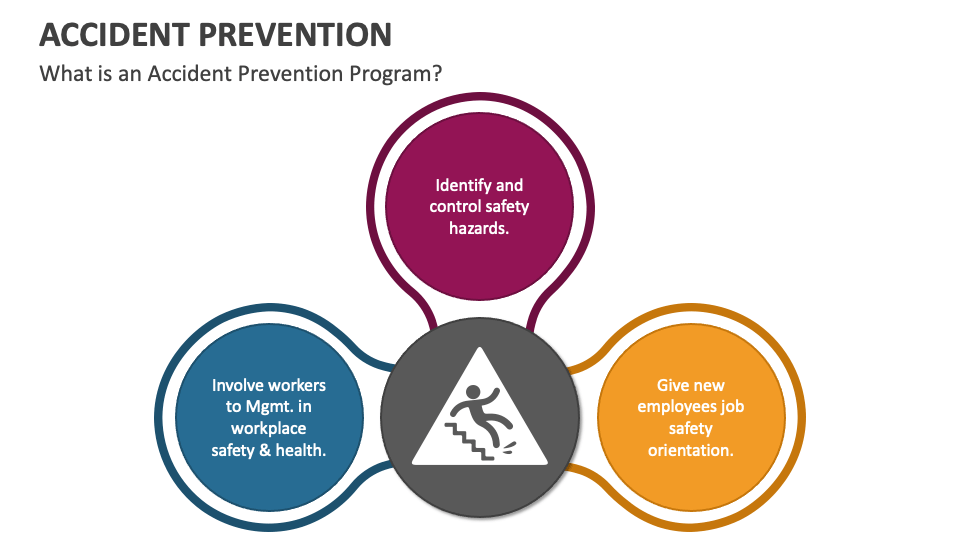
Join us as we explore comprehensive strategies to keep your pets safe, healthy, and incredibly happy! Continue to invest in their well-being by fostering a home that embodies safety, love, and happiness.
SEE ALSO: Click here to read another article
Identifying Hazards in Your Home
Creating a safe and healthy environment for your pets starts with understanding the hazards that may lurk within your home. Accident prevention is the cornerstone of responsible pet ownership, and the first step involves a thorough evaluation of your living space. By identifying potential risks, you can take proactive measures to mitigate them, safeguarding your furry family members.
One of the most significant concerns for pet owners is toxic substances. From cleaning supplies to common household items, many everyday products pose a significant risk to pets. In Nigerian households, where traditional and modern products are often mixed, it is crucial to be especially vigilant. For instance, the seemingly harmless rodenticide used in gardens can have grave consequences if ingested by curious pets. Therefore, it is essential to read labels carefully and store any hazardous materials securely out of reach.
Besides household chemicals, your pets may also be at risk from sharp objects around the home. Items such as scissors, needles, and kitchen knives should be stored safely away to prevent accidental injuries. If you have children, consider teaching them the importance of pet safety, emphasizing the need to keep their toys and craft materials organized and out of the pet’s reach.
Another area of concern is the kitchen. Cooking ingredients such as onions, garlic, and certain spices can be toxic to pets. Even seemingly trivial items like food wrappings can cause choking hazards. To maintain safety in the kitchen, ensure that all food scraps are disposed of immediately and keep your countertops free from accessible food items. Creating designated feeding areas also helps in preventing accidental ingestion of unsafe materials.
- Regularly inspect cords and wires: Pets, particularly puppies and kittens, often chew on items they should not. Secure loose electrical cords with cord clips or hide them away to prevent electrocution.
- Monitor small items: Small household items like buttons, coins, and batteries can easily become choking hazards. Keep these items stored securely and off accessible surfaces.
- Be cautious with laundry: Fabric softeners, detergents, and dryer sheets can be dangerous if a pet ingests them. Store laundry supplies in closed cabinets and ensure that your laundry area is pet-free when in use.
In Nigeria, environmental factors also play a role in pet safety. Open drains and active streets present unique challenges—especially for adventurous pets. Utilizing sturdy gates at entrances and ensuring your fences are maintained properly can assist in preventing your pets from wandering into unsafe areas. Local communities can collaborate with pet owners to share safety tips and resources, making neighborhoods more pet-friendly.
The journey to a safe home demands diligence, but the peace of mind that comes from providing a protected environment is truly invaluable. By understanding and addressing these hazards, you can create a secure and nurturing space for your pets to thrive, allowing you to foster their emotional and physical well-being. As we continue this exploration into creating a pet-friendly home, keep in mind that knowledge is your greatest ally in accident prevention.
Creating a Safe Space: Pet Safety Tips at Home
Maintaining a safe and healthy environment for your pets is an essential aspect of responsible pet ownership. Here are some effective tips to ensure your home is an accident-free zone for your furry friends.
1. Secure Hazardous Materials
Pets are naturally curious and tend to explore their surroundings. It’s vital to keep all hazardous materials such as cleaning supplies, chemicals, and medications securely stored out of their reach. Consider using child-proof locks on cabinets and ensure that all lids are tightly closed. In case of accidental ingestion, it’s wise to have the number of a poison control center readily available.
2. Create a Pet-Friendly Living Space
Designate specific areas for your pets where they can feel safe and comfortable. Use pet gates to block off areas that may pose risks, like staircases or kitchens. Soft bedding and plenty of toys in their safe zone help them relax and prevent them from wandering to dangerous spots.
3. Manage Electrical Cords
Electrical cords are often overlooked, yet they can be hazardous for pets, especially when chewed. Ensure that all cords are tucked away or covered with cord protectors to minimize the risk of electrocution. Regularly inspect cords for damage and replace them as necessary.
4. Use Non-Toxic Plants
Many common household plants can be toxic to pets. Before bringing a new plant home, do your research to confirm it’s pet-safe. Consider opting for non-toxic varieties like spider plants and Boston ferns, which can still beautify your space without risking your pet’s health.
5. Implement a Routine Vet Check-Up
Regular veterinary visits provide preventative care and can help identify potential dangers specific to your pet. Discuss safety tips with your vet to ensure every aspect of your home is conducive to your pet’s health. By integrating these accident prevention tips, you create a nurturing atmosphere that promotes not only safety but also the well-being of your beloved pets. Remember, regular monitoring and adjustments to your living environment are key to ensuring long-term safety.
SEE ALSO: Click here to read another article
Creating a Pet-Friendly Space
Once you have identified the hazards present in your home, the next step in accident prevention is to create a safe and nurturing environment where your pets can thrive. This involves not only removing dangers but also creating designated spaces that cater specifically to the needs of your furry companions.
A vital aspect of fostering a pet-friendly home is ensuring that your pet has a comfortable sleeping area. Pets need a quiet retreat where they can rest undisturbed. Invest in a good-quality pet bed, and place it in a low-traffic area. This dedicated space will provide your pet with a sense of security and help minimize disruptions. In a bustling Nigerian household, where the hustle and bustle can be overwhelming, providing a little sanctuary can go a long way in promoting their emotional well-being.
In addition to a cozy sleeping area, consider creating a play zone for your pets. This space should be safe and encourage physical activity. Toys that are suitable for your pet’s size and breed will prevent boredom and keep them engaged. Opt for sturdy and non-toxic materials, particularly when it comes to chew toys. Be mindful that many inexpensive toys found in local markets may contain harmful chemicals, so it is crucial to do your research before making a purchase.
Establishing Boundaries
Establishing clear boundaries is essential in accident prevention. Incorporating baby gates can help restrict access to areas that may pose risks, such as kitchens or stairways. In Nigeria, where many homes may have multiple stories or open spaces, gates serve as a preventive measure to keep pets safe from falls or potential hazards. It allows you to control your pet’s interaction with certain spaces, which can be particularly helpful during gatherings or when you are unable to supervise them closely.
Educating your pets on boundaries is equally important. Training them to stay out of certain rooms or not to jump on furniture is beneficial for both their safety and your peace of mind. Positive reinforcement techniques—like treats and praise—are effective in teaching pets about safe spaces in the home.
Outdoor Safety Practices
When creating a safe environment for your pets, outdoor safety should not be overlooked. In Nigeria, the exposure to factors like busy roads or unfamiliar wildlife can pose significant risks for pets venturing outside. Always ensure that your yard is securely fenced and that gates are closed when your pet is outside. Regularly inspect your fences for damage or gaps that could allow your pet to escape.
For those who walk their pets, a sturdy leash is crucial. Not only does this help keep your pet safe from traffic, but it also prevents them from having negative encounters with other animals. A good leash should be suitable for the size and strength of your pet. Additionally, consider using a harness instead of a collar for more control and comfort, particularly for energetic dogs that may pull.
Moreover, be cautious about unsupervised outdoor time. Always keep an eye on your pets when they are in the yard or garden. In regions where snakes or other dangerous wildlife may be present, supervision becomes even more critical to avoid potential encounters.
Creating a safe and healthy environment for your pets is an ongoing process that requires vigilance and proactivity. By focusing on not just the hazards within the home but also preparing safe outdoor experiences, you can ensure that your pets enjoy happy, healthy, and fulfilling lives. Always stay informed about new safety tips and best practices, as this knowledge will continuously enhance the welfare of your beloved companions.
LEARN MORE: This related article may interest you
Final Thoughts on Pet Safety and Well-Being
Creating a safe and healthy environment for your pets at home is a responsibility that all pet owners should take seriously. By understanding the potential hazards in your living space and actively working to eliminate them, you are taking significant steps towards accident prevention. Implementing simple strategies, such as establishing designated areas for rest and play and using tools like baby gates, can greatly enhance your pet’s safety.
Moreover, it is essential to extend safety measures beyond the confines of your home. Outdoor environments, particularly in bustling areas of Nigeria, require special attention. Always ensure secure fencing, supervise outdoor activities, and utilize appropriate gear for walks, such as a sturdy leash or a comfortable harness, to prevent accidents and unwanted encounters.
Education plays a vital role in keeping your pets secure. Regularly reinforcing training, adopting positive behavior techniques, and staying informed about new safety products can equip you with the knowledge to keep your furry friends safe and happy. Remember, creating a stable, engaging, and safe home environment is not a one-time effort but an ongoing commitment.
By prioritizing safety today, you are investing in the health and happiness of your pets for years to come. As a responsible pet owner, your proactive approach will not only help prevent accidents but also provide an enriching atmosphere where your pets can thrive. So take charge, explore new safety practices, and make your home a haven for your beloved companions.
Related posts:
Tips for Recognizing and Treating Common Pet Diseases
The importance of regular hygiene for pets' health: Bathing routines and nail care
How to identify signs of stress and anxiety in pets
How to Identify Signs of Stress in Pets and Techniques to Promote Emotional Well-Being
The importance of regular physical activity for pet health
Essential Care for Pets' Dental Health: How to Keep Animals' Teeth Clean and Healthy

Beatriz Johnson is a seasoned pet care expert and writer with a passion for simplifying the complexities of animal health and responsible pet ownership. With over a decade of experience in the pet industry, she specializes in topics like pet nutrition, behavior training, and wellness strategies. Through her work on our website, Beatriz empowers pet owners to make informed decisions and ensure their furry companions live happy, healthy, and fulfilling lives.