
Understanding Food Allergies in Pets
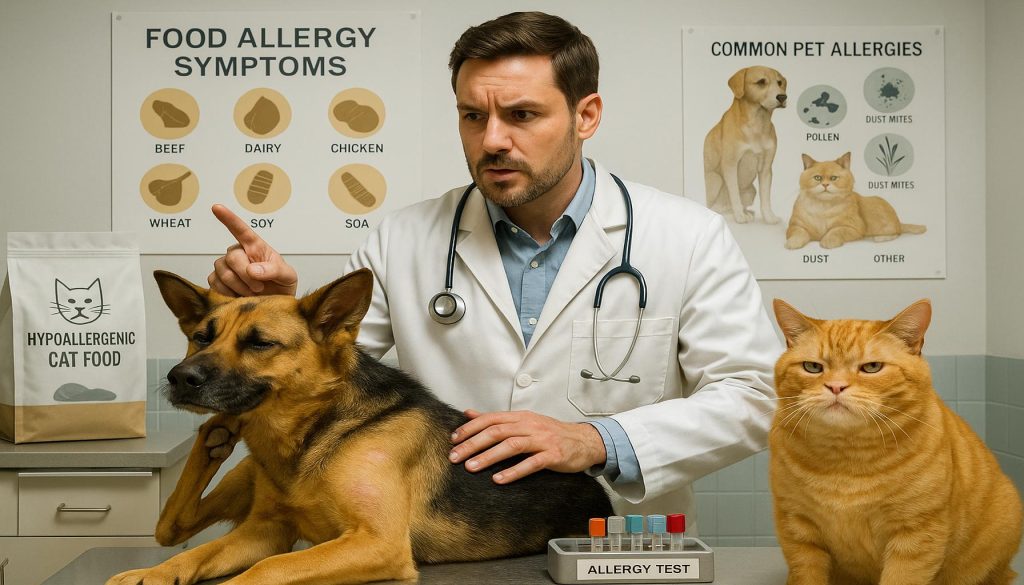
Pet owners often overlook the fact that just like humans, animals can suffer from food allergies. These allergies can lead to a multitude of health issues, making it essential to identify and manage them effectively. Knowing the signs and symptoms is crucial for maintaining your pet’s well-being.
Some common symptoms of food allergies in pets include:
- Itchy skin and excessive scratching: One of the most visible signs of food allergies is constant scratching, licking, or biting at the skin, which can lead to secondary infections if left unchecked.
- Digestive problems: Pets with food allergies may experience vomiting, diarrhea, or gas, which can disrupt their overall health and comfort. Some may even show signs of weight loss, as they struggle to absorb nutrients effectively.
- Ear infections: Recurring ear infections can be a troubling clue to underlying food allergies. If your pet seems to shake its head frequently or displays sensitivity around the ears, it’s time for an evaluation.
If you notice any of these signs, it’s time to take action. An incorrect diet can lead to serious health consequences for your furry companions. Adjusting their diet can not only ease their discomfort but also improve their overall health.
Recognizing and understanding how to identify food allergies is key to successful management. Here are some important steps to consider for making dietary adjustments:
- Keep a food diary: Track everything your pet eats, including commercial foods and any treats. This will help you pinpoint potential allergens and recognize patterns over time.
- Consult with a veterinarian: Professional guidance is crucial. A veterinarian can recommend allergy tests, suggest hypoallergenic food options, or propose an elimination diet to identify allergens.
- Introduce new foods gradually: When trying new diets, introduce changes slowly and monitor your pet closely for any adverse reactions. This strategy allows you to identify specific ingredients that may trigger allergies.
In Nigeria, where certain ingredients such as maize, chicken, and fish are commonly used in pet food, it’s vital to recognize how these local diets could impact your pet’s health. Many commercial dog foods may contain fillers or by-products that can be irritating to some pets. It is essential to investigate the ingredients in your pet’s food and consider high-quality, locally-sourced alternatives when possible.
As we delve deeper into this critical topic, you will discover essential tips and practical advice for ensuring your pet enjoys a safe and healthy diet, tailored to their specific needs and sensitivities. Your pet deserves to lead a healthy, happy life, and understanding their dietary needs is a significant step in that direction.
SEE ALSO: Click here to read another article
Identifying Food Allergies: The First Steps
Identifying food allergies in your pets can seem like a daunting task, especially with the myriad of symptoms that may arise. However, understanding the mechanics of how allergies manifest can significantly simplify this process. Food allergies often develop when a pet’s immune system mistakenly identifies a specific food component as harmful, leading to an exaggerated response that can affect their skin, gastrointestinal health, and overall quality of life.
To begin the identification process, it’s essential to observe and document your pet’s behaviors and reactions. Here are some focused strategies to aid in recognizing food allergies:
- Monitor Symptoms: Pay close attention to the timing and frequency of symptoms such as itching, discomfort, or gastrointestinal issues. Keeping an eye on when these reactions occur after feeding can provide valuable insights into potential allergens.
- Review Recent Dietary Changes: If you’ve introduced new foods or treats, consider whether they may be the culprit. Sometimes, even a small addition like a new treat or topping can trigger allergies.
- Check Ingredient Labels: Familiarize yourself with common allergens. Ingredients such as beef, dairy, wheat, and soy are frequently problematic. In Nigeria, locally sourced ingredients like maize or certain fish varieties may also provoke allergies in some pets.
It’s also important to note that the age and breed of your pet can influence their susceptibility to food allergies. For example, some breeds, like Labrador Retrievers and Golden Retrievers, have a higher propensity for food sensitivities. Understanding these nuances can better equip pet owners to recognize early signs of a problem.
Seek Professional Guidance through a veterinarian. Vets can perform diagnostic tests and offer tailored recommendations based on your pet’s specific health needs. They may advise on an elimination diet, which is a systematic approach to uncovering offending ingredients. This method involves removing common allergens from your pet’s diet for several weeks before gradually reintroducing them one at a time, allowing you to pinpoint the exact trigger.
Another effective strategy is to switch to hypoallergenic pet food options that utilize novel protein sources, such as duck or venison, which are less likely to cause allergic reactions. Exploring high-quality, natural, or locally produced pet foods can often alleviate allergy symptoms by avoiding common fillers and additives that may irritate sensitive systems.
As you navigate the complexities of identifying food allergies, remember that patience is key. Finding the right dietary balance for your furry friend may take time, but it’s worth every effort to ensure they lead a happy, healthy life free of the discomfort caused by food allergies.
| Category | Details |
|---|---|
| Common Allergens | Foods like chicken, beef, dairy, and grains are frequent triggers of food allergies. |
| Symptoms to Watch For | Keep an eye out for itching, digestive issues, and skin irritations that persist with diet changes. |
| Diagnosis Techniques | Veterinarians may suggest elimination diets or allergy testing to confirm food allergies in pets. |
| Dietary Adjustments | Introduce hypoallergenic or limited-ingredient diets to help identify safe foods for your pet. |
| Long-Term Management | Regular monitoring of your pet’s reactions to new foods helps maintain their health and well-being. |
To effectively manage food allergies in pets, it’s essential to understand the common allergens that can cause adverse reactions. Foods such as chicken, beef, dairy, and grains are often implicated. Symptoms may include persistent itching, digestive upset, and various skin issues. Identifying these symptoms can be crucial in pinpointing the potential allergen.Veterinary diagnosis often involves either elimination diets, where suspected allergens are removed, or allergy tests to determine exact triggers. Once identified, it’s essential to adjust your pet’s diet accordingly. Switching to hypoallergenic or limited-ingredient diets can help provide relief while still ensuring your pet receives adequate nutrition.Being proactive and closely monitoring your pet’s reactions to new foods is vital for their long-term health and quality of life. This careful management and observation can significantly improve your furry friend’s comfort and happiness in the long run.
RECOMMENDED: Check out this similar article
Adjusting Your Pet’s Diet: Navigating the Dietary Changes
Once you have identified potential food allergens affecting your pet, the next step is to adjust their diet accordingly. This process is crucial for alleviating discomfort and ensuring your pet’s nutritional needs are still being met. Modifying a pet’s diet may require a holistic approach, and understanding how to do this effectively can make all the difference in their well-being.
Elimination Diets are often the recommended starting point after identifying food allergies. This approach involves removing all suspected allergens from your pet’s diet for a specific period—typically around 8 to 12 weeks. During this phase, it’s essential to use a single-source protein and a carbohydrate source that your pet has not previously eaten. For many pet owners in Nigeria, this could mean switching to grass-fed goat or local fish, which may be less likely to cause reactions. Keep in mind that any treats, snacks, or table foods should also be eliminated unless they comply with the restricted diet.
During the elimination phase, you should closely monitor your pet’s response. Document improvements in symptoms such as itching, gastrointestinal distress, or excessive licking. A positive change can often confirm the presence of an allergy to one or more ingredients. This careful observation aligns with the need to be patient, as dietary adjustments can take time before their benefits become evident.
Following the elimination period, the next stage is the reintroduction of foods. Gradually add back one ingredient at a time—waiting a week or more between each addition to observe whether symptoms return. This systematic approach allows you to pinpoint specific allergens more accurately. If symptoms reappear, eliminating that food again helps to solidify your findings. You may wish to consult with your veterinarian during this phase, as they can help create a structured reintroduction plan tailored to your pet.
For those looking for more convenient options, there are numerous commercial hypoallergenic pet foods available in Nigeria that are designed for pets with food sensitivities. These foods typically contain hydrolyzed proteins, which are broken down so that the immune system is less likely to identify them as allergens. Such options can be particularly helpful for busy pet owners who may find preparation of an elimination diet challenging.
Additionally, consider speaking with a qualified veterinary nutritionist if you’re looking for specialized advice or if your pet has complex dietary needs. Nutritionists can help formulate a balanced diet, ensuring that your pet receives all necessary vitamins and minerals while excluding harmful allergens. They can also help identify reliable local sources for high-quality ingredients, which is important in a country like Nigeria, where the availability of international pet food brands can vary widely.
Lastly, it’s essential to not only focus on the existing diet but also to maintain open communication with your veterinarian throughout this process. Regular check-ups can provide more insights into your pet’s health status and inform any necessary diet modifications as they age or if their health conditions change. Monitoring your pet’s weight, energy levels, and overall behavior will be equally important during dietary adjustments.
By understanding how to adjust your pet’s diet effectively, you empower yourself and enhance your furry companion’s quality of life, making the journey toward allergen-free living both manageable and rewarding.
ADDITIONAL INSIGHTS: Expand your understanding here
Conclusion: Enhancing Your Pet’s Well-Being Through Thoughtful Dietary Adjustments
In conclusion, identifying food allergies in pets is a critical aspect of responsible pet ownership that significantly impacts your furry friend’s health and happiness. By paying attention to symptoms and engaging in a systematic approach, such as the elimination diet and careful reintroduction of foods, you can uncover the specific allergens troubling your pet. This process is not only about removing harmful ingredients but also about ensuring your pet receives a balanced meal that supports their overall vitality.
In Nigeria, where dietary options can vary widely, being informed about local sources for hypoallergenic ingredients can ease this transition. From locally sourced goat to sustainable fish options, you can find alternatives that are less likely to trigger allergic responses. Engaging with qualified veterinary nutritionists can also provide tailored advice and support you in formulating a nutritious diet that meets your pet’s specific needs without compromising on flavor or health.
It’s vital to maintain an open dialogue with your veterinarian throughout this journey. Regular check-ups will ensure that your pet’s dietary adjustments are effective and help monitor any changes in their overall health as they age. By taking these proactive steps, not only do you nurture your pet’s physical health but also contribute to their emotional well-being, fostering a stronger bond between you and your beloved companion. Remember, understanding and adjusting your pet’s diet is not just about alleviating discomfort; it’s about paving the way for a richer, happier life for your pet.
Related posts:
The Relationship between Nutrition and Oral Health in Pets
The Effects of a Hypoallergenic Diet on the Health of Pets
Natural Feeding vs. Commercial Food: What is Better for Your Pet?
The Influence of Age on Dog and Cat Nutrition: Adjusting the Diet Throughout Life
The Importance of a Balanced Diet for Dogs and Cats: Essential Nutrients
How Nutrition Affects Pet Behavior

Beatriz Johnson is a seasoned pet care expert and writer with a passion for simplifying the complexities of animal health and responsible pet ownership. With over a decade of experience in the pet industry, she specializes in topics like pet nutrition, behavior training, and wellness strategies. Through her work on our website, Beatriz empowers pet owners to make informed decisions and ensure their furry companions live happy, healthy, and fulfilling lives.