
The Benefits of Clicker Training
Clicker training presents a wealth of benefits that extend beyond mere obedience. When you effectively use the clicker, it serves as a powerful bridge between you and your pet’s understanding, fostering communication that is both clear and engaging. The click sound functions as a precise marker, indicating to your pet that they have performed the action you desire. This clarity is vital, especially for beginners who might find traditional training methods daunting or less effective.
Positive Reinforcement at Its Best
At the heart of clicker training lies the principle of positive reinforcement. When your pet performs a command and hears the click, they instinctively associate that sound with success, which can be followed by a delightful treat or praise. This immediate reward not only enhances their learning experience but also keeps them motivated to engage in training sessions. For example, if you live in Lagos and have a mischievous puppy, teaching basic commands like “sit” or “stay” can become a fun game rather than a chore, creating a joyful atmosphere in your household.
Building a Stronger Bond
Clicker training is more than just a method; it’s a way of strengthening the bond between you and your pet. When you take the time to train using positive reinforcement, you are communicating your love and dedication to your furry friend. This process encourages trust; your pet learns that they can rely on you to provide guidance and rewards for good behavior. Many pet owners in Nigeria have found that a few minutes of clicker training daily results in their pets becoming more responsive and engaged in their daily activities.
How to Get Started
Getting started with clicker training is quite simple. First, you’ll need to purchase a clicker, which is widely available in pet stores across Nigeria. Once you have your clicker, here’s a basic guide to initiate the training:
- Introduce the Clicker: Begin by clicking the device followed immediately by a treat while ensuring your pet is watching. This helps them associate the click sound with something positive.
- Teach Simple Commands: Start with basic commands like “sit” or “come.” Click and treat only when they successfully perform the command.
- Practice Regularly: Consistency is key. Short, frequent training sessions are more effective than long, infrequent ones. Aim for 5-10 minutes, 2-3 times a day.
By implementing these strategies and remaining patient, you will see remarkable progress in your pet’s behavior and responsiveness. Whether you have a playful puppy, a wise old dog, or a curious cat, adopting the clicker training method can transform your interactions and overall relationship. As pet ownership grows in Nigeria, taking part in humane and fun training techniques like clicker training is a splendid option for creating a harmonious living environment with your beloved pets.
CHECK OUT: Click here to explore more
Understanding the Basics of Clicker Training
Before diving into the intricacies of clicker training, it’s essential to grasp the foundational concepts that make this method effective. At its core, clicker training is rooted in behavioral psychology, specifically the principles of operant conditioning. This approach emphasizes that behavior can be modified through rewards and consequences, and the clicker acts as a positive reinforcement tool that facilitates this learning process.
The Clicker: Your Best Friend
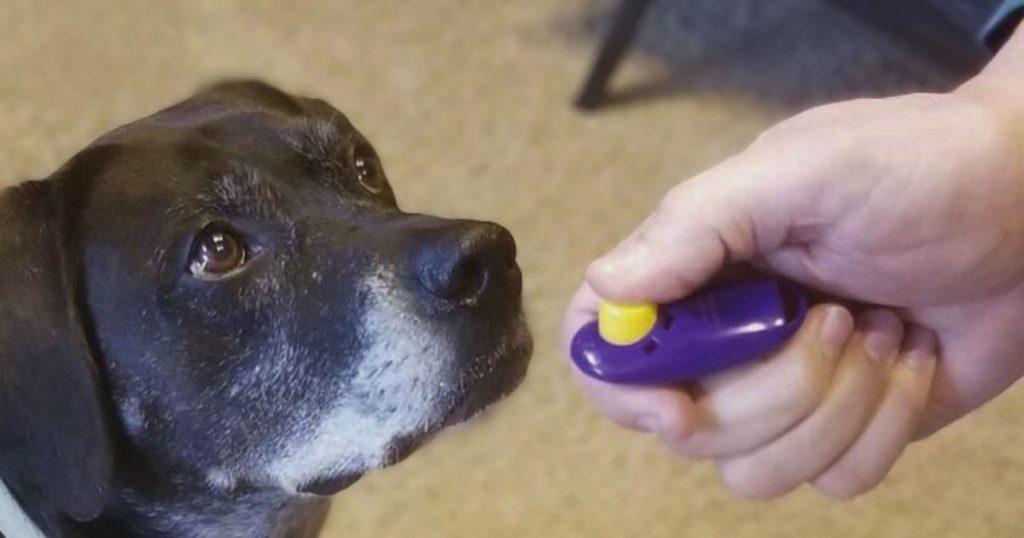
The clicker is a small handheld device that produces a distinct sound when pressed. This sound serves as a clear cue to your pet, indicating that they have performed a desired action correctly. Unlike verbal commands, which can vary in tone and intensity, the click sound remains consistent and reliable. This consistency helps eliminate confusion for your pet, allowing them to focus solely on the behavior being reinforced.
Choosing the Right Environment
Setting the right environment for clicker training is crucial for success. Begin in a quiet space with minimal distractions—think of your cozy living room or a secluded corner of your backyard. For pet owners in urban Nigerian settings, it might be beneficial to schedule training sessions during times when the streets are less bustling, reducing noise and interruptions. This focused approach not only enhances your pet’s learning experience but also strengthens the bond as they feel more at ease during the session.
Essential Supplies for Clicker Training
Before starting, equip yourself with the necessary tools to ensure a smooth training experience:
- A clicker: Easily obtainable from local pet stores or online, ensuring you have a reliable clicker is fundamental.
- Treats: Use small, soft treats that your pet loves. This could range from commercial pet snacks to tasty morsels of chicken or fish.
- Patience: Remember, every pet learns at their own pace. Maintaining a patient and encouraging demeanor will foster a positive learning environment.
As a bonus tip for pet owners in Nigeria, consider engaging in clicker training when the weather is pleasant—perhaps early in the morning or late afternoon. A comfortable environment not only keeps your pets happy but also makes training sessions more enjoyable. The combination of enticing treats, the clear sound of the clicker, and your positive energy will set the stage for successful learning.
Patience is Key
Patience is an indispensable ingredient in the clicker training recipe. As with other training methods, pets might require multiple attempts before performing the desired action consistently. For instance, a playful puppy may take time to understand the “sit” command, especially if they are easily distracted by their surroundings. By remaining calm and encouraging, you reinforce a message of understanding that will ultimately lead to long-term success.
In conclusion, mastering the basics of clicker training paves the way for an enriching experience not just for your pet, but also for you as a pet owner. By integrating positive reinforcement, establishing a structured environment, and utilizing the right tools, you are setting the stage for impactful communication and a loving relationship with your furry friends.
| Feature | Advantage |
|---|---|
| Positive Reinforcement | Clicker training utilizes positive reinforcement to encourage preferred behaviors, creating a bond of trust and happiness. |
| Clear Communication | The use of a clicker offers a clear signal for your pet, distinguishing between desired and undesired actions effectively. |
| Enhanced Learning | Research shows that pets trained with clickers typically learn behaviors more quickly and reliably than those trained through traditional methods. |
| Fun and Engaging | Clicker training sessions can be a joyful activity for both pet and owner, making training less of a chore and more of a game. |
The clicker training method represents a revolutionary approach to pet communication, making it not only effective but also enjoyable. By leveraging these advantages, pet owners can foster a more profound connection with their furry companions while ensuring they understand commands and behaviors with clarity. Understanding these benefits promotes a smoother training experience; hence, delving deeper into the intricacies of clicker training can unlock potential for both pets and owners.
ADDITIONAL INSIGHTS: Expand your understanding here
Teaching Your Pet with Clicker Training
Now that you have laid the groundwork with a solid understanding of clicker training, it is time to explore the practical steps involved in teaching your pet new behaviors. The process begins with establishing a connection between the click sound and a reward. This association is vital for effective communication and learning.
Introducing the Clicker to Your Pet
Start by simply clicking the clicker and immediately giving your pet a treat. Repeat this a few times until your pet develops a positive reaction to the sound. This stage is known as charging the clicker. Once your pet anticipates a treat following the click, you’re ready to move on to training specific commands.
Basic Commands and Techniques
Begin with fundamental commands like “sit,” “stay,” and “come.” Each command can be broken down into a series of manageable steps:
- For “sit”: Hold a treat above your pet’s nose and slowly move it backward over their head. As your pet’s head moves back to follow the treat, their bottom will naturally lower to the ground. The moment they sit, click the clicker and offer the treat.
- For “stay”: Ask your pet to sit. Then, open your palm towards them and say “stay.” Take a step back. If they remain in position, click and treat. Gradually increase the distance and duration of the stay to build their confidence and adherence.
- For “come”: Use a long leash and step away from your pet. Bend down, call their name followed by “come,” and as soon as they approach you, click and reward. This command reinforces your pet’s understanding that approaching you leads to positive experiences.
For pet owners in Nigeria, it can be helpful to practice these commands in familiar environments. Utilizing your home or a secure backyard allows your pet to feel comfortable, particularly if they are still getting accustomed to the clicker process.
Utilizing Gradual Progression
One of the key aspects of clicker training is gradual progression. Start with easy behaviors and build complexity over time. As your pet masters basic commands, gradually introduce more challenging tasks. This could include tricks like “roll over” or “play dead.” Each time your pet successfully performs a new trick, remember to click and reward, reinforcing their sense of achievement.
As you progress, it might be beneficial to introduce variability into your training sessions. Change the location, timing, or even the treats to keep your pet engaged and excited about learning. A variety of rewards, such as toys, praise, or affection, can also add flair, catering to different motivations that your pet may have.
Common Pitfalls to Avoid
While embarking on your clicker training journey, there are certain pitfalls you must be wary of. It’s essential to avoid overwhelming your pet with too many commands at once, which can lead to confusion. Focus instead on one command until it is mastered, and then gradually introduce new skills. Additionally, be mindful of the timing of the click; it should occur at the precise moment your pet exhibits the desired behavior to effectively reinforce the action.
Another common mistake is inconsistency in reward delivery. Always remember to click immediately when your pet performs the desired action, followed by a treat. This clarity in communication helps ensure your pet understands the exact behavior that is being reinforced.
By understanding these techniques and strategies, you are well on your way to mastering clicker training, leading to rewarding interactions with your pet. This method not only enhances communication but also lays the foundation for a trusting relationship built on mutual understanding and positive experiences.
CHECK OUT: Click here to explore more
Conclusion: Unlocking the Power of Clicker Training
In the world of pet training, clicker training stands out as a powerful tool for enhancing communication between you and your furry companion. This innovative method emphasizes positive reinforcement, systematically transforming mundane commands into exciting interactive experiences. By developing a clear association between the distinct sound of the clicker and immediate rewards, you pave the way for efficient learning and lasting behavioral changes.
As you embrace the techniques outlined in this guide, remember that patience is key. Whether teaching your pet the basics like “sit” and “stay” or introducing more advanced tricks, consistency and gradual progression will yield remarkable results. The practice of setting familiar environments for training in Nigeria, such as your home or garden, contributes to your pet’s comfort level, fostering a more effective learning atmosphere.
Moreover, being mindful of potential pitfalls—such as overwhelming your pet with commands or delaying reward delivery—ensures that you communicate effectively and maintain their enthusiasm throughout the training process. Ultimately, clicker training offers more than just the ability to perform tricks; it fosters a deep bond of trust and understanding between pet and owner.
As you continue your journey into clicker training, allow curiosity to guide you. Explore the variety of commands, enrich your pet’s arsenal of skills, and witness the joy of learning together. The rewards of effective pet communication will not only enhance your life but also create a harmonious relationship that stands the test of time.
Related posts:
Positive Training Methods for Dogs: Building a Trusting Relationship
Agility Training for Pets: Enhancing Physical and Mental Skills
Socialization Techniques for Puppies: Preparing Your Pet for a Happy Life
Training Techniques for Service Animals: Preparing Pets for Specialized Roles
Advanced Obedience Training for Adult Dogs: Techniques for Lifelong Learning
Agility Training for Dogs: How to Improve Physical Condition and Coordination

Beatriz Johnson is a seasoned pet care expert and writer with a passion for simplifying the complexities of animal health and responsible pet ownership. With over a decade of experience in the pet industry, she specializes in topics like pet nutrition, behavior training, and wellness strategies. Through her work on our website, Beatriz empowers pet owners to make informed decisions and ensure their furry companions live happy, healthy, and fulfilling lives.