Exploring the Connection Between Strategy Board Games and Executive Function Skills in Teens
The Importance of Executive Function Skills for Teenagers
Teenagers are at a critical juncture in their lives, where developing executive function skills can profoundly impact their future. These skills encompass a range of cognitive processes, including planning, organization, impulse control, and decision-making. They play a pivotal role not just in academic settings but also in personal and social situations, guiding teenagers through life’s various challenges.
The Role of Strategy Board Games
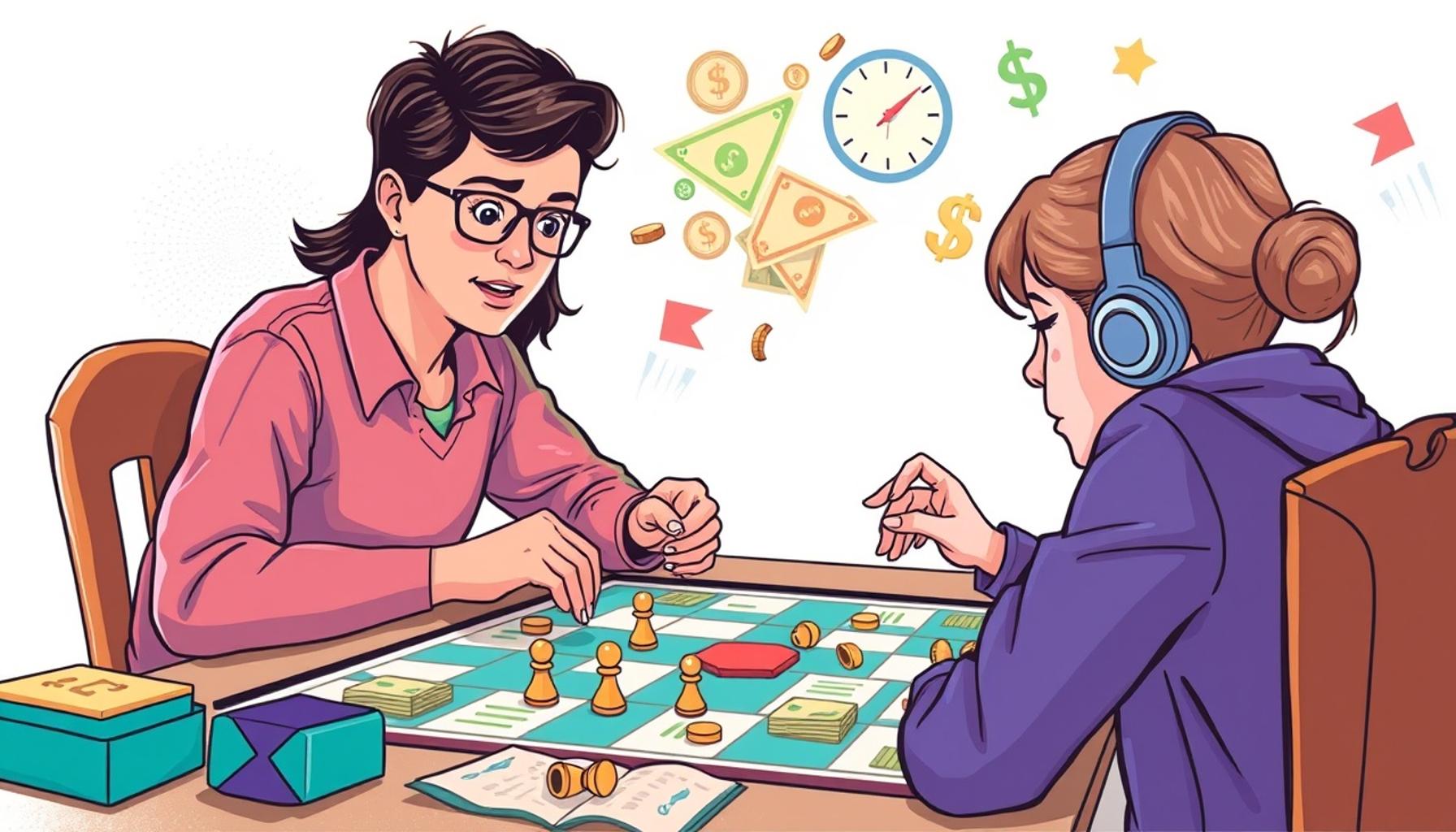
Many parents may find themselves asking how engaging with strategy board games can contribute to their teenagers’ personal growth. Surprisingly, these games offer a myriad of benefits that can subtly enhance executive function skills in a fun and interactive way. Here are some significant advantages:
- Problem-Solving: Strategy board games require players to think critically about their moves and anticipate their opponents’ tactics. Games like Chess force players to evaluate multiple outcomes and develop strategies to counter their adversary’s strategies, thereby honing their analytical skills.
- Planning: Players are often tasked with making decisions that have long-term consequences. For instance, in Settlers of Catan, players must plan resource management and settlements, considering both immediate gains and future resource availability, helping to develop foresight.
- Social Interaction: These games frequently require active participation in discussions, negotiations, and teamwork, enhancing communication and interpersonal skills. In games like Ticket to Ride, players often must collaborate to complete routes while negotiating with others, fostering important social dynamics.
The Research Backing Board Games as Learning Tools
Research indicates that the cognitive and social skills promoted by strategy board games can have a lasting impact on adolescent development. Studies have shown improvements in problem-solving skills and critical thinking abilities among teenagers who regularly engage in these types of games. The complex nature of strategy games can provide a safe space for teens to experiment with decision-making in a low-stakes environment, allowing them to learn from both successes and failures.
Conclusion: Shaping the Future through Play
By leveraging strategy board games, parents and educators can create opportunities to bolster the executive function skills that are vital for successful navigation through the challenges of adolescence. Games encourage teenagers to engage deeply with their cognitive abilities while also fostering social connections that are essential during these formative years. As we delve deeper into the world of these games, it becomes clear that they are not merely a pastime; they are a powerful tool for shaping well-rounded, capable teens ready to tackle the demands of adulthood.
DISCOVER MORE: Click here for insights on focus training and neuroplasticity
Unpacking the Cognitive Benefits of Strategy Board Games
As we explore the connection between strategy board games and the development of executive function skills in teenagers, it is essential to understand the core cognitive processes involved. Executive function comprises essential skills such as working memory, cognitive flexibility, and inhibitory control. These skills are crucial not just for academic success, but also for navigating everyday life challenges. In this dynamic context, strategy board games emerge as captivating tools that can effectively nurture these cognitive abilities.
When teens engage in strategy board games, they automatically enter a realm of complex thinking and problem-solving. Games designed with multifaceted challenges, like Twilight Struggle or 7 Wonders, provide an opportunity for players to practice planning several moves ahead. They need to weigh potential risks while embracing the unpredictability of their opponents’ strategies. This kind of situational analysis trains teenagers to think on their feet, a skill that translates seamlessly into real-world decision-making.
The Power of Planning and Organizing
Planning is a fundamental component of many strategy board games. For instance, games like Carcassonne demand players to tile and build cities while anticipating opponents’ moves. This requires careful consideration of spatial arrangement and resource allocation, positioning players to think critically about their long-term strategy. The act of organizing gameplay elements creates a microcosm of real-life project management, where teens can cultivate their organizational skills.
Critical Thinking and Impulse Control
One of the hallmark features of strategy games is their emphasis on critical thinking. In games such as Risk, players must evaluate their options continuously, considering both immediate outcomes and future advantages. This kind of mental juggling enhances cognitive flexibility—the ability to switch between different ideas or courses of action. Additionally, impulse control is tested as players are often tempted to make hasty decisions for short-term gains, learning the importance of patience and strategic foresight.
Fostering Social Engagement through Gameplay
Beyond the cognitive aspects, strategy board games also serve as a platform for developing vital social skills. Engaging with peers offers essential opportunities for teamwork, negotiation, and conflict resolution. For example, in cooperative games like Forbidden Island, players must communicate and strategize collectively to achieve common goals. This interaction not only nurtures important interpersonal skills but also builds a sense of community, creating lasting bonds among players.
Real-World Implications
As these skills become more pronounced through regular engagement in strategy board games, the long-term implications for teenagers can be profound. Cognition-enhancing board games may help equip young individuals with the tools they need for academic achievement and personal fulfillment. With executive function skills being directly linked to life outcomes, parents and educators are encouraged to incorporate these games into their routines, thus providing a playful yet impactful means of growth.
In summary, the connection between strategy board games and executive function skills in teens demonstrates an exciting avenue for personal development. Through planning, critical thinking, and social interaction, these games stand out as powerful catalysts for cultivating essential skills that support teens’ journeys toward becoming adept problem solvers and engaged citizens.
Exploring the Connection Between Strategy Board Games and Executive Function Skills in Teens
The relationship between strategy board games and the development of executive function skills in teens is a topic worthy of exploration. Executive functions, which include skills like planning, organization, problem-solving, and self-regulation, are crucial for academic and personal success. Research indicates that engaging with strategy board games can significantly enhance these skills in young players.
Strategy games, such as chess or Settlers of Catan, require players to formulate tactics, anticipate opponents’ moves, and manage resources effectively. These elements inherently promote cognitive processes that are vital for executive functioning. Teens learn to evaluate their options, make decisions based on potential consequences, and develop long-term strategies while enjoying themselves in a playful environment.
Furthermore, the collaborative aspect of many strategy games encourages communication and teamwork, which are also essential components of social executive function. Participating in multi-player settings allows teens to practice negotiation skills, compromise, and respect differing viewpoints, reinforcing their ability to operate within group dynamics.
To illustrate the impact of strategy board games on developing these critical skills, consider the following table summarizing key advantages:
| Category 1 | Category 2 |
|---|---|
| Cognitive Skills | Enhancement of planning, decision-making, and critical thinking abilities. |
| Social Skills | Improvement in teamwork, communication, and conflict resolution through group play. |
By engaging regularly in strategy board games, teens can not only have fun but also simultaneously hone their executive function skills, setting a solid foundation for future challenges both in school and life. Exploring different game types can provide even greater benefits, making this an exciting area for further investigation.
DIVE DEEPER: Click here to discover how trivia games boost your memory
Cognitive Load and Risk Management
Another compelling aspect of strategy board games is their inherent capacity to enhance executive function skills through the management of cognitive load and risk. In a game such as Settlers of Catan, players must constantly process a wealth of information including resource availability, trading opportunities, and opponents’ strategies. This dynamic environment helps teenagers learn to prioritize tasks and manage cognitive resources effectively. The need to juggle multiple sources of information aligns with academic demands, where students must engage in comprehensive study and multitasking.
Decision-Making in Uncertain Environments
Decision-making is often fraught with uncertainty, and strategy board games simulate these challenges impeccably. For instance, in games like Monopoly, players must assess the value of properties while weighing the risk of bankruptcy; this scenario fosters a mindset that evaluates not only potential rewards but also the consequences of failure. Additionally, the experience of facing and managing unexpected setbacks—such as landing on an unplanned property—teaches teens resilience and adaptability, essential qualities in both personal and professional contexts.
Emotional Regulation and Conflict Resolution
Emotional regulation is another critical executive function skill that gains traction through the competitive yet cooperative nature of these games. Teens learn to manage their emotions in high-stakes situations, whether that be the frustration of a poor hand in Carcassonne or the excitement of a well-executed strategy in Chess. Such emotional experiences provide vital lessons in patience and self-control, equipping them to handle stress more effectively in real-world scenarios.
Moreover, strategy board games often require negotiation and conflict resolution skills as players navigate alliances or enmities. For example, in Cosmic Encounter, players must forge temporary agreements to facilitate winning strategies while also preparing for inevitable betrayals. These interactions serve as a sandbox for developing interpersonal effectiveness, helping teens learn vital social cues and collaborative techniques—a critical area of growth in their formative years.
Incorporating Diversity in Gameplay
The variety of strategy board games available today caters to different player preferences, further enhancing their impact on executive function skills. Games can involve cooperative play, like Pandemic, which emphasizes joint problem-solving, or competitive formats that encourage strategic rivalry. This diversity not only keeps the gameplay fresh and engaging but also appeals to a range of dispositions and skills among teens, ensuring that more individuals can partake in these enriching experiences.
- Cooperative Games: Promote teamwork and collective problem-solving.
- Competitive Games: Foster healthy rivalry and strategic thinking.
- Role-Playing Games: Encourage creativity and imaginative thinking, complementing strategy elements.
Embracing this diversity offers teenagers varied opportunities to hone their executive function skills through enjoyable activities that resonate with their interests, making learning an engaging process. By examining the multitude of strategic board games available today, one can uncover a remarkably effective landscape for cultivating the skills necessary for navigating today’s complexities. Ultimately, these games are not just leisure activities; they are powerful instruments for cognitive and social development among young individuals.
DISCOVER MORE: Click here to enhance your memory skills
Conclusion: The Transformative Power of Strategy Board Games
In summary, the exploration of strategy board games reveals a profound connection to the development of critical executive function skills among teenagers. Through engaging in these multi-faceted games, teens not only experience the thrill of competition but also cultivate essential abilities such as decision-making, emotional regulation, and conflict resolution. As they navigate through complex scenarios that require careful planning and resource management, players learn to balance risks and rewards, mirroring the challenges they will face in academic and social settings.
Moreover, the diverse range of games allows for personalized experiences that cater to varying interests and skill sets, enhancing their overall impact on cognitive and social development. From fostering teamwork in cooperative games like Pandemic to sharpening strategic thinking in competitive formats like Monopoly, each game serves as a unique platform for learning and growth. This newfound understanding transcends the gaming table and nurtures skills that are vital for success in today’s fast-paced world.
As educators, parents, and guardians recognize the potential benefits of incorporating strategy board games into teenagers’ lives, they can foster environments that support cognitive enhancement and social skills development. By promoting these interactive experiences, we not only enrich our teens’ leisure activities but also equip them with the necessary tools to thrive in an increasingly complex society. Ultimately, strategy board games stand as a testament to the power of play as a transformative learning experience, making learning both enjoyable and impactful.