Mind Games as Tools for Cognitive Development in Aging Adults
The Importance of Cognitive Engagement
As we traverse the landscape of aging, one of the most pressing concerns is how to maintain our cognitive vitality. For many seniors, the natural decline in memory and cognitive processing speeds can be a source of distress. However, the burgeoning field of cognitive engagement has opened new avenues for improvement. At the forefront of this movement are mind games, which are increasingly recognized not only as enjoyable pastimes but as valuable tools for fostering cognitive health.
Benefits of Mind Games
Mind games extend far beyond mere entertainment; they are invaluable resources for enhancing various aspects of cognitive function among aging adults. Here are some core benefits:
- Improved Memory: Regular engagement with puzzles, memory games, and trivia can significantly enhance both short-term and long-term recall abilities. For instance, playing memory card games can help seniors sharpen their ability to remember and retrieve information over time.
- Enhanced Problem-Solving Skills: Games that require strategic thinking, such as chess or bridge, compel players to assess situations critically and devise solutions, which is beneficial for maintaining cognitive agility.
- Social Interaction: A wealth of mind games encourages collaboration, teamwork, and conversation among players, helping to mitigate feelings of isolation that can accompany aging. Social bridge clubs or community puzzle nights are excellent examples of how games can bring people together.
Research statistics reinforce the significance of these activities. Engaging consistently with brain activities such as crossword puzzles, Sudoku, and various brain-training apps can lead to a richer and more active intellectual life. Incorporating these mind-stimulating activities into daily routines can result in tangible long-term benefits, promoting not only cognitive health but also an enhanced sense of overall well-being.
What the Data Shows
The statistical landscape regarding mind games is encouraging and highlights their potential impact:
- Approximately 20% of older adults engage regularly in brain-training games, reflecting a growing acknowledgment of their importance.
- Studies have shown that seniors who actively participate in cognitive activities are 30% less likely to develop dementia compared to those who do not.
- The U.S. market for brain-health products, inclusive of mind games, is projected to surpass $7 billion by 2025, suggesting a robust demand for cognitive enhancement solutions.
As we dive deeper into the effectiveness of mind games as tools for cognitive development, it becomes increasingly clear that the benefits extend far beyond the surface. Engaging in these activities may be the key to unlocking better mental acuity and prolonged cognitive function in our golden years. This article will further explore various types of mind games, their psychological foundations, and how they can be harnessed to pave the way toward a sharper, more engaged mind as we age.
DISCOVER MORE: Click here to learn how trivia games boost memory and learning
A Closer Look at Mind Games
As we peel back the layers surrounding the concept of mind games, it becomes increasingly evident that these activities encompass a diverse range of formats, each tailored to stimulate specific cognitive abilities. From simple card games like solitaire to complex strategy games like chess, the options available to aging adults are both numerous and varied, implying that there is something to suit every preference and skill level.
Types of Mind Games
Understanding the different types of mind games is crucial to harnessing their full potential as tools for cognitive development. Some popular categories include:
- Puzzles: Jigsaw puzzles, crosswords, and Sudoku are excellent for enhancing problem-solving skills and boosting memory. The act of piecing together a puzzle fosters mental resilience and encourages the brain to make connections between disparate pieces of information.
- Strategy Games: Games such as chess and bridge require players to think several steps ahead, honing their ability to make decisions under pressure. Research indicates that players of strategic games experience improved planning and foresight abilities, both crucial in real-life scenarios.
- Memory Games: Activities like matching card games emphasize recall and memory retention. Practicing these skills can lead to a noticeable improvement in daily memory tasks, helping seniors manage their routines more efficiently.
- Trivia and Quiz Games: Engaging with trivia games can stimulate cognitive function by tapping into existing knowledge while also encouraging the learning of new facts. This exercise not only broadens intellectual horizons but also reinforces the neural pathways associated with memory.
Engagement with various types of mind games can provide a holistic approach to cognitive maintenance. Research indicates that the brain is resilient and capable of adapting, even in older age. Neuroplasticity, the brain’s ability to form new connections, strengthens when challenged with novel stimuli—making mind games particularly effective.
Mind Games and Cognitive Benefits
The cognitive benefits of mind games extend far beyond immediate enjoyment. A plethora of studies underscore their effectiveness in maintaining and even enhancing cognitive functions. For instance:
- According to research conducted by the National Institute on Aging, older adults who participate regularly in mind games show a noticeable delay in cognitive decline.
- Another significant study published in the journal Neurology highlights that seniors engaged in brain-training activities exhibited improved cognitive processing speed and memory retention compared to their non-participating peers.
- Additionally, analysis conducted by the University of Southern California suggests that active involvement in cognitive games bolsters emotional well-being, helping seniors combat anxiety and depression.
With the mounting evidence advocating for the cognitive advantages of mind games, it becomes clear why they are increasingly seen as essential components of a healthy aging strategy. As we delve deeper into the topic, we will explore how seniors can effectively integrate mind games into their daily lives and the best practices for optimizing their cognitive benefits. The potential for mental enrichment is not just a possibility—it is backed by research, waiting to be fully realized.
| Category | Benefits |
|---|---|
| Cognitive Stimulation | Engaging in mind games fosters neuroplasticity, allowing the brain to form new connections, enhancing overall cognitive function. |
| Improved Memory | Regular participation in memory games can lead to significant improvements in both short-term and long-term memory capabilities. |
| Social Interaction | Playing mind games with others promotes social engagement, which is vital for emotional well-being and cognitive health. |
| Stress Reduction | Engaging in fun and challenging activities can lower stress levels, creating a more relaxed environment conducive to learning. |
Incorporating mind games into the daily routine of aging adults serves multiple purposes. One of the most compelling advantages is cognitive stimulation. The introduction of challenging puzzles and strategic games encourages the brain’s neuroplasticity, enabling it to form new neural pathways, which is crucial for maintaining cognitive agility. Furthermore, improving memory through consistent interaction with memory games is essential as individuals age. Research shows that these activities not only fortify memory recall but also bolster cognitive resilience against age-related decline.Additionally, mind games can help promote social interaction among aging adults. These games are often enjoyed in group settings, fostering relationships and encouraging communication, which are key to emotional health. Lastly, mind games play a significant role in stress reduction, allowing individuals to immerse themselves in enjoyable activities that distract from daily pressures. This engagement not only enhances cognitive functions but also offers a powerful tool for emotional well-being in later life.
DISCOVER MORE: Click here to learn how strategy games foster creativity
Implementing Mind Games in Daily Life
Now that we have established the potential cognitive benefits of mind games, the next crucial step is understanding how seniors can seamlessly incorporate these activities into their everyday routines. This approach fosters not only mental agility but also social interaction, which is essential for emotional well-being in aging adults.
Creating a Mind Game Routine
One effective strategy for integrating mind games into daily life is to establish a regular routine. By allocating specific times of day dedicated to these cognitive exercises, aging adults can build a habit that promotes consistent mental engagement. For example, setting aside 15 to 30 minutes each morning or afternoon for brain games can provide seniors with a much-needed mental boost.
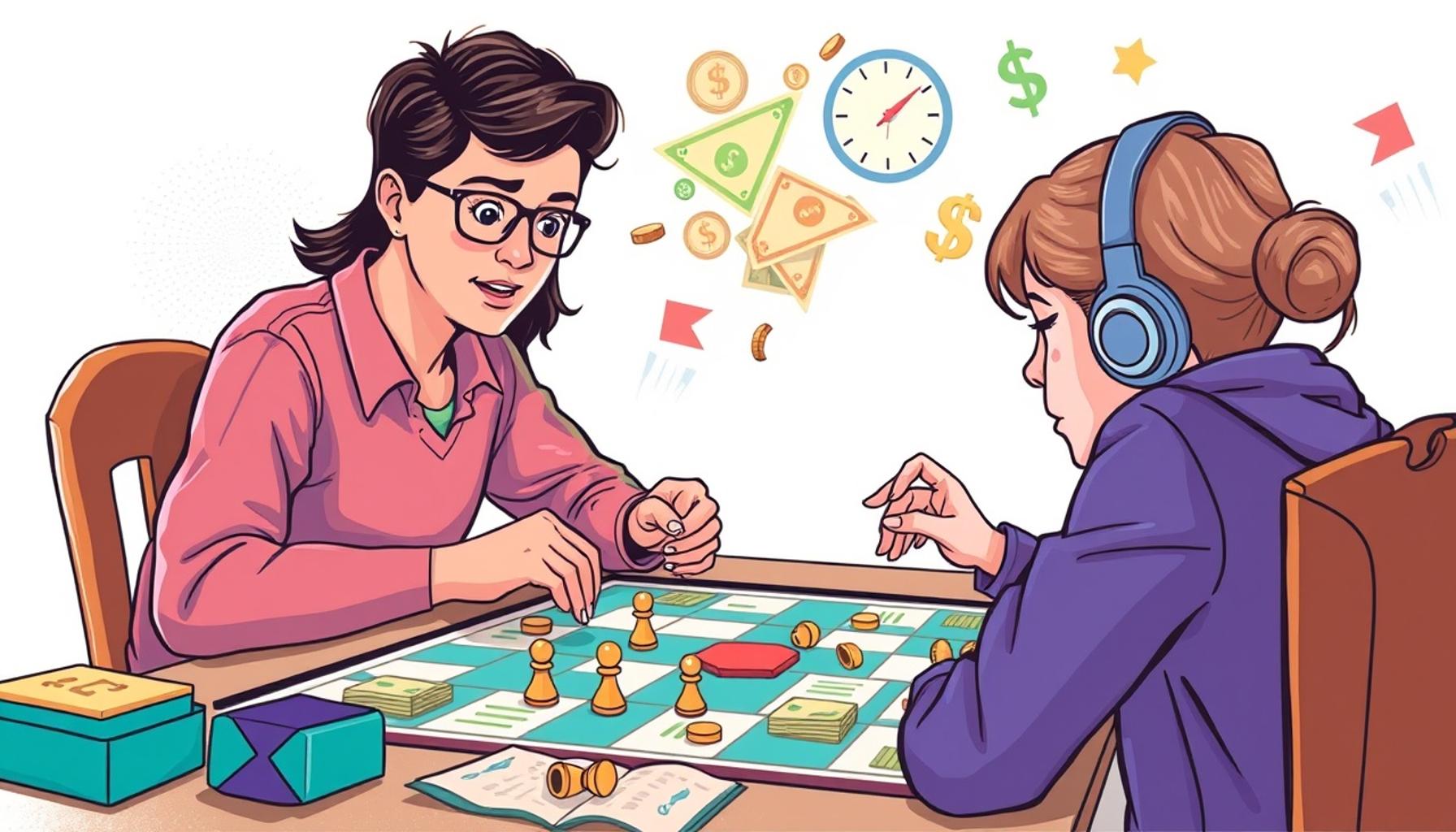
Engaging in mind games alongside family members or friends can further enhance enjoyment and cooperation. Incorporating multiplayer games like bridge, cards, or trivia encourages socialization, fostering deeper connections while exercising cognitive faculties. Such interactions can lead not only to enhanced cognitive skills but also to improved mood and reduced feelings of isolation, which are common in older adults.
Digital Mind Games: The New Frontier
With the proliferation of technology, digital mind games present an innovative avenue for cognitive development. Various apps specifically designed for brain training are accessible on smartphones and tablets catering to various skill levels and interests. Programs like Lumosity and Peak offer structured training regimens that adapt to users’ abilities, ensuring a tailored experience that evolves over time.
Moreover, many of these apps feature social elements, allowing players to compete against friends or global users, further motivating seniors to engage regularly. Recent studies published by the American Psychological Association underline that the use of technology in cognitive activities not only improves memory function but also encourages tech literacy—essential for today’s digital age.
Combining Mind Games with Other Wellness Activities
It is imperative to recognize that mind games are most effective when combined with other wellness activities that promote cognitive health. Physical exercise, for instance, has been shown to enhance brain function, particularly in aging adults. A study from the University of Illinois found that those who participated in regular light to moderate physical activity demonstrated improved cognitive performance and better mood regulation. Incorporating activities such as walking, dancing, or yoga into a daily schedule allows seniors to reap the cognitive benefits of both mental and physical exercises.
Moreover, seniors can explore combining mind games with mindfulness practices, such as meditation. Engaging in mind games immediately following a mindfulness session may enhance focus and present-moment awareness, further sharpening cognitive abilities. Research indicates that mindfulness meditation significantly improves attention, working memory, and executive function—integrating these elements can create a comprehensive cognitive enhancement strategy.
The Role of Community and Support Groups
Another essential aspect of implementing mind games into the lives of seniors is the availability of community resources. Senior centers and local organizations often provide access to group activities centered around mind games. Participating in organized groups fosters a sense of belonging while empowering aging individuals to maintain their cognitive health. The Alzheimer’s Association and local community centers frequently host cognitive workshops that highlight the effectiveness of various mind games, allowing participants to discover new games while socializing with peers.
The integration of mind games into daily life is not just a strategic choice; it symbolizes a proactive approach to cognitive well-being. With motivation and accessibility, aging adults can engage in enriching activities that promote sharp minds and emotional health for a fulfilling life experience.
DIVE DEEPER: Click here to uncover the creative process behind riddles
Conclusion: Embracing Mind Games for Thriving Aging
As we have explored throughout this article, mind games serve as vital tools for cognitive development in aging adults, offering numerous benefits that extend beyond mere entertainment. The meticulous engagement required by these games stimulates mental faculties, improves memory function, and fosters sharper reasoning skills. For many seniors, these cognitive exercises are more than a pastime; they represent a proactive strategy to combat cognitive decline and enhance overall well-being.
Incorporating mind games into daily routines stands as an accessible and enjoyable means of nurturing intelligence and emotional health. Whether through traditional games played with family and friends or innovative digital platforms tailored to individual needs, the options are diverse and adaptable. This adaptability encourages seniors to explore various avenues of mental challenge that resonate with their interests and engagement levels.
Moreover, the social aspect of playing mind games cannot be overstated. As seniors join community initiatives or partake in group activities, they create social bonds that not only nourish mental agility but also reduce feelings of isolation—a growing concern among the aging population. Engaging in shared experiences cultivates a support network that enhances emotional resilience, leading to improved quality of life.
Ultimately, embracing mind games alongside other wellness activities such as physical exercise and mindfulness can foster a holistic approach to cognitive health. The evidence gathered from numerous studies illuminates a path forward, inviting aging adults to actively pursue enriched lives. Therefore, as we usher in a new era of aging, let us prioritize the brain health of older adults through the engaging world of mind games—because a sharp mind is a key to a fulfilling life.