The Intersection of Strategic Thinking and Competitive Board Games
The Power of Strategic Thinking in Competitive Board Games
Strategic thinking is an art that transcends various domains, from business to sports. It is particularly fascinating to observe how this skill applies to competitive board games. These games not only entertain but also cultivate strategic prowess among players, making them versatile learning tools. As players engage in these thought-provoking games, they develop essential cognitive skills that can be transferred to real-life scenarios, from negotiations in the workplace to making critical decisions in everyday situations.
Key Features of Strategic Board Games
In the realm of board games, several key features stand out, each contributing to the development of strategic thinking:
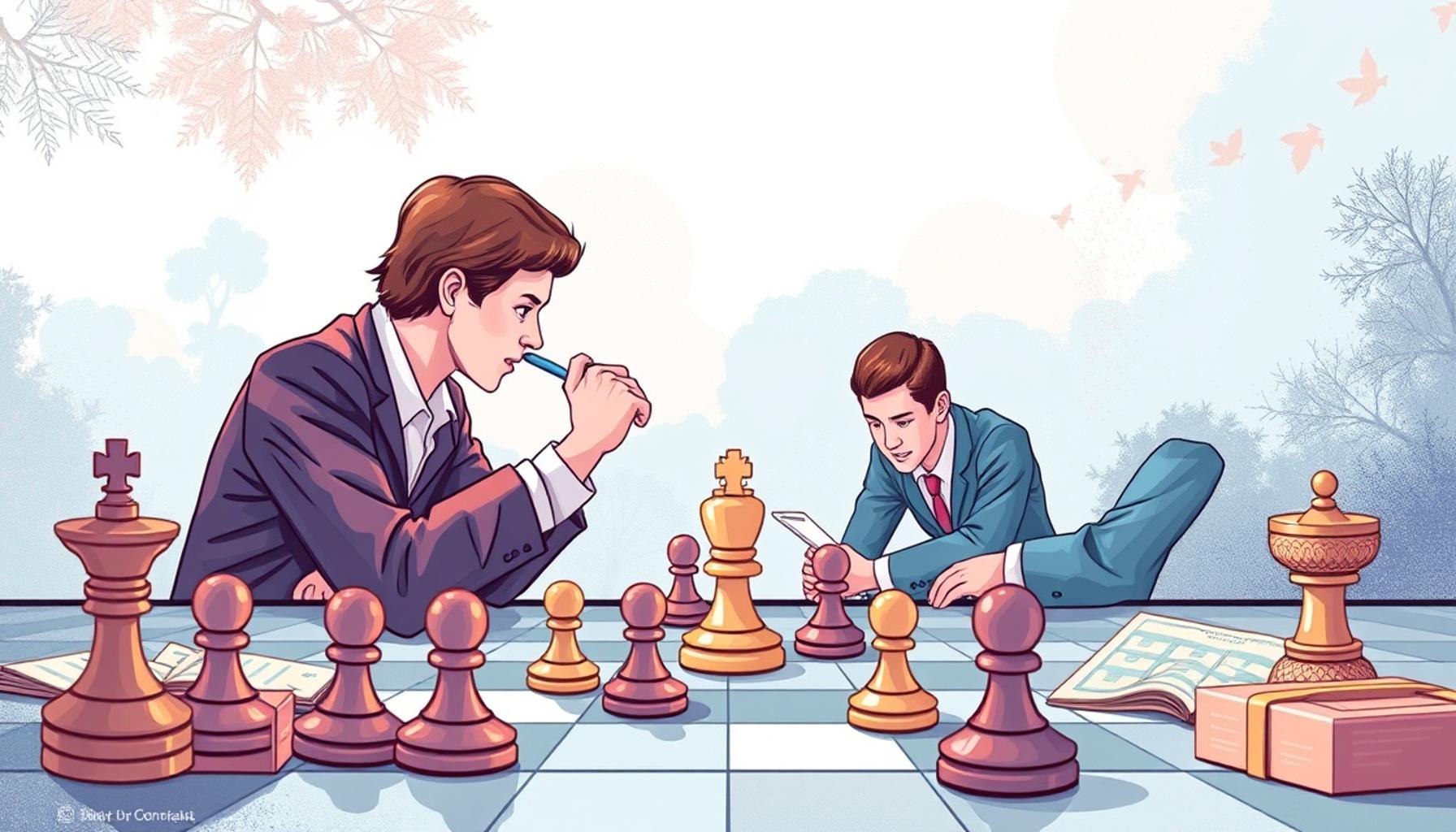
- Critical decision-making: Players must evaluate options and anticipate opponents’ moves. For example, in the game of Chess, every piece has its unique movements, and players must foresee their opponent’s strategy while plotting their own. This anticipatory aspect teaches players to think several steps ahead.
- Resource management: Many games require careful allocation of limited resources. In games like Settlers of Catan, players need to gather resources such as wood, brick, and grain, and trade them with others to build settlements. This encourages players to devise strategies that balance immediate needs with long-term goals, a skill applicable in both personal finance and business management.
- Adaptability: The ability to adjust strategies based on evolving game situations is essential. Players learn to pivot when their strategies are thwarted, enhancing their problem-solving skills. For instance, in Risk, players might start with a focus on one continent but must adapt their plans based on opponents’ moves and alliances, fostering flexible thinking.
Popular Examples of Competitive Board Games
Several popular examples of competitive board games emphasize strategic thinking:
- Chess: This timeless classic exemplifies tactical foresight. Its strategic depth has made it a beloved game for centuries, with countless books and resources dedicated to mastering its complexities.
- Settlers of Catan: Combining resource management with negotiation skills, Catan has become a modern favorite that encourages social interaction and strategic cooperation among players.
- Risk: A game of global domination that demands planning and alliance-building, Risk teaches players about strategic positioning and the intricacies of geopolitics, making it a valuable tool for understanding basic military strategy.
Insights into Human Behavior and Personal Development
Exploring the intersection of strategic thinking and competitive board games reveals deeper insights into human behavior and cognitive skills. The intellectual challenge presented by these games can significantly enhance strategic abilities, reinforcing the notion that play is a crucial aspect of learning and personal development. In a world increasingly reliant on strategic planning and critical thinking, engaging with such games offers not just a source of fun, but also a dynamic platform for growth. Moreover, with the resurgence of board game cafes and clubs in cities across the United States, more individuals have the opportunity to practice these skills while connecting with others, proving that strategic thinking is as vital in gameplay as it is in everyday life.
Ultimately, the lessons learned through competitive board games extend far beyond the game board itself, fostering a generation of players equipped with the strategic mindset necessary to navigate the complexities of modern-day challenges.
DISCOVER MORE: Click here to learn how trivia games boost your memory
Unlocking Cognitive Skills Through Gameplay
At the heart of competitive board games lies a unique ability to engage players in the process of strategic thinking. These games not only challenge participants to devise inventive strategies but also to reflect on their cognitive processes. In an increasingly complex world, where the ability to think critically and strategically is paramount, the lessons drawn from these games can be profound and far-reaching.
Analytical Skills Development
One of the core components of strategic thinking is the development of analytical skills. In competitive board games, players constantly assess the current state of play, analyze potential moves, and predict their opponents’ actions. Such analytical engagement is evident in games like Ticket to Ride, where players must evaluate the best routes to claim valuable tickets while considering the moves of their opponents. This encourages a mindset attuned to evaluating multiple variables and outcomes, adapting strategies accordingly.
Building Long-term Strategies
Many competitive board games stress the importance of planning for the future rather than focusing solely on immediate gains. In games such as Terraforming Mars, players strategically develop the planet while balancing resource consumption and environmental conditions. The success of each player depends not just on their immediate actions but also on their ability to cultivate long-term goals. This aspect teaches players the significance of foresight and the necessity of laying a strong foundation for future success, whether in a game or in personal and professional pursuits.
Social Interactions and Strategic Alliances
Another fascinating aspect of competitive board games is the emphasis on social interactions and the formation of alliances. These games often require players to negotiate, collaborate, and sometimes betray one another, mirroring real-world scenarios where strategic partnerships can shift the balance of power. In games like Cosmic Encounter, players engage in negotiation and alliance-building, learning to gauge trust and anticipate the actions of their fellow competitors. Such interactions foster empathy and emotional intelligence, essential components of successful strategic thinking in any environment.
Cognitive Challenges and Problem-Solving
Engaging with competitive board games also stimulates cognitive challenges that require players to solve complex problems. Games designed with intricate rules and varying victory conditions—such as 7 Wonders—prompt players to think outside the box. The necessity of evaluating myriad choices under time constraints encourages quick yet thorough decision-making, honing a player’s ability to assess risks and rewards rapidly. This cognitive gymnastic is invaluable, directly applying to everyday situations where individuals must make rapid decisions with limited information.
The appeal of competitive board games lies not just in their entertainment value, but also in their capacity to prepare players for real-life scenarios. As individuals explore the intersection of strategic thinking and interactive play, they discover a multifaceted approach to developing critical skills that transcend the game board and into their professional and personal lives. With each turn and each decision, players are not merely playing a game; they are sharpening their minds and preparing for the complexities of real-world challenges.
| Advantages | Relevance to Strategic Thinking |
|---|---|
| Enhances Decision-Making Skills | Players must analyze multiple scenarios and choose optimal strategies, promoting critical thinking. |
| Encourages Collaborative Problem-Solving | Team-based board games facilitate dynamic discussions that enhance group strategy formulation. |
| Fosters Competitive Spirit | Competitive scenarios stimulate players to push their limits, mirroring real-world challenges. |
In the realm of strategic thinking, competitive board games serve as a fertile ground for cultivating essential skills. These games not only offer entertainment but also act as a training ground for participants, enhancing their cognitive abilities in ways that extend beyond the game itself. For instance, engaging in gameplay can dramatically improve a player’s capacity for quick, effective decision-making under pressure. Players learn to evaluate risks, weigh potential outcomes, and make choices that affect not just their fate, but also that of their opponents. This mirrors the dynamic decision-making processes prevalent in various business contexts.Moreover, the collaborative aspects of many board games can’t be understated. They foster an environment where teamwork is crucial, compelling individuals to work together to solve intricate problems. This collaboration often leads to improved communication skills, essential for anyone looking to succeed in today’s interconnected business landscape.Additionally, the competitive atmosphere inherent in these games serves to ignite a player’s drive. Competition encourages participants to dig deep, analyze their strategies, and adapt to unexpected challenges, reflecting the unpredictability often found in real-life situations.With such multifaceted benefits, the intersection of strategic thinking and board gaming presents an intriguing area ripe for exploration, paving the way for new insights into both educational and professional realms.
DISCOVER MORE: Click here to delve into the benefits of card games
Enhancing Decision-Making Skills Through Play
Aside from analytical skills and social dynamics, competitive board games serve as a gateway to enhancing decision-making skills. These games often present players with multiple options, each with its own risks and rewards, pushing them to weigh different scenarios carefully. This model mirrors many real-life situations where decisions can lead to varied outcomes, emphasizing the importance of evaluating choices before taking action.
Risk Assessment and Mitigation
As players navigate through competitive board games, they inevitably encounter the concept of risk assessment. Games like Risk or Settlers of Catan require players to evaluate potential risks in pursuing specific strategies while weighing the potential rewards. Players learn to identify which routes can lead to success but also realize that overextending or misallocating resources can lead to disastrous results. This continuous balancing act cultivates a mindset inclined towards assessing not just the immediate outcomes but also the long-term implications of their decisions.
Adaptability and Flexibility
Another crucial skill refined through the lens of competitive board games is adaptability. In many games, the state of play can shift dramatically due to a single move by an opponent or an unforeseen event, necessitating quick adjustments to one’s strategy. Board games like Carcassonne and Azul encourage players to adapt their approaches in response to changing circumstances, promoting a willingness to change tactics rather than staying rigidly aligned to a previously devised plan. This adaptability is vital not only in gameplay but also in navigating the often unpredictable nature of personal and professional life.
Strategic Risk-Taking
Competitors in board games frequently face the challenge of knowing when to take calculated risks. In games like Pandemic, players must collectively decide on bold action to stop the outbreak, evaluating the repercussions of their choices. This instills a sense of discernment regarding risk-taking, teaching players how to weigh their current standing against potential future benefits. Such lessons translate well into the professional arena, where strategic risks often lead to breakthroughs or advancements.
Embracing Feedback and Learning from Mistakes
Another integral component of strategic thinking encouraged by competitive board games is the willingness to receive feedback and learn from failures. Games like Chess or Magic: The Gathering provide players with immediate feedback through the game’s outcomes, making it vital for opponents to analyze where strategies fell short. This emphasis on post-game reflection serves as a reminder of the importance of learning from mistakes—an essential trait that aids individuals in correcting strategies and improving their decision-making approach in future scenarios.
Ultimately, the interactive and immersive nature of competitive board games cultivates a rich environment for developing essential skills. As players immerse themselves in complex strategies, assess risk, and learn from each engagement, they pave the way toward enhanced strategic thinking capabilities that are applicable both on and off the board. With each play session, players are not merely competing for victory; they are honing vital life skills that will serve them well in various aspects of their lives.
DISCOVER MORE: Click here to learn about cognitive benefits of crosswords
The Broader Implications of Board Games on Strategic Thinking
In conclusion, the fusion of strategic thinking and competitive board games offers a profound insight into decision-making processes that extend far beyond the confines of the game board. While players engage in these immersive experiences, they cultivate a rich skill set that includes risk assessment, adaptability, and strategic risk-taking—all of which possess powerful real-world applications. The games enable participants to grapple with uncertainty, fostering a mindset that is crucial in both personal and professional environments.
Moreover, the ability to embrace feedback and learn from mistakes becomes an invaluable lesson, revealing that success is often built on a foundation of resilience and reflection. As players experience triumphs and defeats, they learn not only the significance of crafting a winning strategy but also the importance of dynamic thinking when confronting unexpected challenges in life. This iterative cycle of learning and applying lessons learned fosters a culture of continuous growth and improvement.
As board games continue to evolve, their role as a platform for enhancing critical thinking and strategic insight cannot be understated. They serve as a microcosm of real-world dynamics, offering players the chance to experiment, adapt, and strategize in a risk-controlled environment. Enthusiasts and professionals alike can leverage these skills to navigate complex landscapes in business or day-to-day life with greater confidence and poise. Ultimately, the intersection of strategic thinking and competitive board games becomes a fertile ground for personal development, inviting all to explore the endless possibilities that arise from thoughtful play.